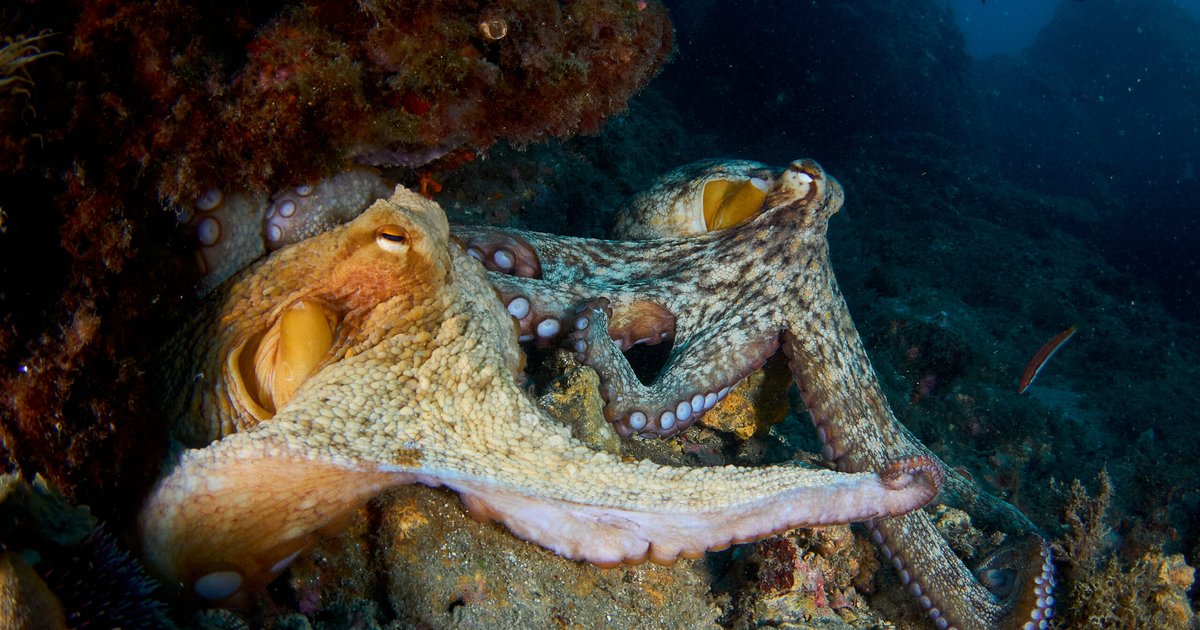
Researchers from Harvard University have revealed that male octopus reproductive arms can detect female hormones, reflecting the complexity of relationships among these marine creatures. This discovery highlights how octopuses interact with their environment and communicate with one another.
Octopuses are considered intelligent marine creatures, and previous studies have shown they possess exceptional learning and adaptation abilities. However, this new discovery adds another dimension to understanding their reproductive behavior and how they interact with females.
Details of the Discovery
The research indicates that male octopus reproductive arms are not merely tools for mating; they also play a role in sensing hormonal changes in females. This ability may enhance the chances of successful mating, as males can determine the optimal time for mating based on the hormone levels released by females.
These findings are intriguing, as they pave the way for further studies on how hormones influence the behaviors of marine organisms. Additionally, these discoveries could aid in understanding how these creatures have evolved over time.
Background & Context
Historically, octopuses have been regarded as mysterious marine creatures, distinguished by their ability to adapt to various environments. In recent years, research into their social and reproductive behaviors has increased, contributing to a broader understanding of these organisms.
Octopuses are a vital part of the marine ecosystem, playing a role in the food chain. Understanding their behaviors can help maintain ecological balance, especially in light of climate change affecting the oceans.
Impact & Consequences
These discoveries could influence how we understand environmental interactions among marine organisms. If octopus reproductive arms play a role in sensing hormones, this may affect how different species interact with one another.
Moreover, these results may contribute to developing new strategies for conserving octopuses and their habitats, helping to protect these creatures from environmental threats.
Regional Significance
Octopuses are part of the maritime heritage in many Arab countries, where they are used in cooking and culture. Understanding their behaviors can help enhance marine tourism and preserve biodiversity in the region.
Furthermore, promoting research on marine organisms can contribute to developing sustainable fishing strategies, benefiting coastal communities.
New discoveries about octopuses open new horizons for understanding the behaviors of these marine creatures, emphasizing the importance of scientific research in protecting the marine environment.