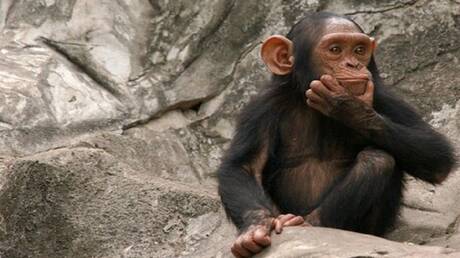
Archaeologists in the Qattara Depression, Egypt, have revealed remains of a creature known as Masripithecus, one of the oldest higher primates that lived in northern Egypt during the Miocene epoch, which spanned from 23 to 5 million years ago. It is believed that this creature existed around 17 to 18 million years ago, adding a new chapter to the history of primate evolution.
These discoveries are extremely significant as they contribute to expanding our understanding of the history of life on Earth, particularly in the North African region. This finding illustrates what life was like millions of years ago and how living organisms evolved over time.
Details of the Discovery
The remains of Masripithecus were found in a fossil-rich site in the Qattara Depression, an area known for its biological diversity in ancient times. It is believed that this creature lived in a plant-rich environment, which helped it survive and adapt to its surroundings. This discovery showcases the ecological systems of that period and how they influenced the evolution of various species.
Masripithecus is considered part of the family of higher primates, which also includes humans and monkeys. This finding highlights the importance of the region as a key site for studying primate evolution and enhances Egypt's status as a center for scientific research in this field.
Background & Context
Historically, the North African region has been rich in fossils dating back to prehistoric times. Previous discoveries have contributed to understanding how life evolved on Earth and how species migrated from one place to another. Masripithecus is part of a long series of discoveries from earlier epochs, helping scientists to paint a clearer picture of the history of life.
There are many archaeological sites in Egypt that contain remains of ancient creatures, making it one of the most important areas in the world for studying the evolution of life. This recent discovery reinforces the importance of scientific research in the region and encourages further explorations.
Impact & Consequences
This discovery could have a significant impact on our understanding of primate evolution, potentially leading to a reevaluation of some current theories regarding how species evolved. It may also contribute to enhancing scientific tourism in Egypt, as visitors and researchers from around the world can visit archaeological sites and learn about the history of ancient life.
Moreover, this discovery underscores the importance of preserving archaeological and natural sites in Egypt, as these locations represent a part of the country's cultural and environmental heritage. Increased awareness of the significance of these sites could lead to greater efforts to preserve and protect them from potential threats.
Regional Significance
This discovery represents an important step in enhancing Egypt's status in the field of scientific research across the Arab region. It demonstrates how archaeological studies can contribute to a deeper understanding of human history and evolution. This finding may also encourage other Arab countries to invest in scientific research and archaeological discoveries.
Additionally, this discovery could strengthen cooperation among Arab countries in the fields of scientific research, leading to knowledge and experience sharing. Such collaboration is essential to address the scientific and cultural challenges facing the region.
In conclusion, the discovery of Masripithecus remains in the Qattara Depression, Egypt, is a significant scientific achievement that opens new horizons for understanding the history of life on Earth. This discovery reflects the ongoing efforts of scientists to explore the past and emphasizes the importance of scientific research in the region.