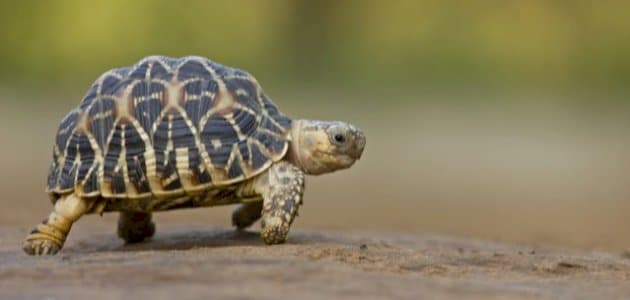
Jonathan the tortoise, residing on Saint Helena Island, is recognized as the oldest living creature on Earth, having lived since 1882. This tortoise has sparked curiosity about the secret to its long life, especially after rumors of its death circulated in April, which the island's government quickly denied.
Scientific studies indicate that Jonathan's longevity is not merely coincidental but rather a result of complex biological and environmental factors. Researchers from the University of Southern Denmark conducted a comprehensive study on 52 species of land tortoises, revealing that approximately 75% of these species experience slow aging, meaning the risk of death does not significantly increase with age.
Biological and Environmental Factors Affecting Longevity
The study suggests that increased body weight is associated with a higher average lifespan, explaining the differences in longevity between males and females. Researchers also discovered that tortoises possess a unique ability to reduce their aging rate in safe environmental conditions, indicating that these factors play a crucial role in enhancing their lifespan.
Ongoing research in this field aims to provide further understanding of how these factors influence the health and longevity of tortoises.
Background & Context
Tortoises have intrigued scientists for decades, shedding light on how they adapt to their diverse environments. The longevity of species like Jonathan raises questions about the biological mechanisms that allow such extended lifespans.
Understanding these mechanisms could lead to insights not only into tortoise biology but also into broader biological aging processes.
Impact & Consequences
These discoveries open new avenues for understanding aging in living organisms and may influence research related to health and longevity in humans as well. The implications of such research could extend to improving human health and lifespan.
As scientists continue to explore the secrets of longevity in tortoises, the potential applications of this knowledge could be transformative.
Regional Significance
Jonathan's story is not just about a single tortoise; it reflects the unique biodiversity of Saint Helena Island and the importance of conservation efforts. Protecting such species is crucial for maintaining ecological balance and understanding evolutionary processes.
In conclusion, the studies surrounding Jonathan the tortoise highlight the intricate relationship between biology, environment, and longevity, offering valuable lessons that could benefit both tortoises and humans alike.