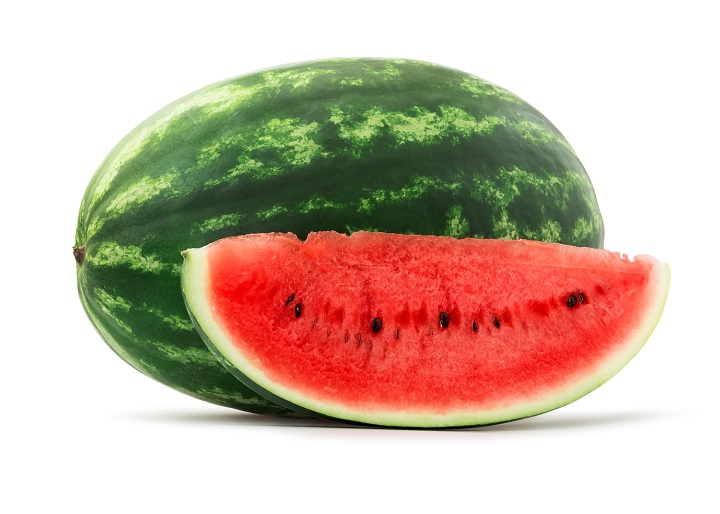
Despite the prevailing belief that watermelon seeds may be harmful to health, recent studies prove that they contain a range of important nutrients. These seeds are not mere waste; they are a nutritional treasure that contributes to overall health.
Watermelon seeds are high in magnesium, which plays a vital role in many bodily functions, including blood pressure regulation and heart health support. They are also rich in iron, an essential element in hemoglobin production, which helps transport oxygen to the body's cells.
Event Details
Research shows that watermelon seeds also contain calcium, which is crucial for bone and dental health. Additionally, these seeds are packed with antioxidants that combat free radicals, reducing the risk of many chronic diseases.
Watermelon seeds are a good source of protein, containing a high percentage of essential amino acids. Incorporating these seeds into the diet can be an effective way to enhance overall health, especially for those following vegetarian diets.
Background & Context
Historically, watermelon seeds have been used in many cultures as a healthy food source. In some countries, these seeds are considered part of the culinary heritage, used in traditional dishes. However, awareness of their health benefits remains limited in many communities.
In recent years, many nutrition experts have begun to highlight the importance of watermelon seeds, suggesting they can serve as a healthy alternative to traditional snacks. It is recommended to consume them roasted or added to salads and various dishes.
Impact & Consequences
Raising awareness of the benefits of watermelon seeds can lead to positive changes in individuals' diets. With the growing interest in health and nutrition, these seeds could become a popular choice among people, contributing to their overall health improvement.
Moreover, increasing demand for watermelon seeds could support local farmers and boost the agricultural economy in regions where this fruit is cultivated.
Regional Significance
In the Arab region, watermelon seeds are considered part of the culinary heritage; however, the general understanding of their benefits remains weak. Promoting awareness of their advantages could enhance public health and reduce chronic disease rates.
By encouraging the consumption of watermelon seeds, Arab countries can contribute to dietary diversity and improve the quality of life for their citizens. These seeds could also provide a new source of income for farmers, thereby boosting the local economy.
In conclusion, watermelon seeds are not just waste; they are a rich source of nutrients that can enhance overall health. It is essential to reconsider these seeds and promote their consumption as part of a healthy and balanced diet.