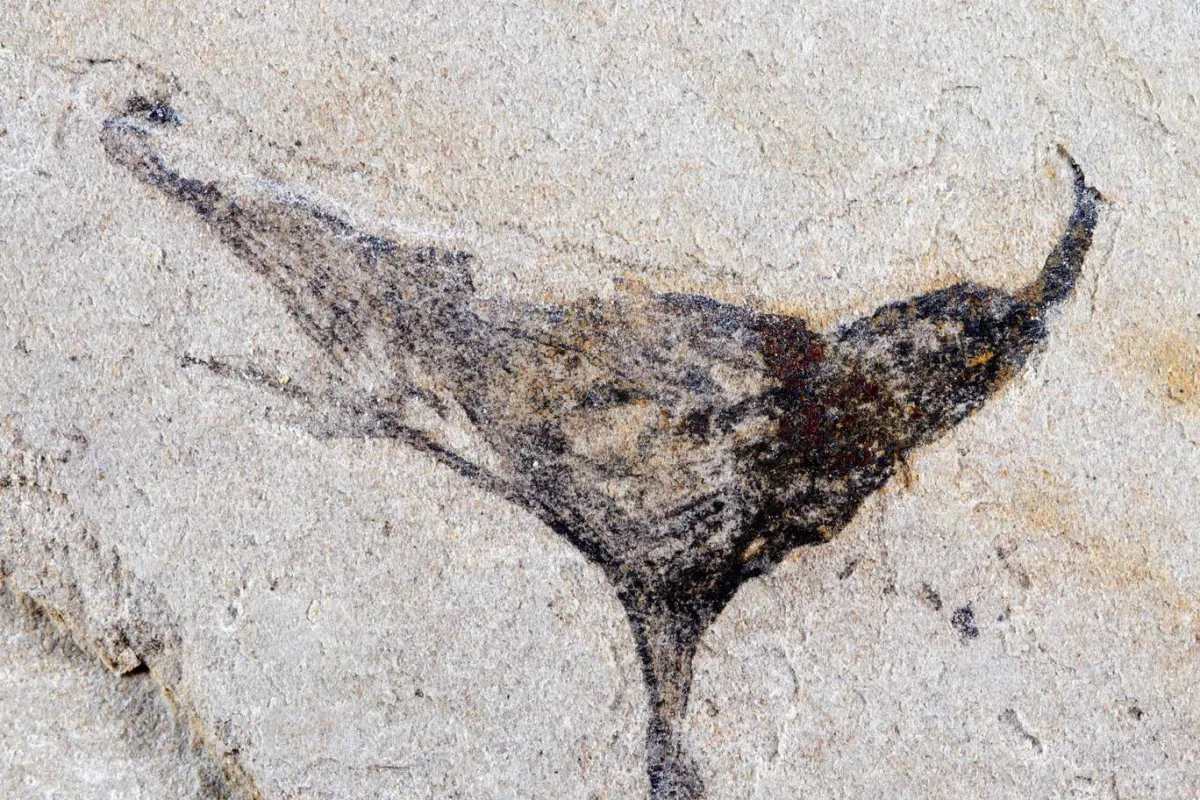
Scientists in China have discovered more than 700 fossils dating back approximately 539 million years, highlighting a crucial phase in the evolution of life on Earth. This pioneering discovery offers a new understanding of the transition from primitive life forms to the complex organisms that would later dominate the environment.
Reports indicate that these fossils, found in Yunnan Province in southwestern China, date back to the end of the Ediacaran period, which was characterized by the presence of simple and bizarre animals living in two-dimensional marine environments. However, recent studies reveal that many of these fossils represent remnants of more advanced organisms capable of movement in water and feeding.
Details of the Discovery
According to a study published in the journal Science, the discovered organisms lived a three-dimensional life, suggesting that the evolutionary leap previously thought to have occurred 4 million years later actually took place much earlier. This discovery reshapes the prevailing understanding of life's evolution, as it was believed that complex organisms emerged during the Cambrian period.
Paleontologist Frankie Dunn from the Natural History Museum at the University of Oxford noted that this discovery represents a new window into understanding how the modern biosphere was formed. Life transitioned from a two-dimensional world to a vast diversity of living organisms in a short time, significantly impacting the biogeochemical cycles on Earth.
Background & Context
Historically, the Ediacaran period is considered an important transitional phase in the history of life on Earth, witnessing the emergence of the first living organisms. However, new discoveries indicate that these organisms were more complex than previously thought, opening new avenues for understanding life's evolution.
These fossils serve as evidence that life was more diverse and complex during that period than previously believed, reshaping the scientific understanding of how living organisms evolved over the ages.
Impact & Consequences
This discovery could influence many fields of scientific research, including paleobiology and evolutionary biology. It also opens the door for further studies on how environmental changes affect the evolution of living organisms.
The changes that occurred during that period may reflect how current climate changes could impact life on Earth, making this discovery particularly significant in light of the environmental challenges we face today.
Regional Significance
For Arab countries, understanding the evolution of life on Earth could contribute to enhancing scientific research in fields such as paleobiology and environmental science. This discovery may also encourage more scientific collaboration between Arab nations and other countries in the field of environmental research.
In conclusion, this discovery represents an important step towards a deeper understanding of the history of life on our planet and reflects the significance of scientific research in exploring the mysteries of the past.