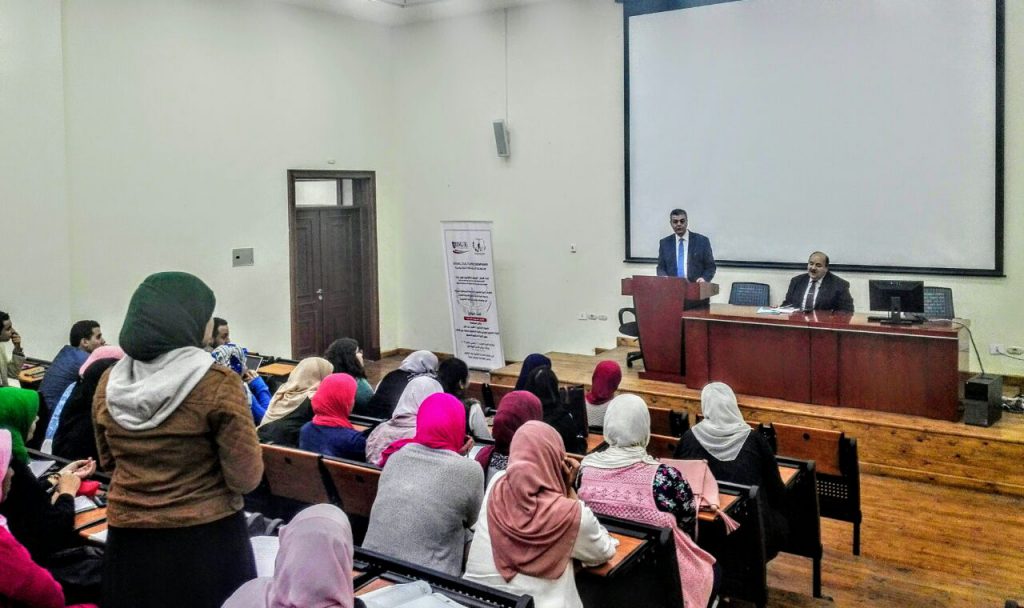
The parliamentary legal committee in the House of Representatives discussed amendments to the civil status law, which aims to update and develop procedures related to the civil registry. The project comes as part of the government's efforts to improve services provided to citizens and facilitate administrative procedures.
The proposed amendments in the draft law include improving the mechanism for registering civil events such as marriage, divorce, births, and deaths, in addition to expediting the procedures for issuing official documents. The project also seeks to enhance the protection of citizens' personal data and ensure its confidentiality.
Details of the Discussion
During the meeting, committee members provided their feedback on the provisions of the project, highlighting the importance of the proposed amendments in facilitating citizens' lives. The discussion also addressed the necessity of providing the required human and technical resources to implement these amendments effectively.
Moreover, the importance of coordination among various relevant government entities was emphasized to ensure the law is applied comprehensively. In this context, some members expressed concerns about potential delays in implementing the project due to a lack of resources or insufficient coordination among agencies.
Background & Context
This discussion comes at a time when many Arab countries are witnessing updates to their civil status laws, as governments seek to improve public services and facilitate procedures for citizens. The civil registry is one of the most important tools used by governments to document citizens' personal information, making it a central element in any administrative system.
Historically, there have been numerous challenges facing civil registries in the region, including a lack of accurate data and ongoing updates. Therefore, any amendments to the laws related to civil status are considered a positive step towards improving the administrative system.
Impact & Consequences
If the draft law is approved, it is expected to contribute to improving the level of services provided to citizens, thereby enhancing trust in government institutions. Additionally, improving civil registry procedures may lead to a reduction in administrative corruption, as processes will become more transparent and easier.
Furthermore, this project could have a positive impact on foreign investment, as the existence of an effective and reliable administrative system enhances the country's attractiveness for external investments.
Regional Significance
Updates to civil status laws are part of broader efforts to improve public services in Arab countries. Many countries face similar challenges in this area, making it essential to exchange experiences and successful practices.
The success of the draft law in one country may encourage other countries to take similar steps, potentially leading to a comprehensive improvement in the level of public services in the region.
In conclusion, the amended civil status law represents an important step towards improving the administrative system and providing better services to citizens. Successfully implementing this project could help strengthen trust between the government and citizens and reflect the government's commitment to developing public services.