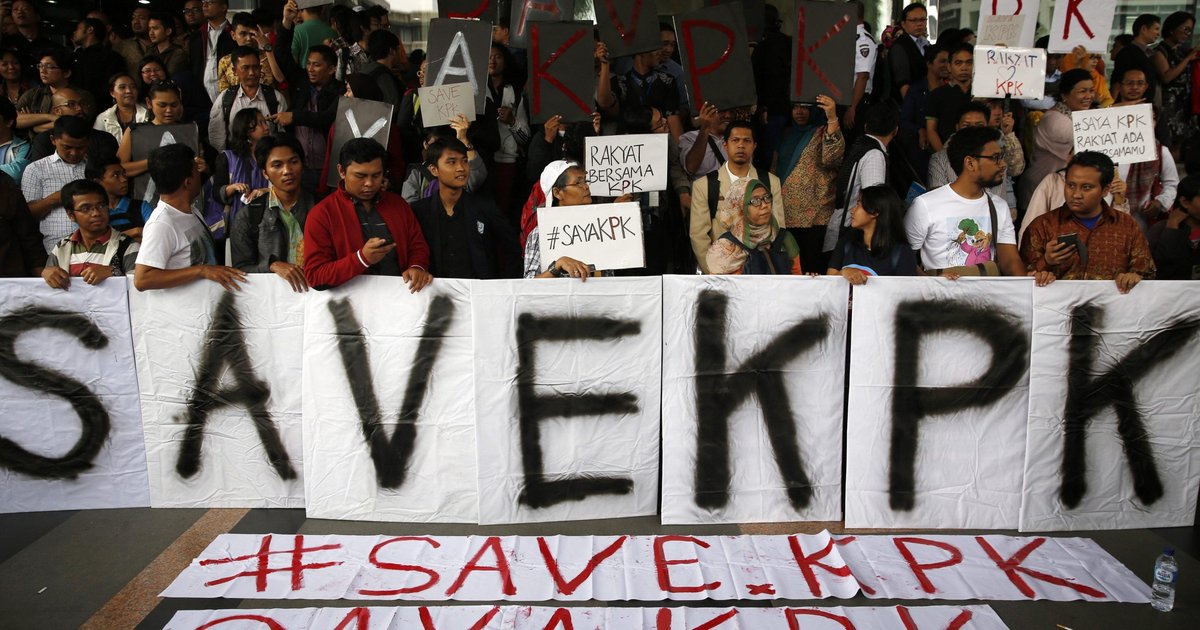
In a move reflecting ongoing efforts to combat corruption in Indonesia, the Vice Chairman of the Anti-Corruption Commission, Asib Guntur Rahayu, met with Tisa Maharika Sugiyarto, the Director of Investigations at the commission, along with senior officials from the Indonesian police at the National Police Headquarters. The meeting, held on Thursday in Jakarta, aimed to discuss how to address several corruption-related issues.
Asib noted that there are numerous cases being communicated about, but he was unable to provide precise details to the public, as investigations are still in their early stages. He explained that this step is part of the coordination between various institutions involved in combating corruption, including the police and the public prosecutor's office.
Event Details
During the meeting, Asib emphasized the importance of cooperation between the Anti-Corruption Commission and the police, pointing out that corruption cases cannot be addressed by a single institution alone. He clarified that coordination between KPK, the police, and the public prosecutor's office, along with support from other relevant parties, is essential to ensure effective anti-corruption efforts.
For his part, Totok Suharyanto, head of the police's anti-corruption division, confirmed that the meeting aims to enhance coordination and cooperation between the police and the Anti-Corruption Commission, contributing to improved effectiveness in handling the issues at hand.
Background & Context
Indonesia is considered one of the countries facing significant challenges in combating corruption, with rising concerns about the spread of corruption within government institutions. Reports have shown that corruption negatively impacts economic and social development in the country, necessitating strict measures to combat it.
The Indonesian Anti-Corruption Commission was established in 2002, and since then, it has conducted numerous campaigns and operations to fight corruption, but it faces major challenges, including political pressures and corruption within government institutions themselves.
Impact & Consequences
These meetings are seen as a positive step towards strengthening efforts to combat corruption in Indonesia. Coordination among various entities can enhance the effectiveness of investigations and bring those responsible for corruption to justice. Additionally, these efforts may bolster public trust in government institutions.
However, the greatest challenge remains how to implement these strategies effectively and overcome obstacles that may hinder anti-corruption efforts, including political pressures and personal interests.
Regional Significance
Many Arab countries share similar challenges with Indonesia in combating corruption, as it is one of the most pressing issues affecting development and stability in the region. Cooperation among countries in the field of anti-corruption can facilitate the exchange of experiences and strengthen joint efforts to tackle this phenomenon.
Ultimately, there is hope that these meetings and coordinations will lead to tangible results in the fight against corruption, benefiting society as a whole.