Indonesian President Joko Widodo convened a meeting with several ministers on Monday (April 6) to discuss the development of new residential areas along railway lines, aiming to improve the use of government land for the benefit of citizens. This meeting occurs at a sensitive time as the country faces geopolitical developments impacting security and stability.
The meeting also addressed the president's directive to enhance the utilization of public assets, including those belonging to state-owned railway companies, which have not been fully utilized thus far. This approach aims to promote community welfare and provide adequate housing for citizens.
Event Details
In this context, Amelia Angraini, a member of the Indonesian House of Representatives, highlighted the importance of measures taken by Indonesian Army Commander Agus Subiyanto, which include protecting soldiers in Lebanon through precautionary measures such as seeking shelter. These steps are deemed essential to counter potential escalation in regional conflicts and ensure the safety of the troops.
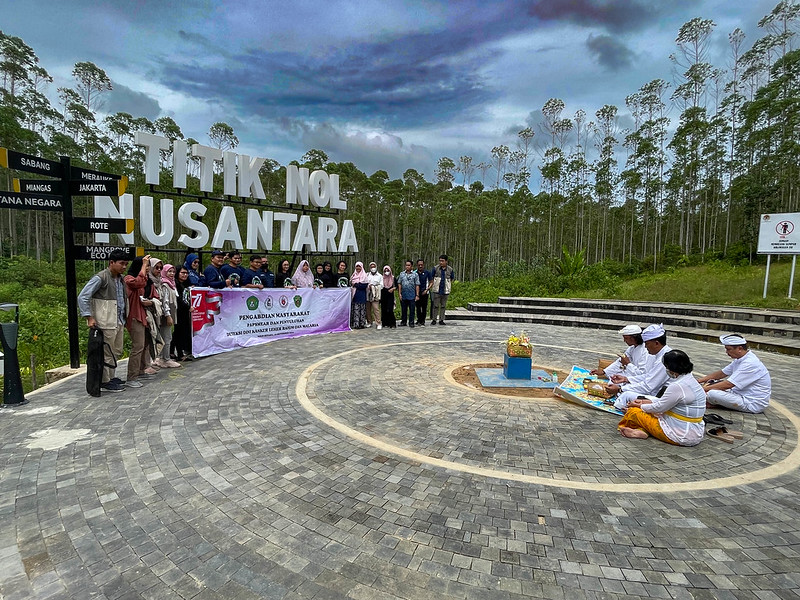
Basuki Hadimuljono, head of the new capital authority, noted that around 50 employees from the Vice President's office have begun working in Nusantara, marking a significant step towards initiating government operations in the area. This development reflects the government's commitment to activate the new capital as an administrative and economic center.
Background & Context
Nusantara is Indonesia's new capital, an ambitious project aimed at relocating the capital from congested and polluted Jakarta to a more sustainable area. This project was announced in 2019 and reflects the Indonesian government's vision to improve quality of life and distribute development more equitably across the country.
Despite the significant challenges the government faces in implementing this project, including financing and infrastructure, there is optimism that Nusantara will become a model for sustainable development in the region.
Impact & Consequences
The development of new residential areas and the enhancement of government operations in Nusantara could have positive effects on the Indonesian economy. This project is expected to create new job opportunities and stimulate economic growth, thereby helping to improve the living standards of citizens.
Moreover, improving the utilization of public assets can contribute to enhancing transparency and efficiency in managing government resources, which in turn boosts citizens' trust in the government.
Regional Significance
These developments in Indonesia are particularly significant for Arab countries, as they can serve as a model in the fields of sustainable development and urban management. Additionally, cooperation between Indonesia and Arab nations in investment and development areas could open new avenues for economic collaboration.
In conclusion, the steps taken by the Indonesian government towards developing Nusantara and providing suitable housing for citizens represent important efforts towards achieving sustainable development, contributing to enhanced stability and prosperity in the country.