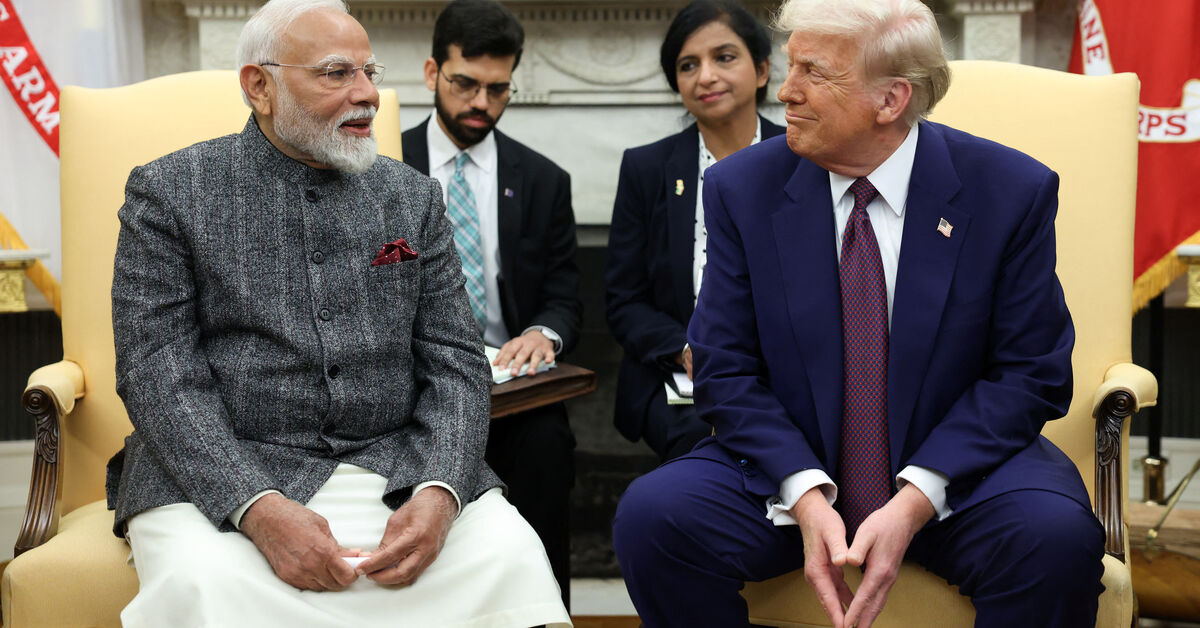
In a phone call held on Tuesday, Indian Prime Minister Narendra Modi and U.S. President Donald Trump emphasized the importance of keeping the Strait of Hormuz open, which is considered one of the most critical waterways in the world. This discussion comes at a sensitive time when the Middle East is experiencing increasing tensions, raising concerns about maritime security.
U.S. Ambassador to India, Sergio Gor, noted that the conversation also addressed recent developments in the region, where the Strait of Hormuz serves as a vital point for oil and natural gas transportation, with a large number of commercial vessels passing through it daily.
Details of the Conversation
This conversation is part of ongoing efforts between the United States and India to enhance cooperation in maritime security and energy sectors. Both Modi and Trump expressed their concerns regarding any threats that could impact navigation in the strait, especially amid rising tensions between Iran and the United States.
The Strait of Hormuz is a crucial passageway, through which approximately 20% of the world's total oil exports flow. Therefore, any closure or threat to this passage could lead to a spike in oil prices and negative repercussions on the global economy.
Background & Context
Historically, the Strait of Hormuz has witnessed numerous crises, from the Gulf War in the 1990s to the current tensions between Iran and Western nations. In recent years, Iran has increased its military activities in the region, raising international concerns regarding navigation safety.
The United States aims to bolster its military presence in the region to ensure safe navigation, while India seeks to secure its energy supplies, making cooperation between the two countries in this area essential.
Impact & Consequences
The implications of this conversation extend beyond bilateral relations between India and the United States, affecting regional and global stability. Any escalation of tensions in the Strait of Hormuz could lead to increased oil prices, impacting global economies, particularly those heavily reliant on oil.
Moreover, maintaining safe navigation in the strait is vital for many countries, including Arab nations that depend on oil exports through this passage. Thus, cooperation between major powers like the United States and India is a significant step toward ensuring regional stability.
Regional Significance
Given the importance of the Strait of Hormuz to Arab countries, any threats to this passage would directly impact the economies of these nations. Many Gulf countries rely on oil exports through the strait, making them vulnerable to the effects of any tensions.
Furthermore, cooperation between the United States and India could open new avenues for Arab countries in maritime security, as these relationships may contribute to enhancing stability in the region.
The significance of the Strait of Hormuz remains a central theme in global politics, as concerns about navigation safety continue to rise. The talks between Modi and Trump reflect an increasing awareness of the importance of international cooperation to ensure the safety of this vital passage.