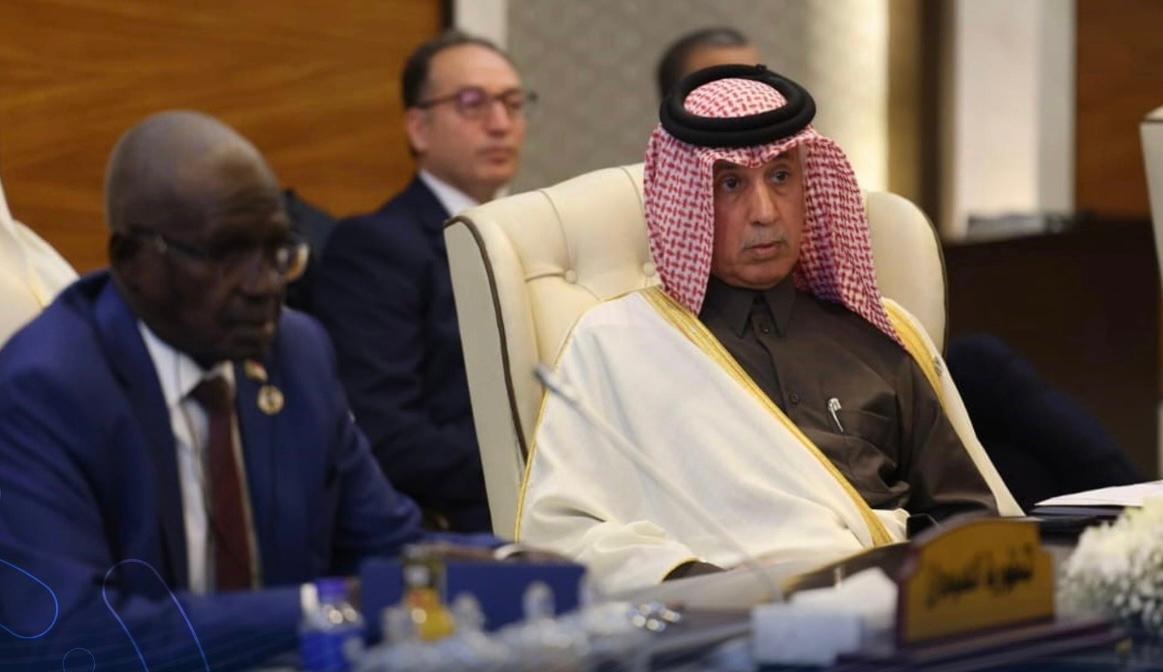
Qatar's Prime Minister and Minister of Foreign Affairs, Sheikh Mohammed bin Abdulrahman Al Thani, received a phone call from Pakistan's Deputy Prime Minister and Foreign Minister Mohammad Ishaq Dar, during which they discussed the deteriorating conditions in the region amid escalating tensions resulting from the American-Israeli war against Iran.
During the call, Sheikh Mohammed bin Abdulrahman Al Thani stressed the importance of stopping the unjustified Iranian aggressions against Qatar and other regional countries, warning of the risks that may arise from the irresponsible targeting of vital infrastructure, particularly those related to water, food, and energy facilities.
Details of the Discussion
In the context of the call, both sides reviewed the developments of military escalation in the region and the serious implications it has on regional and international security and stability. The Qatari Ministry of Foreign Affairs stated in a post on X platform that the discussions addressed ways to resolve all disputes through peaceful means, emphasizing the necessity of enhancing coordination among the concerned countries.
The Qatari Prime Minister also underscored the importance of returning to the dialogue table, prioritizing rationality and wisdom in addressing crises, ensuring global energy security, freedom of navigation, environmental safety, and regional stability.
Background & Context
This discussion comes at a sensitive time when the region is witnessing heightened military tensions, particularly with the escalation of American and Israeli military operations against Iran. These tensions have directly affected Gulf states, necessitating intensified diplomatic efforts to resolve conflicts.
Historically, relations between Iran and Gulf states have been marked by recurring tensions, as Iran is seen as a country seeking to enhance its influence in the region, raising concerns among neighboring countries. These tensions have led to repeated calls from Gulf states to stop any aggressions that could impact their security and stability.
Impact & Consequences
The continuation of Iranian aggressions could exacerbate security conditions in the region, potentially negatively impacting the global economy, especially in energy sectors. Moreover, military escalation may threaten the safety of navigation in vital maritime corridors, increasing shipping and transportation costs.
Furthermore, the psychological and social impact on the region's populations could be profound, as fears of armed conflicts may lead to mass displacement and destruction of infrastructure.
Regional Significance
Under these circumstances, Arab countries must enhance cooperation among themselves to face security challenges. Dialogue and coordination among Arab states can contribute to building effective strategies to address external threats.
In conclusion, the call between Qatar and Pakistan represents an important step toward strengthening regional cooperation in addressing common challenges and reflects the importance of dialogue as a means to resolve disputes and achieve stability in the region.