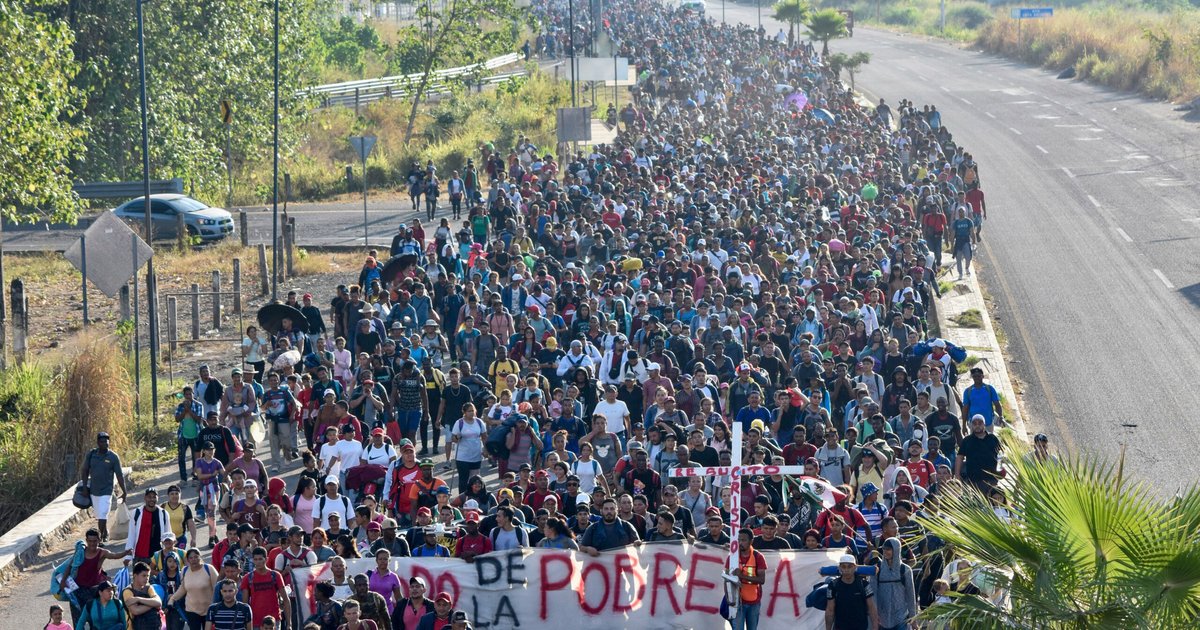
The Indonesian Parliament's Migration Committee (DPR) convened a meeting with the Minister of Migration and Criminal Reforms, Agus Andrianto, to discuss the policies and procedures necessary to tackle the challenges posed by global crises, especially the conflicts in the Middle East. The meeting, held at the Parliament complex in Jakarta, comes at a time when the region is experiencing increasing tensions affecting migration flows.
The committee chairman, Willy Aditya, emphasized that the meeting aims to gain insights and strategies from the Ministry of Migration on how to handle the current situation. He noted that the world is going through a difficult phase, necessitating precautionary measures to address potential negative impacts.
Event Details
The meeting focused on the movement of people in and out of Indonesia, where Willy Aditya pointed out that many flights have been halted, leading to an increase in the number of migrants. He questioned whether Indonesia would receive more migrants as a result of these crises, especially since it is considered a relatively safe area under the current circumstances.
In this context, Minister of Migration Agus Andrianto confirmed that the geopolitical dynamics resulting from escalating conflicts in the Middle East have imposed new challenges on migration management in Indonesia. He explained that while there has not been a significant decline in international traffic compared to last year, the complexities related to migration have increased.
Background & Context
Historically, Indonesia has been considered a destination for migrants due to its geographical location and relative stability. However, global crises, such as armed conflicts and humanitarian emergencies, can affect this status. In recent years, Indonesia has seen an increase in the number of refugees and asylum seekers, necessitating a swift and effective response from the government.
Concerns are growing that Indonesia may become a transit point for migrants fleeing conflicts in their home countries, prompting the need to enhance monitoring mechanisms and coordination among relevant authorities.
Impact & Consequences
Estimates suggest that global crises may lead to an increase in the number of migrants, requiring the government to take proactive measures to maintain security and stability. Agus Andrianto noted that the government is working on developing flexible migration policies, including granting temporary residency permits to migrants affected by crises.
The importance of enhancing international cooperation to address migration-related challenges, including combating human trafficking and illegal migration, was also emphasized. Steps have been taken to monitor criminal networks that exploit humanitarian situations.
Regional Significance
The Arab region is significantly affected by ongoing conflicts, leading to increased numbers of refugees and migrants. Changes in migration policies in Indonesia may influence how Arab countries handle refugee flows. Additionally, cooperation among countries in the field of migration could contribute to improving humanitarian conditions in the region.
In conclusion, the meeting between the Migration Committee and the Minister of Migration in Indonesia highlights the importance of taking proactive measures to address global challenges. Strengthening flexible policies and international cooperation will have a significant impact on migration management amid increasing crises.