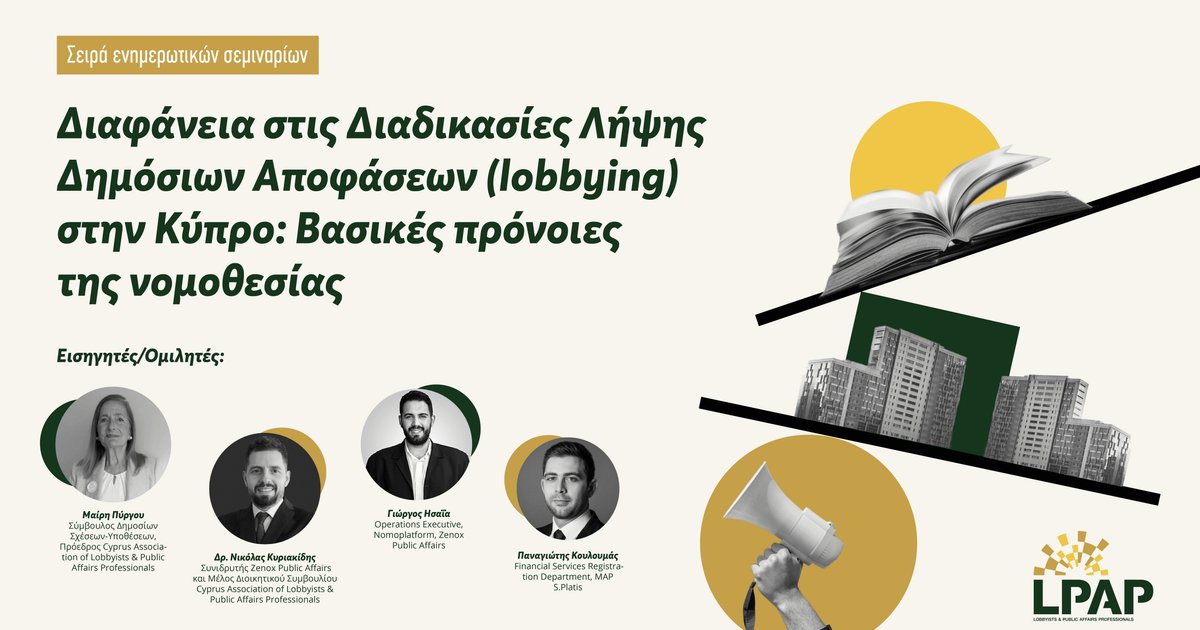
On April 2, 2023, a conference was held at the Center for Studies and Research in Administrative and Political Sciences at Pantheon-Assas University, where the role of secrecy in public decision-making was discussed. The conference highlighted the importance of this practice, which has been an integral part of state operations since its inception, while also addressing the challenges it poses in an age where citizens are demanding greater transparency and accountability.
Conference participants discussed how secrecy impacts the effectiveness of government decisions, noting that a delicate balance must be achieved between the need for confidentiality to protect national interests and the public's right to know.
Event Details
The conference saw the attendance of several academics and experts in political and administrative sciences, who presented a range of research papers addressing the impact of secrecy on decision-making. It was emphasized that secrecy is not always negative; it can be necessary in certain cases, such as national security or the protection of sensitive information.
However, there are increasing calls from civil society and the media to reduce the level of secrecy in government decisions, especially on issues that directly affect citizens' lives. Examples were cited from various countries where transparency has led to improved government performance and increased trust between the government and citizens.
Context and Background
Secrecy in decision-making is considered part of the governance traditions in many countries, where it has been used as a means to protect sensitive information. However, the information and communications age has brought about a significant shift in this context, as citizens now have access to more information than ever before.
Historically, secrecy was seen as an effective tool in the hands of governments, but with the growing public awareness of the importance of transparency, governments have begun to reassess their policies. In many countries, new laws have been adopted aimed at enhancing transparency and accountability, reflecting a change in how the relationship between government and citizens is understood.
Consequences and Impact
The results of the conference indicate an urgent need to rethink how secrecy is managed in decision-making. While secrecy can be necessary in some cases, its excessive use can lead to a loss of trust between the government and citizens. Participants noted that transparency does not necessarily mean disclosing all information; rather, it involves finding a balance between protecting sensitive information and the public's right to know.
It was also emphasized that enhancing transparency can lead to improved government performance, as citizens who feel they are part of the political process are more willing to support government policies.
Impact on the Arab Region
In the Arab region, where many countries face issues related to corruption and mismanagement, enhancing transparency and accountability could be a crucial step towards achieving sustainable development. Opening channels of communication between governments and citizens can help build trust and enhance stability.
The experiences of some Arab countries that have succeeded in improving transparency levels demonstrate that positive outcomes can be achieved through enhanced civic participation. Therefore, the conference held at Pantheon-Assas University is considered an important step towards a better understanding of the role of secrecy in decision-making and how to achieve a balance between secrecy and transparency.