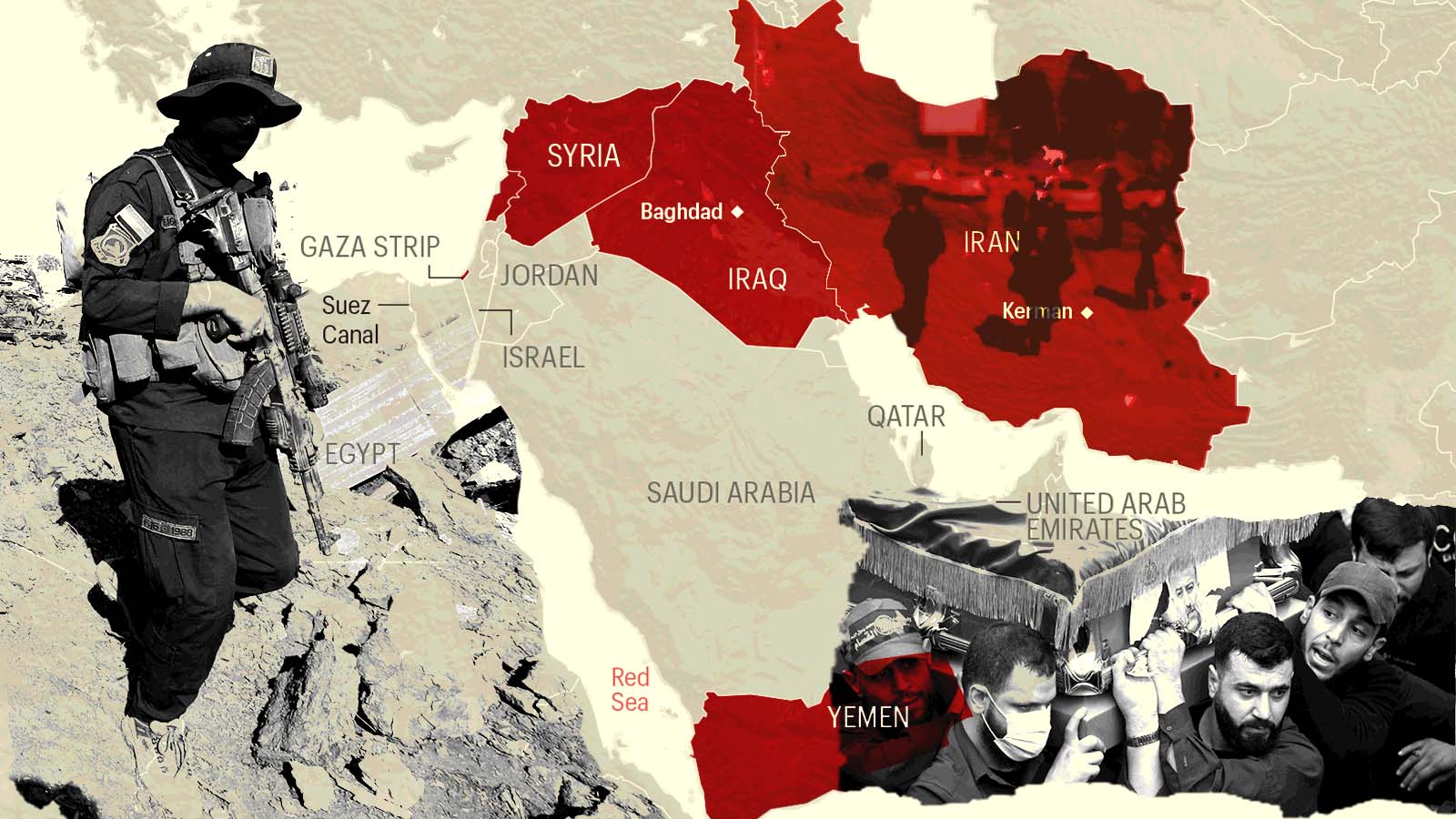
The Singaporean Parliament is set to convene a special session on Tuesday, April 7, to address the ramifications of the ongoing war in the Middle East on the nation. This session will include three ministerial statements from key government officials: Deputy Prime Minister and Minister for Trade and Industry Gan Kim Yong, Acting Minister for Transport and Minister of State for Finance Jeffrey Seah, and Minister for Home Affairs and National Security Coordinator K. Shanmugam.
This session follows the announcement by Prime Minister Lawrence Wong last week regarding the formation of a ministerial committee to coordinate a national response to the conflict, which has now entered its second month. The committee, known as the Internal Crisis Committee, is chaired by Minister for Home Affairs K. Shanmugam, with Gan serving as an advisor.
Event Details
The Singaporean government is preparing to address the repercussions of the war in the Middle East, as over 70 oral and written questions have been submitted by Members of Parliament regarding the conflict and its potential impacts. This initiative comes at a sensitive time, with growing concerns about the effects of the conflict on the economy and national security.
The government aims to provide clear and transparent information to citizens about how events in the Middle East are affecting Singapore, particularly amid rising tensions in the region. The ministerial statements are expected to cover economic and security issues that may arise from this conflict.
Background & Context
Historically, Singapore has relied on the stability of the Middle East, as the region is a major source of oil and natural gas. Any disruption in this area can significantly impact the Singaporean economy, which is heavily dependent on international trade. Additionally, Singapore is a global financial hub, making it vulnerable to negative effects from regional crises.
In recent years, the region has witnessed numerous conflicts and disputes, leading to increased awareness in Singapore about the importance of prompt and effective responses to international crises. The government has demonstrated resilience in handling past crises, reflecting its capacity to adapt to changing circumstances.
Impact & Consequences
The war in the Middle East could lead to rising oil prices, affecting transportation and production costs in Singapore. Any escalation in the conflict may also deteriorate trade relations with neighboring countries, negatively impacting the local economy. It is crucial for the government to be prepared to tackle these challenges through effective strategies.
Moreover, this war may impact internal security, as concerns about terrorist attacks or other security threats could increase. Therefore, enhancing national security will be a top priority for the government in the coming period.
Regional Significance
The events in the Middle East have significant implications for Arab countries, as they can lead to changes in regional and international policies. The stability of the region directly affects the security and economy of Arab nations, making it essential for these countries to collaborate in addressing common challenges.
In conclusion, the war in the Middle East is not merely a regional crisis; it has global repercussions that affect all nations, including Singapore. It is important for countries to remain prepared to face these challenges through coordination and international cooperation.