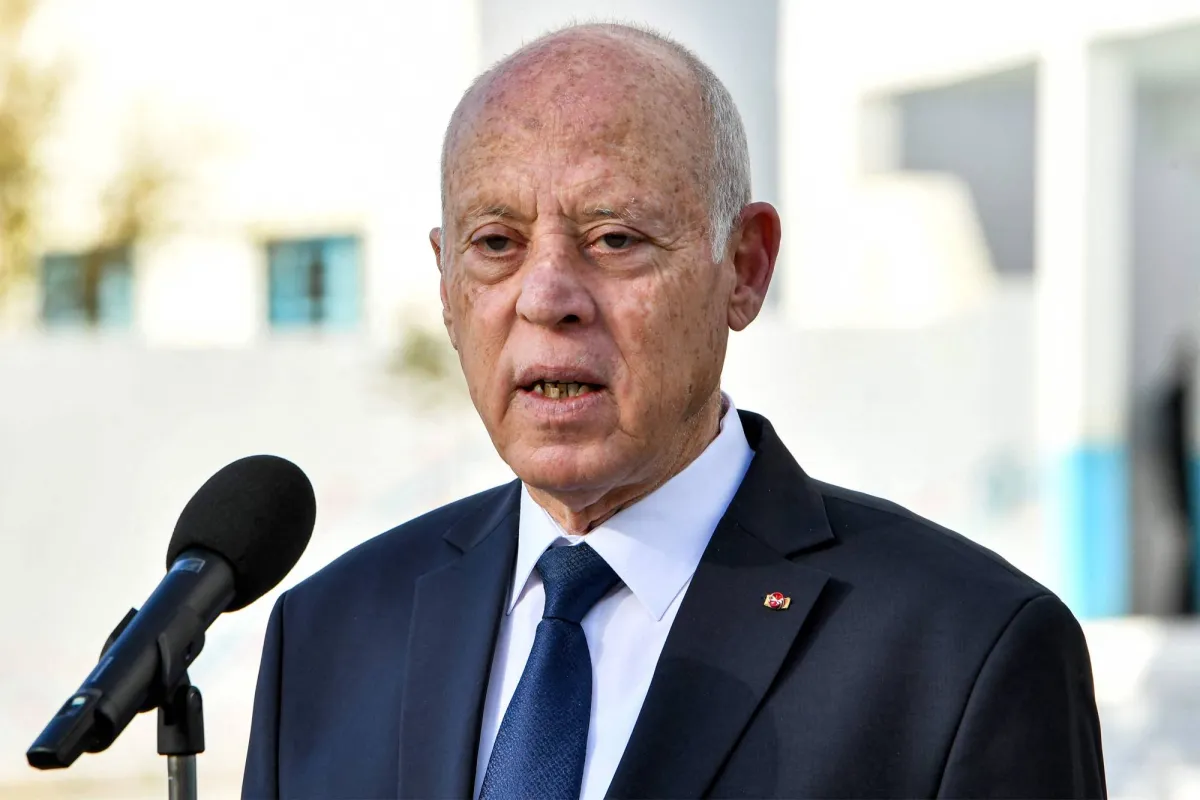
Tunisian President Kais Saied dismissed Energy Minister Fatma Thabet on Tuesday, a surprising move that comes at a sensitive time as parliament is set to vote on renewable energy projects. The decision has sparked widespread debate in political and media circles, as Saied did not provide any clear reasons for the minister's dismissal.
In the meantime, Saied has appointed Minister of Equipment and Housing Salah Eddine Zouari to temporarily oversee the Ministry of Energy, raising concerns about the future of the renewable energy projects the government aims to pass. These projects, with a total capacity of 600 megawatts, require investments estimated at around 500 million euros, and are considered part of Tunisia's efforts to expand clean energy production.
Details of the Dismissal
The dismissal of the minister comes at a critical juncture, as legislation related to renewable energy is poised for a parliamentary vote. These projects aim to enhance Tunisia's capacity to produce clean energy, but they face opposition from some lawmakers who describe them as a form of "energy colonialism." Critics have also condemned the exclusion of the Tunisian Electricity and Gas Company from contracts, arguing that granting these exclusively to foreign companies is unacceptable.
The Tunisian government is striving to boost investments in renewable energy amid the economic challenges facing the country. However, the controversy surrounding these projects may negatively impact the government's ability to pass the necessary laws.
Background & Context
Historically, Tunisia has seen multiple attempts to enhance renewable energy production, yet these efforts have often encountered political and economic obstacles. In recent years, the need to diversify the country's energy sources has increased, particularly in light of the environmental and economic challenges it faces.
Renewable energy projects are part of Tunisia's strategy to achieve sustainable development, but the ongoing debate may reflect the political divisions within the country. The minister's dismissal could have repercussions on the government's ability to implement its ambitious plans in this sector.
Impact & Consequences
The dismissal of the Energy Minister may affect public confidence in the government and its capacity to manage vital issues. If the renewable energy projects are voted on, any delays or failures in passing them could exacerbate the energy crisis in Tunisia.
Moreover, the opposition these projects face may indicate a lack of consensus among political forces in the country, which could impact political and economic stability. Under these circumstances, the government needs to find solutions that ensure the achievement of its renewable energy goals.
Regional Significance
Tunisia is part of broader efforts in the Arab region to promote the use of renewable energy. Many Arab countries are seeking to reduce their reliance on fossil fuels, making Tunisia's renewable energy projects strategically important.
If Tunisia succeeds in implementing its projects, it could become a model for the region, enhancing opportunities for regional cooperation in the energy sector. However, political and economic challenges may hinder these efforts, necessitating collaboration among all stakeholders.
In conclusion, the dismissal of Energy Minister Fatma Thabet is a significant event that could impact the future of renewable energy in Tunisia and reflects the political challenges the country faces in its pursuit of sustainable development.