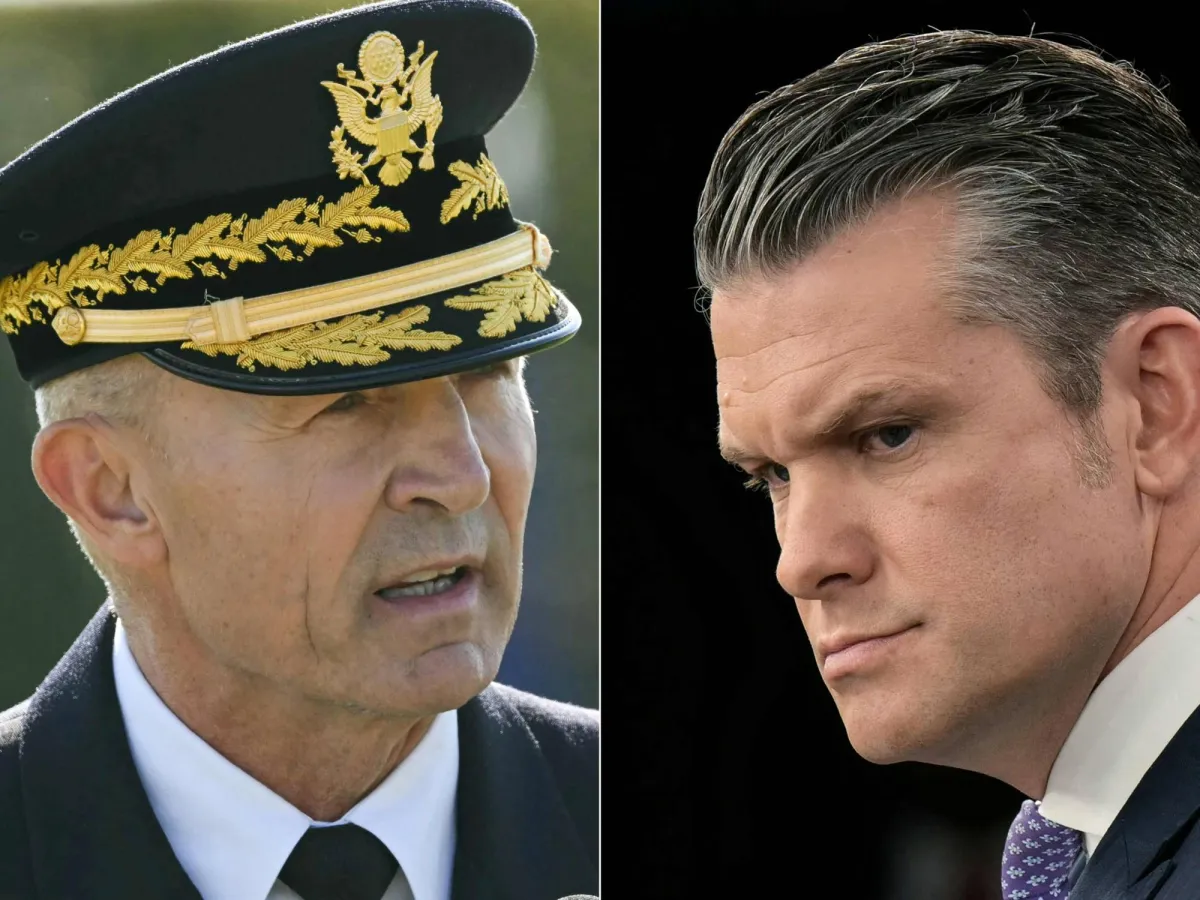
U.S. Secretary of Defense Pete Hegseth has dismissed General Randy George from his position as Army Chief of Staff, in a move that reflects new political directions within the U.S. military. This dismissal comes at a sensitive time as tensions with Iran escalate, and the United States prepares to send more troops to the Middle East.
The decision, made amid rising Iranian threats, is seen as part of Hegseth's strategy to reshape military leadership in line with the vision of former President Donald Trump. This decision coincided with the dismissal of two other generals, reflecting Hegseth's desire to strengthen the loyalty of military leaders to him and the Trump administration.
Details of the Dismissal
Pentagon spokesperson Shawn Parnell announced that General George would retire from his position immediately, thanking him for his years of service. However, no clear explanation was provided regarding the reasons for the dismissal, raising questions about its true motives. Reports indicate that Hegseth is seeking to appoint leaders who align with his military vision, reflecting a shift in the identity of the U.S. Army.
The dismissal comes at a critical time, as U.S. forces are on high alert in the Middle East, amid discussions of potential military operations against Iran. This timing adds to the significance of the decision and reflects the increasing tensions within the military establishment.
Background & Context
Since taking office, Hegseth has reshaped military leadership, dismissing many leaders associated with the Biden administration. This pattern of dismissals reinforces allegations that what is happening is not merely an administrative change, but a process of sorting political loyalty within an institution that is supposed to remain neutral.
General George, who assumed his position during the Biden administration, had made progress in modernizing the Army, making his dismissal unexpected. However, it appears that the conflict between Hegseth and George was more personal than professional, with some indicating tensions between Hegseth and Army leadership.
Impact & Consequences
These dismissals raise concerns that political loyalty has become a key criterion in appointing military leaders, which could affect the neutrality of the U.S. Army. This trend may lead to changes in how military operations are managed and reflects a shift in U.S. military culture towards greater political bias.
Additionally, Hegseth's decision to allow military personnel to carry personal firearms within military bases reflects a cultural and ideological shift, as he seeks to promote the idea of individual armament as part of a new military identity. This move could exacerbate situations within military bases, where concerns about shooting incidents are increasing.
Regional Significance
There are growing fears that these changes in U.S. military leadership could impact stability in the Arab region, especially with rising tensions with Iran. These shifts may lead to increased military escalation in the region, negatively affecting regional security.
In light of these developments, Arab countries must closely monitor the situation, as any military escalation could affect their interests and security. Changes in U.S. military leadership may also reshape regional alliances.
In conclusion, Hegseth's dismissal of the Army Chief reflects a profound shift in U.S. military culture, which could have wide-ranging implications for military policy and regional security.