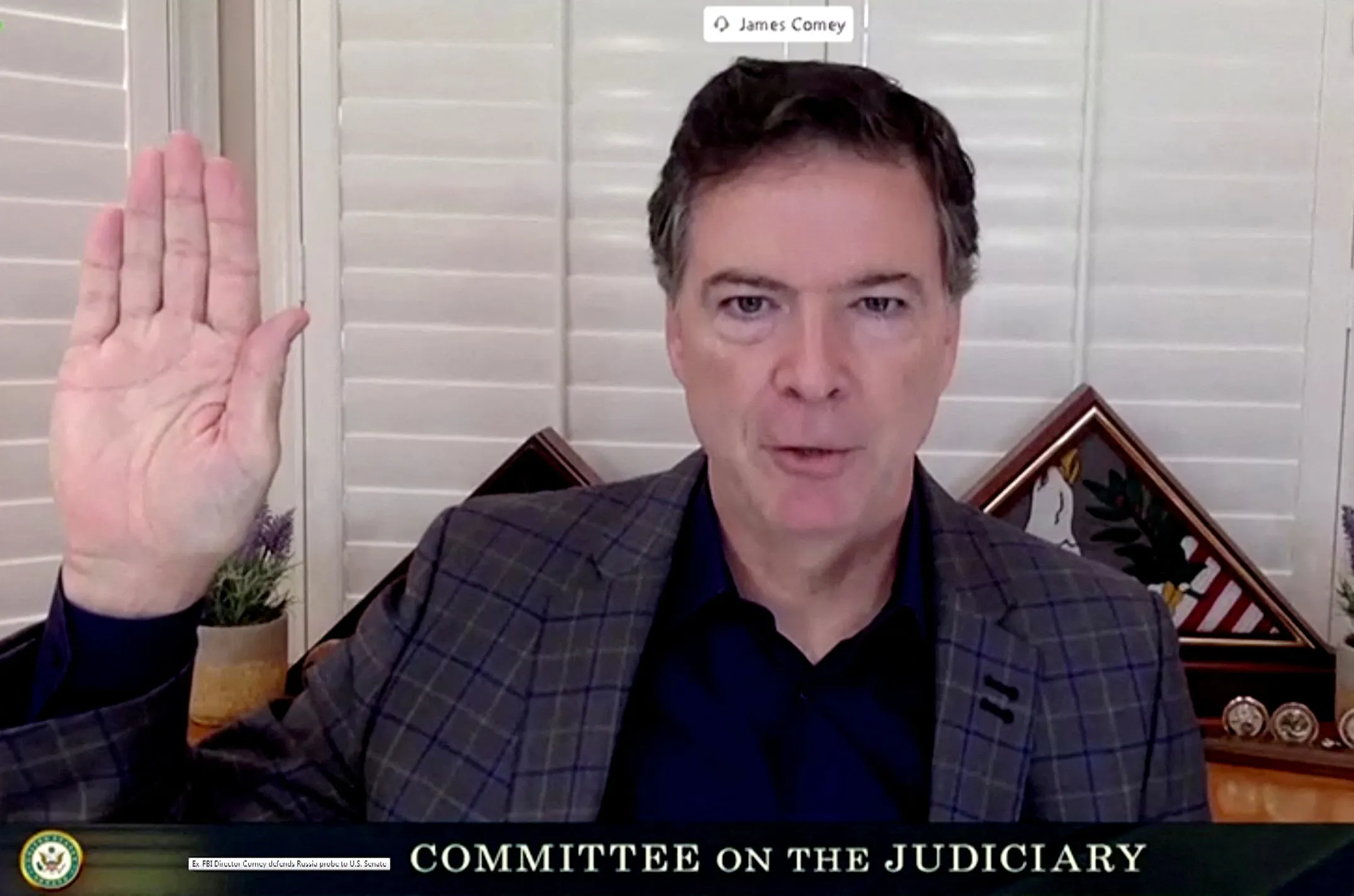
In November 2025, a federal judge in the United States dismissed charges that had been brought against James Comey, the former director of the FBI, which were considered to have been directed by former President Donald Trump. These developments reflect the continued legal and political struggle between Comey and Trump, who viewed Comey as one of his most significant adversaries.
The judicial decision came after a thorough review of the evidence and testimonies presented, where the judge concluded that the charges were not based on solid legal grounds. This ruling is seen as a victory for Comey, who faced widespread criticism during Trump's presidency, being accused of interfering in the presidential elections.
Details of the Case
The roots of this case date back to 2016 when Trump fired Comey after he led the investigation into Russian interference in the U.S. elections. Since then, Comey has become a controversial figure, with Trump accusing him of being part of a conspiracy against him. The charges leveled against Comey in 2025 included allegations of misconduct and abuse of power.
The investigations conducted by Comey sparked significant controversy, especially after he announced the reopening of the investigation into Hillary Clinton's email case just days before the elections. Many viewed this decision as having influenced the election results, intensifying the criticism directed at him.
Background & Context
Historically, the FBI is considered a vital institution in the United States, playing a key role in criminal and security investigations. However, political interventions in its operations have raised questions about its independence. The Comey case illustrates how politics can intertwine with justice, raising concerns among many about the integrity of the judicial system.
Over the years, the United States has witnessed numerous cases regarding the independence of government institutions. The Comey case is one of the most prominent examples, reflecting the tensions between the executive and judicial branches.
Impact & Consequences
The decision to dismiss the charges against Comey may have far-reaching implications for the American political landscape. It could bolster Comey's position as a defender of justice and heighten the divide between Trump supporters and opponents. Additionally, this ruling may open the door for further investigations into how the previous administration handled legal and political issues.
Moreover, this decision could encourage others to speak out about their experiences with political pressures, potentially leading to greater transparency in the judicial system. The case may also reignite discussions about the necessity of judicial reforms to ensure its independence.
Regional Significance
Although this case pertains to the United States, it has implications for the Arab region. Political and legal conflicts in Arab countries often intersect with justice, leading to a loss of trust in institutions. The Comey case highlights the importance of judicial independence as a fundamental element in promoting democracy.
Furthermore, events in the United States serve as a model for many Arab nations, where citizens strive for justice and accountability. This case may inspire human rights activists in the region to demand greater transparency and accountability from their governments.
The dismissal of charges against James Comey is a significant step in the pursuit of justice, reflecting the challenges facing the judicial system in the United States. This case underscores the importance of judicial independence in strengthening democracy, a lesson that can be learned in many countries around the world.