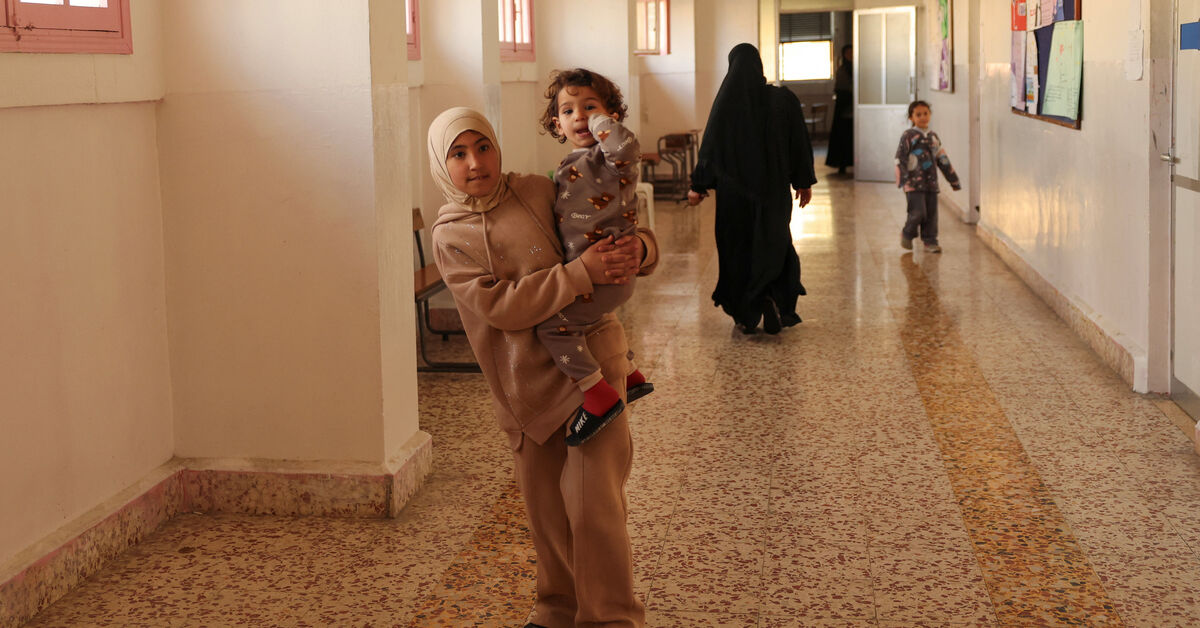
The suffering of displaced mothers in Lebanon is increasing as they face new challenges amid deteriorating security conditions. Hawraa Houmani, a 29-year-old woman, was nine months pregnant when Israeli planes attacked her village near Naqoura. She was forced to flee to Beirut, leaving behind her doctor, who had prepared to assist her during childbirth.
Hawraa states, "I had prepared myself physically and mentally for that doctor; I wanted her to be the one to bring my child into the world." However, as the bombardment intensified, her hopes turned into fears, as she lost access to the healthcare she relied upon.
Details of the Incident
In early March, tensions escalated in southern Lebanon, leading to an increase in Israeli attacks. These assaults targeted not only infrastructure but also civilian lives, particularly pregnant women and children. Hawraa is not alone; many mothers are facing similar circumstances, complicating the humanitarian situation in the country.
Reports indicate that many pregnant women in conflict zones are suffering from a lack of healthcare, threatening the health of both mothers and their children. Under these conditions, there is an urgent need for humanitarian support to ensure the safety of mothers and their children.
Background & Context
Historically, Lebanon has suffered from multiple conflicts, the most recent being the ongoing dispute with Israel. Since 2006, the country has experienced continuous tensions, affecting the daily lives of civilians. Pregnant mothers, in particular, face additional challenges amid the security instability, as access to health services becomes increasingly difficult.
This situation is part of a larger humanitarian crisis affecting the region, with increasing numbers of displaced persons and refugees resulting from ongoing conflicts. Lebanon, which hosts a large number of Syrian refugees, is under additional pressure on its healthcare and social systems.
Impact & Consequences
The repercussions of these conditions extend beyond humanitarian dimensions, impacting social and economic stability in Lebanon. Displaced mothers, like Hawraa, represent a new generation growing up in a challenging environment, threatening their future. The psychological impact on mothers and children could be profound, as their identities are shaped under harsh conditions.
These circumstances require an urgent response from the international community, as humanitarian support and necessary healthcare must be provided to ensure the safety of mothers and children. There is also an urgent need to create a safe and stable environment for pregnant women.
Regional Significance
The situation of displaced mothers in Lebanon exemplifies the difficult humanitarian conditions faced by many Arab countries. Armed conflicts in the region, such as those occurring in Syria and Yemen, exacerbate humanitarian crises, necessitating a collective response from Arab nations and the international community.
Supporting mothers and children in conflict zones must be a priority, as building a better future requires investment in the health of women and children. Mothers, like Hawraa, are symbols of hope amid crises, and their voices must be heard, and their rights supported.