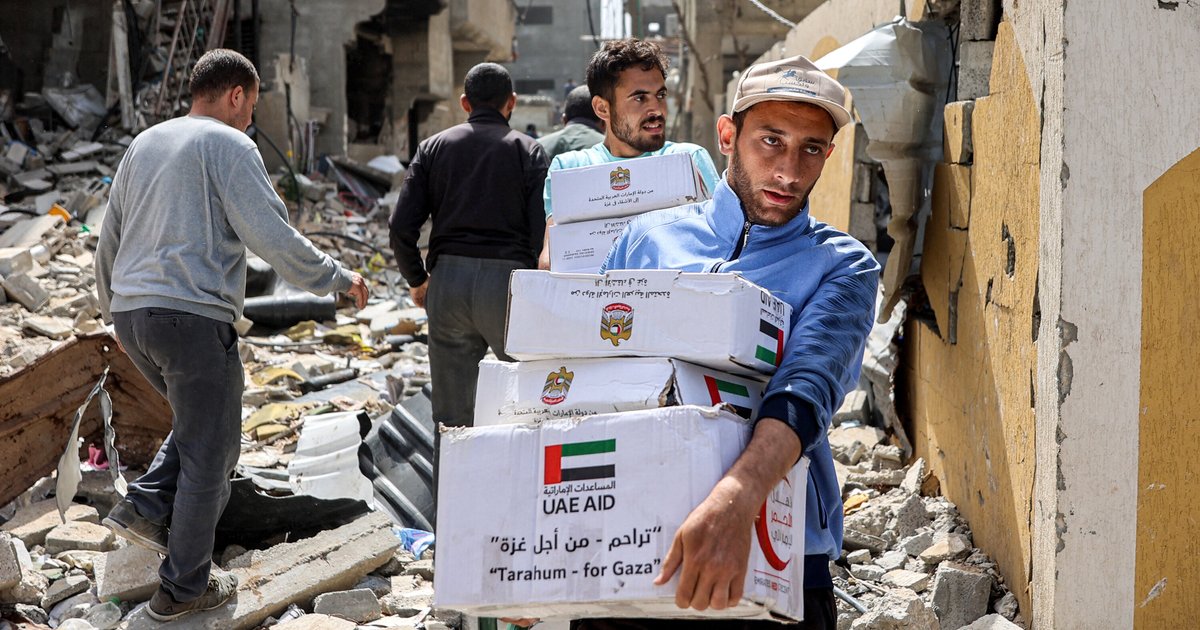
International relief organizations have reported that the ongoing conflict in the Middle East has disrupted relief supply chains, significantly affecting their ability to deliver food and medicine to millions of people suffering from humanitarian crises worldwide. Reports indicate that the humanitarian situation could worsen further if violence does not cease.
Humanitarian organizations are facing increasing challenges under the current conditions, struggling to access affected areas. The escalation of conflicts has exacerbated humanitarian conditions, making it difficult for organizations to provide the necessary aid to those in need.
Details of the Situation
Concerns are growing that the continuation of the conflict in the Middle East could lead to worsening humanitarian crises in several countries. Representatives from relief organizations have indicated an urgent need for food and medical assistance, as millions of people face the threat of famine and disease.
Global supply chains for food and medicine are among the most affected sectors by armed conflicts, as transportation and distribution operations are disrupted. Reports have shown that many areas that relied on humanitarian aid are now in critical condition, necessitating an urgent response from the international community.
Background & Context
Historically, the Middle East has witnessed numerous armed conflicts that have impacted humanitarian conditions. Since the onset of the COVID-19 pandemic, supply chains have faced additional challenges, complicating the situation further. With the escalation of conflicts, humanitarian organizations find themselves in a difficult position, requiring additional resources to meet the needs of those affected.
Humanitarian crises require rapid and effective responses, but armed conflicts hinder relief efforts. Studies have shown that the most affected groups are children and women, who need special care in such circumstances.
Impact & Consequences
If violence continues, its repercussions will affect humanitarian conditions both in the region and beyond. The number of displaced persons and refugees is expected to rise, placing additional pressure on neighboring countries. Furthermore, the worsening humanitarian crises could lead to increased social discontent, potentially contributing to the outbreak of conflicts in other areas.
Humanitarian organizations are striving to find sustainable solutions to the challenges they face, but they need support from the international community. Providing humanitarian aid is not just a moral obligation; it is essential for achieving stability in the region.
Regional Significance
The humanitarian situation in the Middle East is one of the pressing issues affecting regional stability. The continuation of armed conflicts threatens food and health security in many Arab countries, necessitating an immediate response from governments and international organizations.
Moreover, humanitarian crises may exacerbate economic conditions, increasing poverty and unemployment rates. Therefore, improving relief supply chains is a priority to ensure that necessary aid reaches those in need.
In conclusion, the international community must act swiftly to provide the necessary support to humanitarian organizations to ensure aid reaches those who need it most. The humanitarian conditions in the Middle East require a concerted effort from all parties to achieve peace and stability.