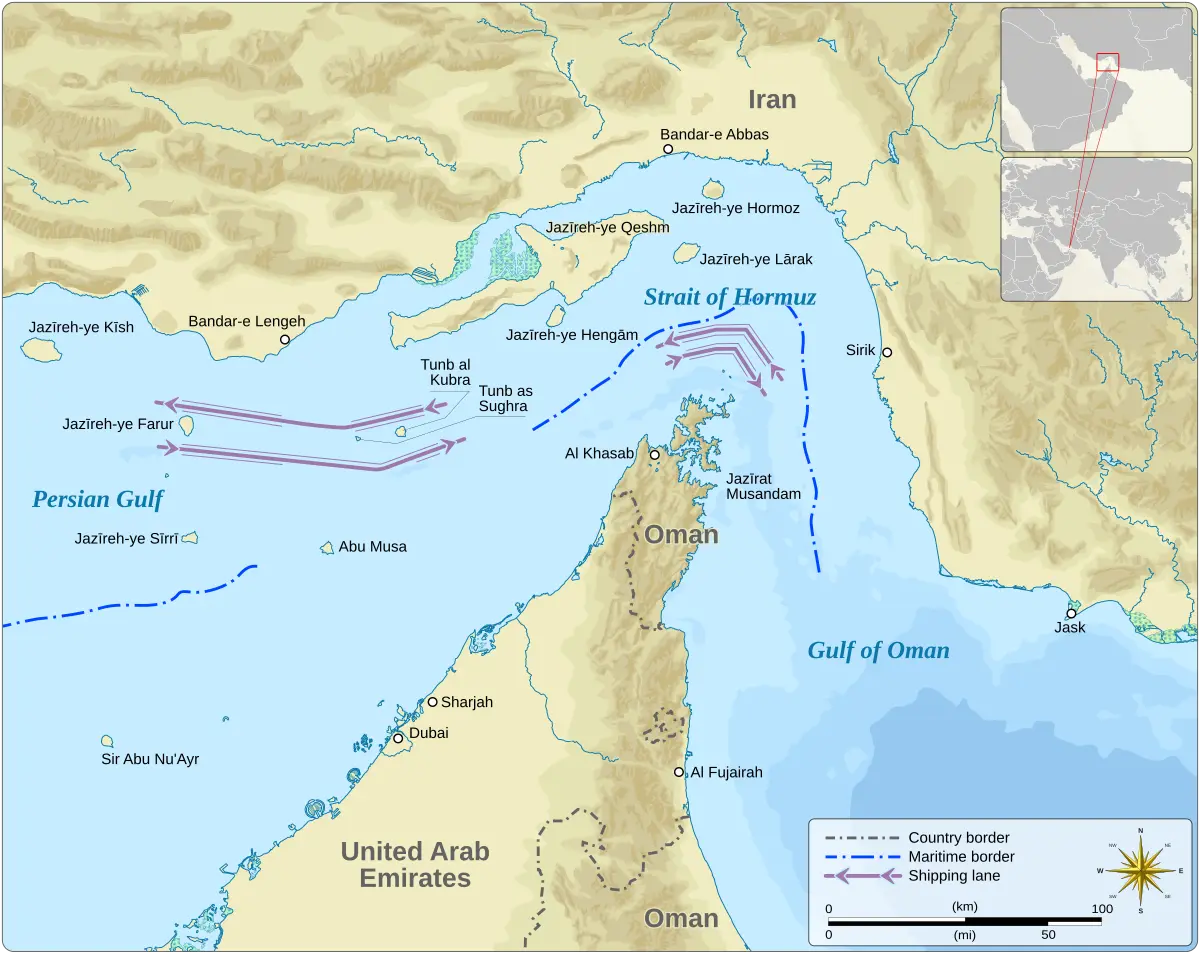
The Strait of Hormuz is considered one of the most important waterways in the world, as a significant percentage of global oil exports pass through it. Amid political and economic tensions, fears are growing about the impact of these disruptions on energy markets.
The International Chamber of Shipping reported that any disruption in shipping traffic through the Strait of Hormuz could lead to a noticeable increase in oil prices. Approximately 20% of the world's total oil supply passes through this strait, making it a sensitive point in the market.
Details of Recent Events
Reports indicate that recent events in the region, including tensions between Iran and the United States, may directly affect shipping movements. The International Chamber of Shipping has confirmed that any threats to navigation will lead to increased insurance costs for vessels, which will negatively impact oil prices.
Moreover, companies may be forced to seek alternative routes for transporting oil, which increases both time and costs. These combined factors could lead to price volatility that may affect the global economy.
Background & Context
Historically, the Strait of Hormuz has witnessed numerous crises that have impacted energy markets. In 2019, for instance, the region experienced a military escalation that resulted in a significant rise in oil prices.
This area is pivotal not only for oil but also for natural gas. Huge quantities of gas exported to global markets pass through it, making any disruption here affect overall energy supplies.
Impact & Consequences
Disruptions in the Strait of Hormuz are expected to have widespread effects on the global economy. Rising oil prices may impact transportation costs, which in turn will affect the prices of goods and services.
Additionally, oil-importing countries may face economic pressures due to rising prices, potentially leading to increased inflation and a slowdown in economic growth in some cases.
Regional Significance
For Arab countries, any disruption in the Strait of Hormuz could directly impact their economies, especially those that heavily rely on oil exports. Gulf states, in particular, may face challenges in maintaining stable oil prices.
At the same time, some countries may benefit from rising prices, potentially leading to increased oil revenues. However, this does not negate the risks associated with political disruptions that could lead to economic instability.
In conclusion, the Strait of Hormuz remains a pivotal point in global energy markets. Current tensions raise concerns about price stability and their impact on the global economy, necessitating close monitoring by all stakeholders.