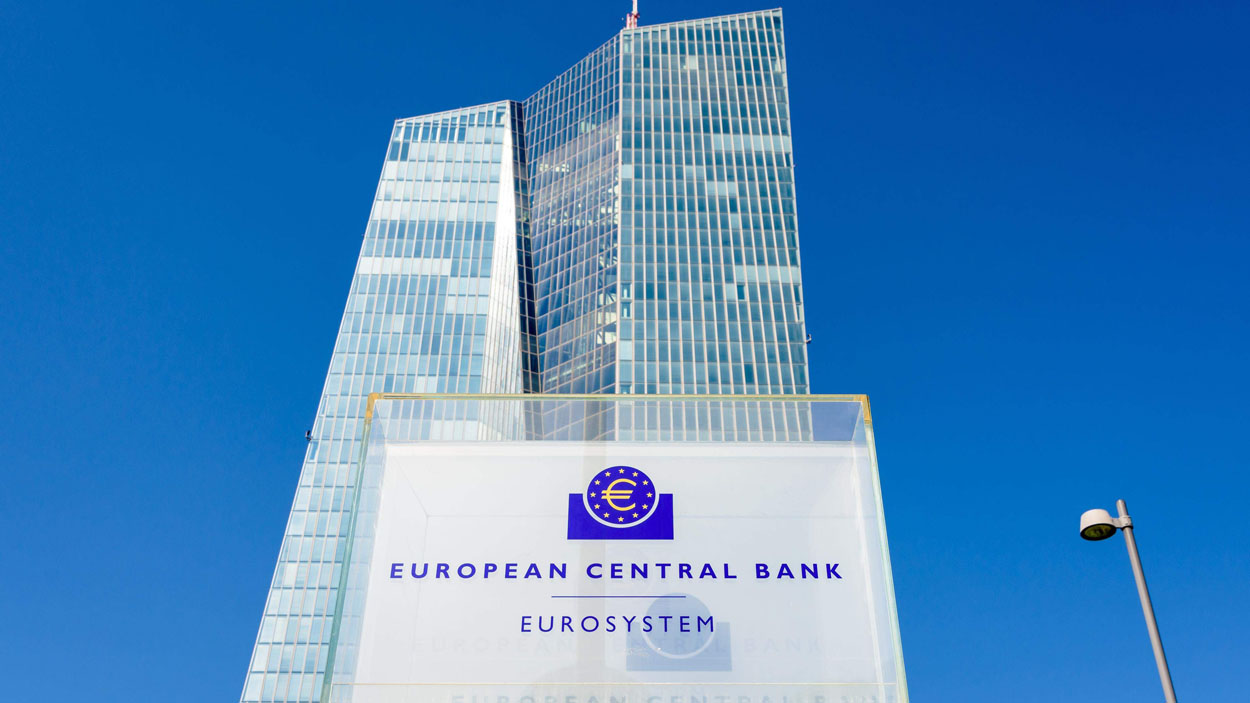
Recent surveys released by the European Central Bank on Tuesday revealed a marked increase in consumer inflation expectations, with one-year forecasts soaring to 4% in March compared to 2.5% the previous month. Additionally, inflation expectations for the next three years have risen to 3%, significantly above the European Central Bank's target of 2%.
In a related context, the quarterly bank lending survey disclosed that European banks have tightened their loan approval standards more than expected during the quarter ending in March. Banks indicated that they anticipate maintaining this stringent approach in the current quarter, driven by a decline in risk tolerance and concerns regarding economic outlook.
Details of the Event
These developments serve as the first tangible signs of the profound economic impacts resulting from rising energy costs following the outbreak of the Iranian war. This conflict has significantly affected global markets, leading to increased inflationary pressures in several European countries.
The elevated inflation expectations suggest that consumers foresee continued price increases, which could influence their purchasing decisions. Simultaneously, the tightening of lending standards by banks may reduce access to financing, adversely affecting economic growth.
Background & Context
Historically, Europe has experienced numerous economic crises that led to rising inflation rates, but the current situation is distinct due to the effects of the Iranian war. This conflict has caused significant fluctuations in energy prices, impacting production costs and commodity prices.
The European Central Bank, which aims to achieve price stability, faces considerable challenges under these circumstances. With rising inflation expectations, the bank may be compelled to adopt stricter measures in monetary policy, such as increasing interest rates in the future.
Impact & Consequences
The economic repercussions of these changes could be far-reaching. Rising inflation may erode consumers' purchasing power, affecting consumer spending, which is the primary driver of economic growth in Europe.
Furthermore, the tightening of lending standards may limit companies' ability to invest and grow, potentially leading to an economic slowdown. Under these conditions, governments may need to implement additional measures to support the economy, such as providing financial incentives or direct support to affected households.
Regional Significance
For the Arab region, rising inflation in Europe could impact trade and investment. Many Arab countries rely on exports to European markets, and any economic slowdown there may negatively affect demand for Arab goods.
Moreover, the increase in energy prices due to the Iranian war could influence the economies of oil-producing Arab nations, potentially leading to increased revenues but also to heightened inflationary pressures within these countries.
In conclusion, the economic situation in Europe remains under close observation, as any changes could significantly impact the global economy, including the Arab region.