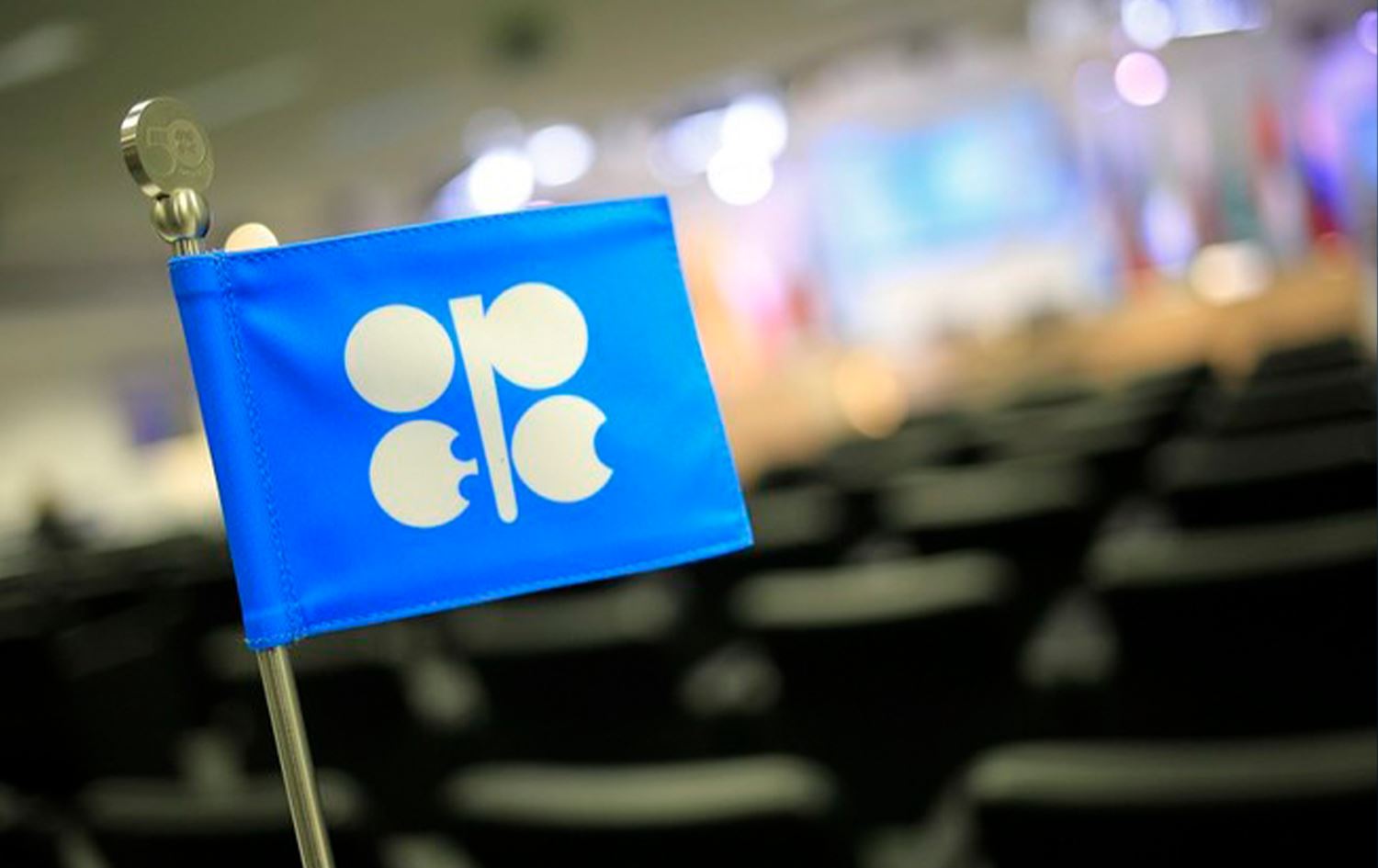
The United Arab Emirates has announced its exit from the Organization of the Petroleum Exporting Countries (OPEC) and the OPEC+ alliance, effective May 1, 2024. This decision is part of the UAE's strategic vision to develop its energy sector and boost investments in local production.
The Emirates News Agency reported that this decision reflects the country's commitment to its role as a reliable producer in global energy markets, aiming to accelerate investment in local energy in line with market demands.
Details of the Announcement
The UAE's decision follows a comprehensive review of its production policies and its capacity to meet market needs, particularly amid the current geopolitical tensions in the Arabian Gulf. These tensions impact the dynamics of supply and demand in oil markets.
The agency stated that the UAE will continue to gradually and thoughtfully increase its production, focusing on meeting global demand and adapting to changing market conditions. The country will also continue to collaborate with its partners to develop energy resources and enhance economic growth.
Background & Context
Historically, the UAE joined OPEC in 1967 through the Emirate of Abu Dhabi and maintained its membership after the establishment of the United Arab Emirates in 1971. During this period, the UAE has played a significant role in supporting oil market stability and fostering dialogue among producing countries.
For over five decades, the UAE has significantly contributed to the stability of global energy markets, establishing itself as a reliable partner in this vital sector.
Impact & Consequences
The UAE's exit from OPEC will have notable effects on oil markets, as it will be able to increase its production in line with its national needs. This decision may open avenues for the UAE to enhance its investments in renewable energy and modern technology.
This shift may also impact global oil prices, especially as demand continues to rise in emerging markets. The UAE will need to manage this transition carefully to ensure market stability.
Regional Significance
The UAE's decision comes at a sensitive time for the region, where many countries face economic challenges due to fluctuations in oil prices. This decision could lead to a reevaluation of other countries' strategies in dealing with OPEC and its alliances.
Furthermore, the UAE's exit may strengthen its role as an independent economic power in the region, potentially affecting economic and political relations with other countries.
In conclusion, the UAE's decision to exit OPEC reflects a strategic shift in its oil policy, demonstrating its commitment to enhancing the sustainability of its energy sector, which may open new avenues for growth and development.