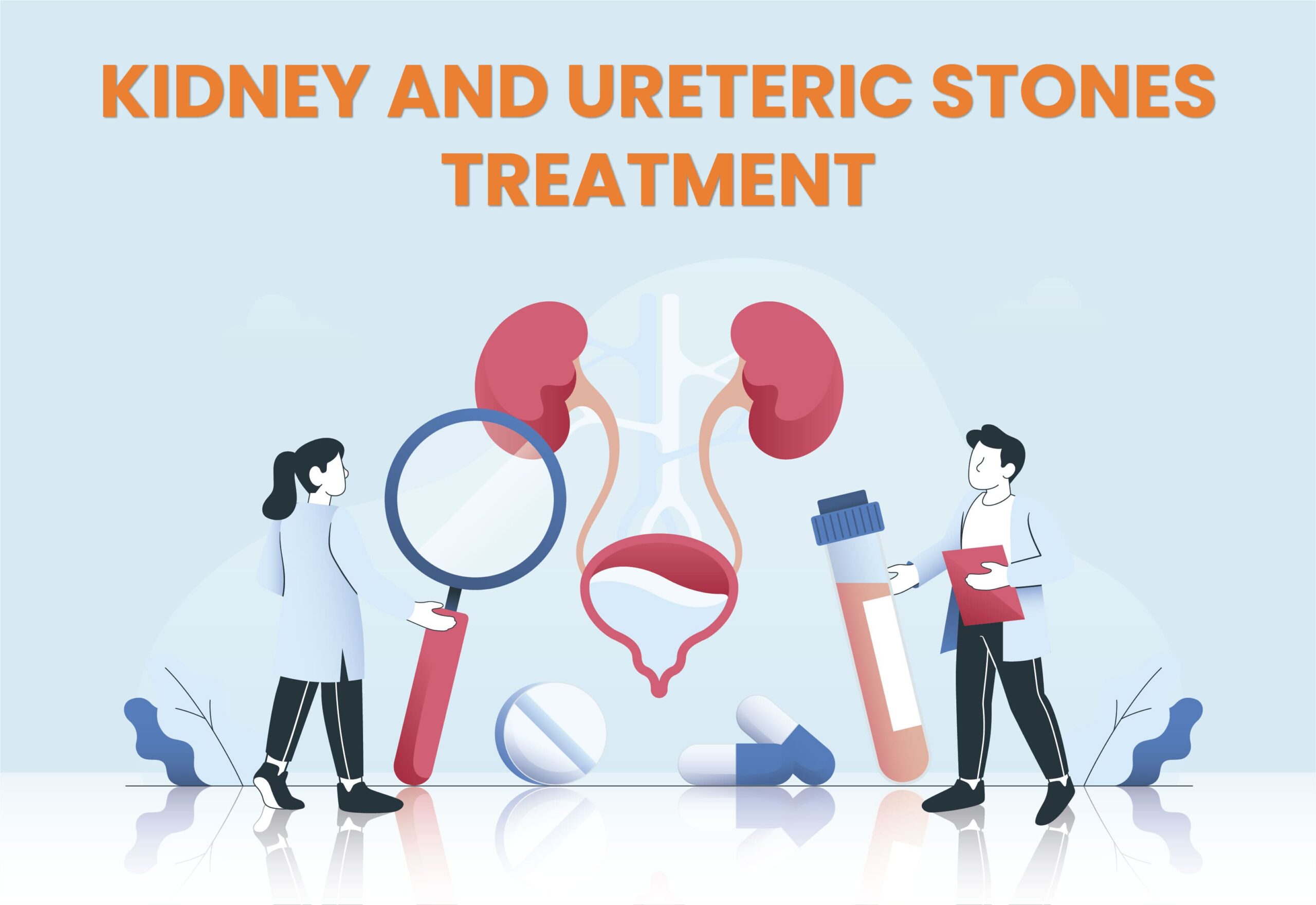
Dr. Rohan Goyal, founder of the Novana regenerative therapy center in India, revealed the fundamental differences between back pain resulting from physical activity and back pain associated with kidney problems. This insight was shared during an interview with the Hindustan Times, where he emphasized that understanding these differences can assist in early diagnosis and effective treatment.
Goyal pointed out that ordinary back pain is a common complaint experienced by many, often resulting from daily habits such as poor posture, physical strain from lifting heavy objects, or prolonged sitting. Typically, this pain is localized, meaning it is concentrated in a specific area of the back and does not accompany other symptoms.
Details of the Findings
He explained that back pain resulting from physical activity is often mild and can be easily treated by improving posture, employing rest techniques, and practicing stretching exercises to enhance spinal health. However, he cautioned that it is crucial not to ignore any warning signs that may indicate more serious issues.
In contrast, he noted that back pain related to kidney problems is entirely different, typically occurring in the upper back, beneath the ribs, and is deeper and more persistent. This type of pain is often accompanied by additional symptoms such as fever, nausea, vomiting, a burning sensation during urination, or even blood in the urine.
Background & Context
Back pain is one of the most common health complaints worldwide, affecting millions of people. According to statistics, nearly 80% of adults will experience back pain at some point in their lives. This pain can result from multiple factors, including psychological, environmental, and genetic influences.
In recent years, awareness has increased regarding the importance of public health and disease prevention. With the rising number of individuals working in professions that require prolonged sitting, it has become essential to understand how these habits affect spinal health.
Impact & Consequences
Back pain, whether resulting from physical activity or kidney issues, requires special attention. Early diagnosis can prevent the worsening of the condition, leading to improved quality of life. A good understanding of the differences between types of pain can help doctors make better treatment decisions.
Moreover, educating individuals on how to prevent back pain can contribute to reducing the burden on healthcare systems, ultimately leading to better overall public health.
Regional Significance
In the Arab region, back pain is also a common complaint, with many suffering from the effects of a sedentary lifestyle. As health awareness grows, it is important to enhance understanding of how to manage this pain and differentiate its causes. Local health initiatives can help disseminate essential information about prevention and treatment.
In conclusion, understanding the differences between back pain resulting from activity and kidney pain can significantly contribute to improving healthcare. Individuals should be aware of their bodies and seek medical assistance when necessary.