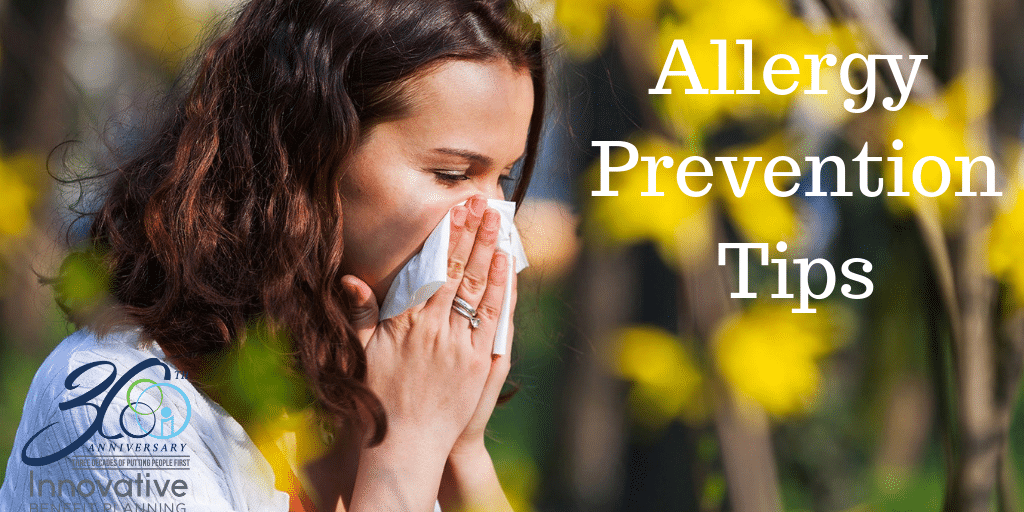
With the onset of spring, cases of eye allergies noticeably rise, affecting many individuals who experience bothersome symptoms such as itching, redness, and tearing. Doctors emphasize the importance of taking preventive measures to avoid these symptoms, as rubbing the eyes is one of the most harmful habits that can worsen the condition.
Studies indicate that eye allergies are often caused by exposure to allergens such as pollen and dust. Therefore, it is crucial to identify these triggers and avoid them as much as possible. Physicians recommend wearing sunglasses when outdoors, especially on days when pollen levels are high.
Details of the Situation
Eye allergy cases increase in spring due to the proliferation of pollen from flowers and trees. Medical reports have shown that many people suffer from allergy symptoms during this period, necessitating preventive actions. Doctors advise against rubbing the eyes, as this can exacerbate symptoms and increase inflammation.
Among other tips provided by doctors, using moisturizing eye drops can help alleviate dryness and irritation. It is also advisable to avoid direct exposure to wind and dust, and to wash the face and hands frequently to eliminate any contaminants that may irritate the eyes.
Background & Context
Eye allergies are a common health issue affecting many, especially in areas experiencing seasonal changes. With increasing health awareness, it has become essential to provide advice and guidance on preventing this condition. There is also a growing interest among doctors in educating patients on how to manage allergy symptoms.
Historically, eye allergies were considered a seasonal problem, but with climate change and rising pollution levels, this condition has become more prevalent. Thus, raising awareness about the importance of prevention and treatment is a fundamental step in maintaining eye health.
Impact & Consequences
Eye allergies significantly affect individuals' quality of life, potentially leading to decreased productivity at work and school. The bothersome symptoms can also impact patients' mental well-being, highlighting the need for effective solutions. In some cases, symptoms may develop into more severe health issues, requiring prompt medical intervention.
Addressing eye allergies requires special attention, as patients should consult doctors to determine the appropriate treatment. The use of antihistamine medications may significantly help alleviate symptoms.
Regional Significance
Eye allergies are a health issue affecting many Arab countries, with allergy cases increasing as seasons change. Therefore, raising awareness about prevention and treatment is crucial. Awareness campaigns can help reduce the number of cases, contributing to improved public health.
Ultimately, individuals should be aware of the importance of taking preventive measures against eye allergies, especially in spring. By following medical advice, symptoms can be reduced, and quality of life can be improved.