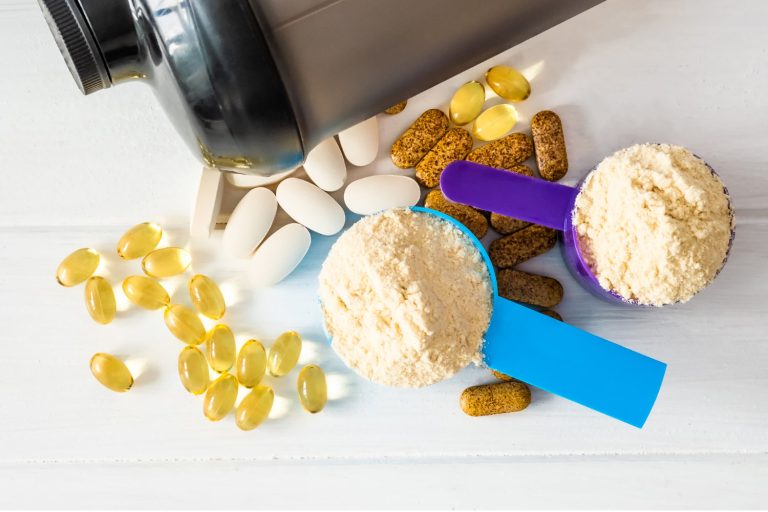
A recent American study indicates that dietary supplements for children, which seem safe, may actually be a cause for emergency room visits. Although these products are considered beneficial, the scientific evidence regarding their advantages is still limited, raising concerns among doctors and researchers.
The study was conducted by a team of researchers from the University of California, Southern California, and Berkeley, who analyzed data from three national surveys on children's nutrition in the United States between 2015 and 2023. The results showed that 35% of children consume some form of dietary supplements, with the use of certain products doubling in recent years.
Details of the Findings
The study, published in the journal (Pediatrics Open Science), confirmed that one in five children takes multivitamin tablets. It also revealed that the most common supplements include Vitamin D, iron, and Omega-3 fatty acids, reflecting an increased reliance on these products in children's diets.
However, researchers warn that some of these supplements may be linked to cases of poisoning or health complications in children and adolescents, especially when used without medical supervision or in doses inappropriate for their ages. The study showed that melatonin, a popular supplement for improving sleep, is associated with a significant number of emergency room visits due to gastrointestinal issues.
Background & Context
In recent years, the popularity of dietary supplements among families has surged, with many believing they enhance their children's health. However, numerous previous studies have shown that using these supplements without medical consultation can lead to significant health risks. For instance, in some cases, reports of poisoning due to vitamin overdoses have been documented.
This study serves as a reminder for parents to treat dietary supplements as medications, to be used only when necessary and under the guidance of specialists. This approach requires raising awareness about the potential risks associated with dietary supplements, especially in children.
Impact & Consequences
The implications of this study extend beyond the United States, reflecting a global issue regarding the use of dietary supplements among children. In many countries, companies promote dietary supplements as safe, which may lead to misuse of these products. Therefore, these findings call for stricter regulations on the marketing of dietary supplements to children.
Additionally, the increase in emergency cases related to dietary supplements may place additional pressure on healthcare systems, necessitating a swift response from governments and health authorities to ensure children's safety.
Regional Significance
In the Arab world, the popularity of dietary supplements is rising, with many believing they enhance overall health. However, there should be awareness campaigns similar to those launched in the United States, educating families about the potential risks of using supplements without medical supervision.
Emphasis should be placed on the importance of balanced nutrition as a healthy alternative to dietary supplements, as fruits, vegetables, and proteins can provide the necessary nutrients for children's growth.
In conclusion, this study highlights the importance of awareness regarding the risks associated with children's dietary supplements, urging families to take precautionary steps to ensure their children's health.