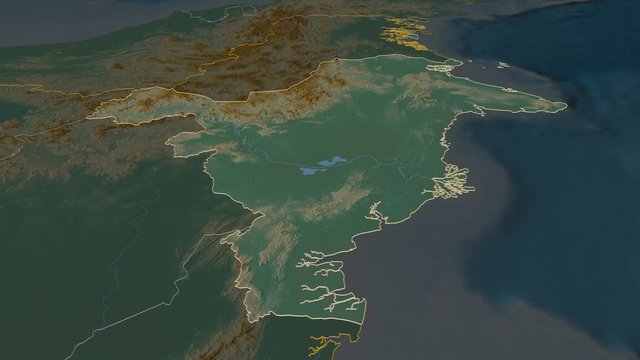
The East Kalimantan Social Affairs Department (Dinsos Kaltim) has announced the distribution of 12,500 humanitarian aid packages to areas affected by disasters, aiming to reduce the time taken to distribute aid in emergency situations. This announcement was made during a press conference held by the head of the department, Andi Muhammad Ishak, in the city of Samrinda, where he emphasized the importance of this step in enhancing the effectiveness of rapid response.
Ishak explained that the aid distribution system has been modified to include distributing part of the aid directly in local areas, instead of concentrating it in the capital's warehouses. This strategy aims to bring aid closer to the affected areas, making it easier to access during crises.
Event Details
This initiative is part of the local government's efforts to provide humanitarian aid quickly and effectively. Ishak noted that this step aligns with the constitutional commitments of the relevant authorities, which require achieving five key indicators in minimum service standards in disaster management.
These standards include ensuring the availability of nutritious food, providing appropriate clothing, and establishing facilities to shelter displaced persons. Ishak also stressed the importance of providing psychological and social support to affected communities to ensure their recovery after disasters.
Background & Context
Historically, the East Kalimantan region has witnessed numerous natural disasters, including floods and landslides. According to records from the Social Affairs Department, the average need for humanitarian aid in this region ranges from 12,000 to 17,000 packages annually, necessitating constant preparedness to face disasters.
The government is working to organize the distribution of disaster management tasks among various levels of governance, with local governments bearing the primary responsibility when the number of casualties exceeds 50 individuals.
Impact & Consequences
Through these initiatives, the government aims to improve the level of disaster response, reflecting its commitment to enhancing the capabilities of local communities in facing crises. A total of 300 individuals from emergency teams have been prepared to handle emergency situations, as they have been trained on how to manage crises effectively.
These steps are part of a comprehensive strategy aimed at strengthening human resource capacities in disaster management, contributing to increased readiness to face future challenges.
Regional Significance
The significance of these initiatives is evident in the broader context of facing natural disasters, as many Arab countries face similar challenges. The lessons learned from East Kalimantan can be applied in Arab countries that encounter natural disasters, such as floods and earthquakes, enhancing their ability to respond quickly and effectively.
In conclusion, these steps highlight the importance of pre-planning and preparedness for disaster response, reflecting the commitment of governments to provide necessary support to affected communities.