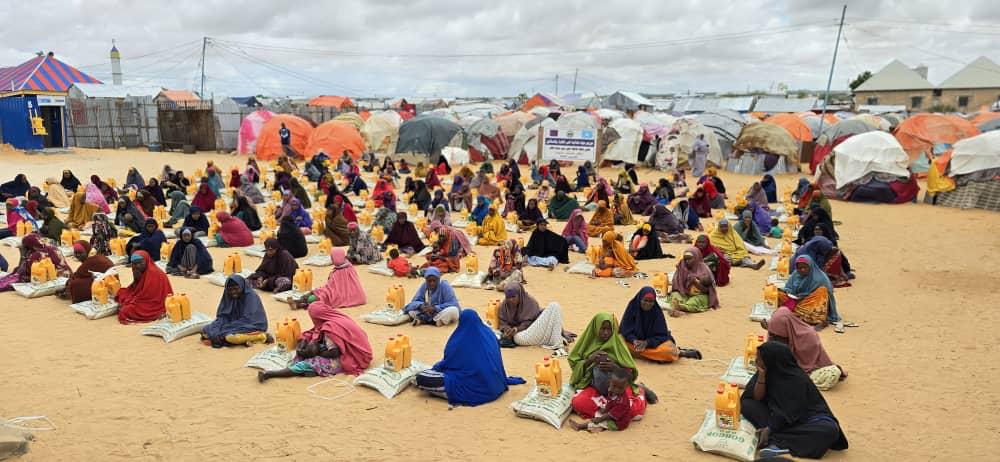
In a move aimed at enhancing food security, the Indonesian Bulog Agency has announced the commencement of new food aid distribution in Banyumas District, located in Central Java. These aids are designated for the months of February and March 2026 and are being distributed at the Kedunglurah municipal office in the western Borobudur area.
The head of the Bulog branch in Banyumas, Prabowo Setyo Aji, confirmed that this aid comes as part of the government's efforts to ensure that citizens' basic needs are met, especially amid current economic conditions. He explained that the aid includes large quantities of rice and cooking oil, which helps alleviate the burdens on needy families.
Details of the Distribution Event
The new food aid targets approximately 4,428 families in the western Borobudur area, with around 88,560 kilograms of rice and 17,712 liters of cooking oil distributed. This operation was carried out in coordination with local authorities to ensure that the aid reaches those in need effectively.
Previous food aid was distributed in the Sumtaghidi area on March 13, 2026, benefiting 7,059 families, with 141,180 kilograms of rice and 28,236 liters of cooking oil distributed. Consequently, the total number of families benefiting from food aid in Banyumas during 2026 has reached 286,920 families, marking a significant increase compared to the previous year.
Background & Context
Indonesia is one of the countries facing significant challenges in food security, particularly due to climate change and economic pressures. The Indonesian government has been working to enhance food aid programs as part of its strategy to tackle these challenges. Historically, Indonesia has relied on agriculture as a primary source of food, but changes in climate and population growth have put pressure on this sector.
The Indonesian government aims to improve the food aid distribution system, coordinating with local agencies to ensure that assistance reaches the most needy groups. Reports have shown an increase in the number of families benefiting from food aid in recent years, reflecting the government's efforts in this area.
Impact & Consequences
The distribution of food aid has positive effects on the community, helping to alleviate the economic burdens on needy families. It also contributes to stabilizing prices of essential food items such as rice and cooking oil, positively impacting citizens' lives. These programs are expected to continue enhancing food security and improving living standards in targeted areas.
However, there must be long-term strategies to ensure the sustainability of this aid, including support for local farmers and boosting agricultural production. Improving agricultural productivity can help reduce dependence on external food aid.
Regional Significance
Indonesia's experience in distributing food aid serves as a model that Arab countries can benefit from, especially given the economic challenges many nations in the region face. Arab countries can learn from Indonesia's experiences in enhancing food security by developing similar food aid distribution programs.
Moreover, cooperation between Arab countries and Indonesia in the field of food security can contribute to knowledge exchange and enhance food sustainability in the region. Strengthening food security is vital for ensuring the stability of Arab communities and achieving sustainable development.