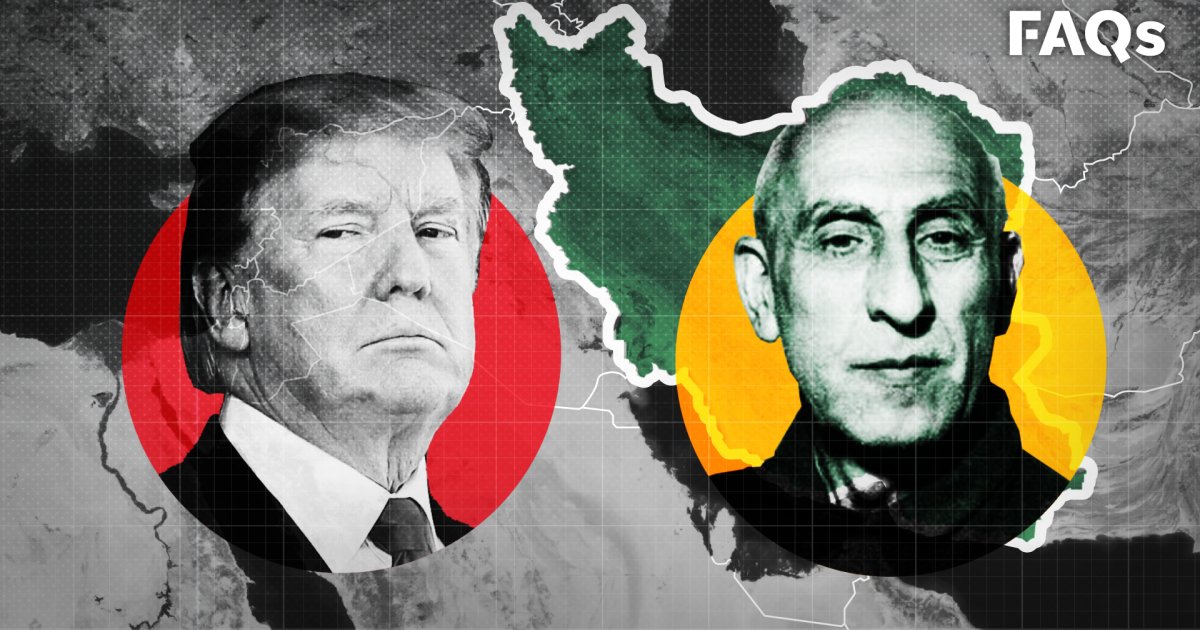
Elisa Ewers, a senior fellow at the Council on Foreign Relations, emphasized that the United States and Iran remain far from reaching an agreement regarding the situation in Iran. This statement was made during her appearance on Bloomberg's Asia Trade program, where she discussed recent developments related to the Iranian conflict.
Ewers pointed out that former US President Donald Trump insisted that freedom of navigation through the Strait of Hormuz be part of any potential agreement, reflecting the strategic importance of this waterway in global trade.
Details of the Event
Tensions between the United States and Iran are escalating amid the ongoing dispute over Iran's nuclear program. Recently, Iran expressed its willingness to return to the negotiating table, but US positions remain rigid, particularly concerning maritime security issues.
The Strait of Hormuz is a vital point, through which approximately 20% of the world's oil passes. This makes freedom of navigation a central issue in any future talks between the two sides, as the United States seeks to ensure that international navigation is not threatened by Iran.
Background & Context
Historically, US-Iranian relations have seen significant fluctuations, starting from the Iranian Revolution in 1979, which led to the severing of diplomatic ties between the two countries. Since then, there have been several attempts at negotiation, but most have failed due to mutual distrust and conflicting interests.
In recent years, tensions intensified following the US withdrawal from the Iranian nuclear deal in 2018, which resulted in the imposition of severe economic sanctions on Tehran. These sanctions have significantly impacted the Iranian economy, prompting the Iranian government to adopt a more hardline stance in its foreign policy.
Impact & Consequences
The implications of this dispute extend beyond Iranian borders, potentially affecting regional stability as a whole. If tensions continue, we may witness military escalation in the region, which could have negative repercussions on oil prices and global markets.
Moreover, the failure to reach an agreement could strengthen the position of Iran-backed armed groups in the region, complicating security situations in countries like Iraq, Syria, and Lebanon.
Regional Significance
For Arab countries, the situation in Iran directly impacts security and stability in the region. Gulf Arab states, particularly Saudi Arabia and the United Arab Emirates, are among the most affected by the tensions between the United States and Iran due to their geographical proximity.
These countries are seeking to bolster their alliances with the United States to ensure their security, but at the same time, they must be cautious of any escalation that could lead to armed conflict in the region.
In conclusion, the situation in Iran remains complex and requires intensive diplomatic efforts to achieve stability. While reaching an agreement may seem distant at the moment, dialogue remains the best option to avoid escalation.