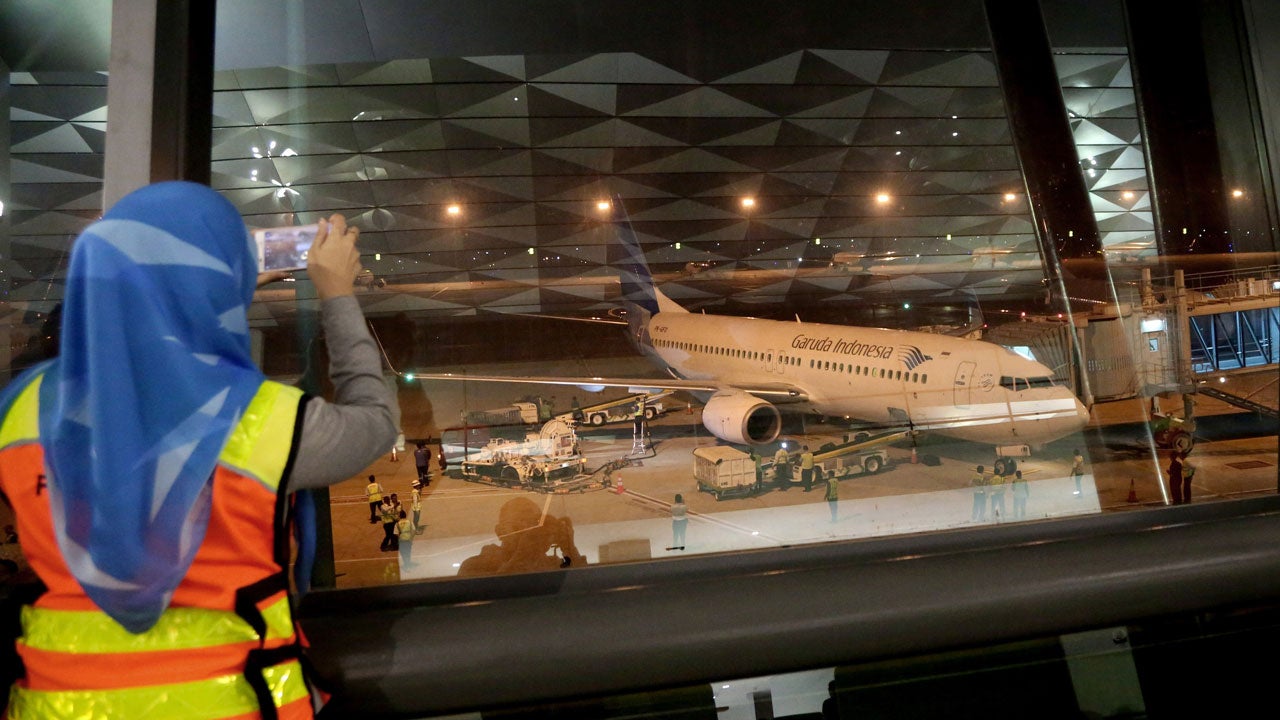
Soekarno-Hatta International Airport in Tangerang, Indonesia, has announced the diversion of several flights on Monday as a result of adverse weather conditions affecting the area. Heavy rainfall, accompanied by sudden changes in wind direction, hindered aircraft movement during the landing phase.
Yudistian, the Deputy Director of Legal Communications at the airport management, explained that the diversions were a precautionary measure to maintain the safety of passengers and aircraft. A total of 12 flights were redirected to other airports, while additional precautionary measures were implemented, including 14 flights placed on hold and 13 flights that circled the airport.
Details of the Incident
The flight operations were significantly impacted due to the severe weather, with numerous flights experiencing diversions and delays. According to data from the airport's operations center, these decisions were made to ensure passenger safety, as the weather conditions were not suitable for landing.
Additionally, Yudistian noted that the bad weather also affected some facilities at the airport, with damage reported to the roof of the boarding area in Terminal 3, prompting immediate action to ensure the safety of travelers.
Background & Context
Indonesia is known for frequently experiencing severe weather conditions, especially during the rainy season. In recent years, the country has faced several instances of flooding and storms that have disrupted air travel and transportation in general. With the increasing severity of climate change, these phenomena have become more common, necessitating preventive measures by the relevant authorities.
Historically, Indonesian airports have encountered similar situations, where flights were diverted or delayed due to weather conditions. These events highlight the importance of effective planning and coordination among stakeholders to ensure aviation safety.
Impact & Consequences
These incidents underscore the need for improving airport infrastructure and updating weather monitoring systems for better oversight of weather conditions. The economic impacts of these diversions can be significant, leading to flight delays and increased costs for airlines.
Moreover, passenger safety remains the top priority, making it essential to take swift and effective action in response to severe weather conditions. Airlines and relevant authorities must work together to ensure the continuity of air services safely.
Regional Significance
These events serve as a reminder of the importance of preparedness for climate change impacts worldwide, including in Arab countries. As climate change intensifies, Arab nations should enhance their weather monitoring systems and emergency planning to ensure the safety of air transport.
Ultimately, these incidents highlight the significance of international cooperation in addressing climate challenges, as countries can share experiences and technologies to improve aviation systems and ensure passenger safety.