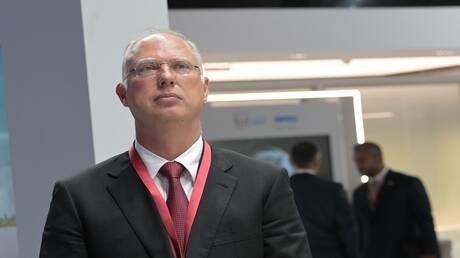
Kirill Dmitriev, head of the Russian Direct Investment Fund, has sharply criticized the European Union's climate goals, expressing skepticism about their feasibility. His remarks come at a crucial time as global pressures to address climate change intensify.
Dmitriev, a prominent figure in the Russian investment sector, pointed out that the climate targets set by the EU appear unrealistic and fail to consider the economic challenges faced by nations. He argued that these goals reflect a kind of hypocrisy, as European countries adopt policies that may exacerbate economic crises rather than resolve them.
Details of the Criticism
During his talk, Dmitriev noted that European nations are striving to achieve ambitious emission reduction targets while simultaneously relying on traditional energy sources such as coal and oil. He considered this contradiction to indicate a lack of seriousness in addressing climate issues.
Dmitriev also criticized what he described as the EU's pressure on other countries to adopt stringent climate policies while not adhering to the same standards themselves. He argued that this undermines the EU's credibility on the international stage.
Background & Context
Dmitriev's statements come at a time when global concerns about climate change and its negative impacts are on the rise. In recent years, the world has witnessed a notable increase in temperatures, leading to natural disasters such as floods and droughts. In this context, major countries are seeking to develop strategies to confront these challenges.
On the other hand, the EU faces increasing criticism regarding its climate strategies. Some believe that the goals set by European nations may be unattainable, especially amid the economic crises affecting many member states.
Impact & Consequences
Dmitriev's remarks could affect relations between Russia and the EU, particularly given the current political and economic tensions. His sarcastic comments may heighten existing disputes between the two sides and exacerbate ongoing crises.
Moreover, these statements could impact Russian investments in environmental projects, as Russian companies may hesitate to commit to European standards if such criticisms persist.
Regional Significance
Considering the potential impact on the Arab region, Dmitriev's comments may reflect similar trends in some Arab countries striving to balance economic development with environmental protection. Arab nations face significant challenges in this area, particularly due to their heavy reliance on oil and gas.
At the same time, these remarks may encourage some Arab countries to reassess their climate strategies, especially in light of increasing international pressures to achieve sustainable development goals.
In conclusion, amid rising climate challenges, the EU's climate goals remain a topic of debate and discussion. Dmitriev's statements reflect a viewpoint that calls for more dialogue and understanding among nations to achieve common objectives.