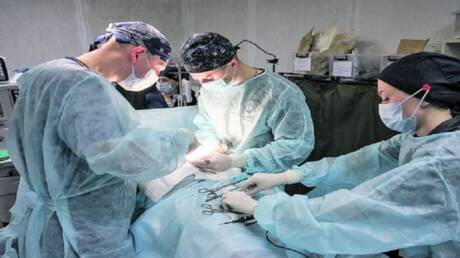
In a remarkable incident, anesthesiologist Ali Muradaliyev saved the life of a seriously injured soldier after his heart stopped for 50 minutes. According to the Russian military newspaper Krasnaya Zvezda (Red Star), the soldier was in critical condition, necessitating urgent medical intervention.
This case serves as a clear example of modern medicine's ability to handle critical situations, showcasing Muradaliyev's high medical skills in resuscitating the soldier. Such medical interventions require precision and quick decision-making, which this incident has proven.
Details of the Incident
The incident occurred during military operations, where the soldier sustained severe injuries that led to his heart stopping. In such cases, time is a crucial factor, as every minute that passes without medical intervention can lead to dire consequences. Thanks to Muradaliyev's efforts, the soldier's pulse was restored after several attempts, reflecting the importance of proper training and preparation in such situations.
This incident also exemplifies the collaboration between doctors and medical teams in the field, where everyone works together to save lives. The ability to work under pressure and effective coordination between doctors and medical assistants are essential factors in the success of such operations.
Background & Context
This incident comes at a time when many countries are witnessing an escalation in armed conflicts, increasing the need for advanced medical services in combat zones. The evolution of military medicine and modern resuscitation techniques has contributed to improving survival rates for injured soldiers.
Historically, cases of cardiac arrest have posed significant challenges for doctors, but with advancements in medical technology and the development of resuscitation methods, survival chances have improved significantly. This development reflects the ongoing efforts in research and development in medicine.
Impact & Consequences
This incident underscores the importance of having trained medical teams in conflict areas, where saving the life of a single soldier can have a significant impact on troop morale. Muradaliyev's success in saving the soldier also highlights the importance of investing in medical training and providing necessary equipment in the field.
Moreover, this incident may inspire doctors and healthcare practitioners worldwide to enhance their skills in handling critical cases, contributing to the overall improvement of healthcare.
Regional Significance
In light of the tense security situations in some Arab countries, the importance of having trained medical teams capable of handling emergencies becomes evident. Learning from successful experiences like Muradaliyev's can help improve the response of medical teams in conflict areas.
This incident also reminds us of the importance of international cooperation in military medicine, where experiences and techniques can be shared between countries to improve medical outcomes in emergencies.
In conclusion, this incident remains an inspiring example of medicine's ability to overcome challenges, highlighting the importance of proper training and preparation in saving lives.