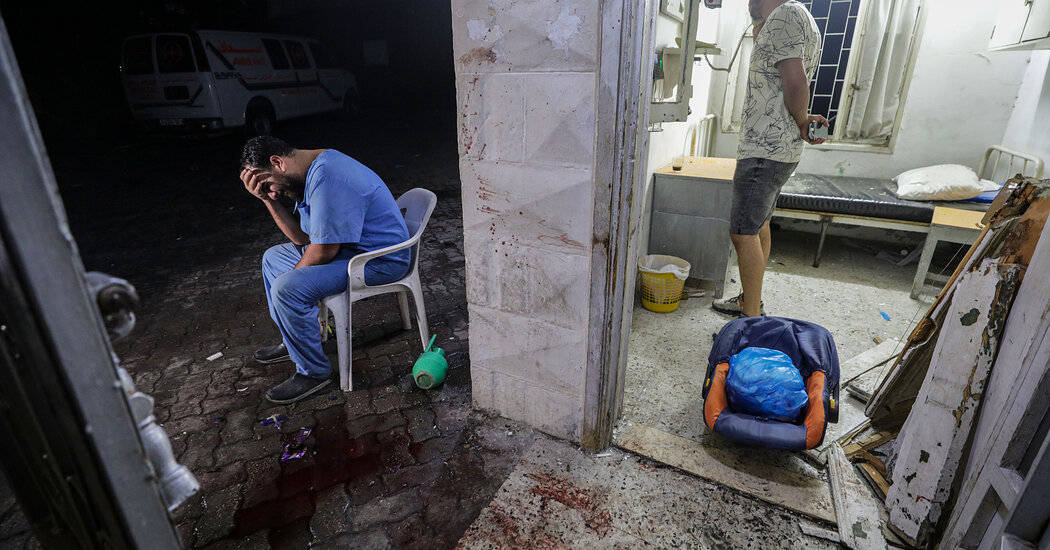
Medical professionals in conflict zones are facing increasing risks as they work under continuous bombardment. These conditions make it extremely difficult to provide healthcare, threatening the lives of many patients.
Doctors, who are considered the first line of defense in humanitarian crises, find themselves confronting unprecedented challenges. While these professionals strive to save lives, they are also exposed to danger, raising concerns about the health situation in these areas.
Details of the Situation
Reports indicate that many hospitals and health centers in conflict zones have been bombed, leading to the destruction of healthcare infrastructure. Doctors working in these conditions face a severe shortage of medical equipment and medications, complicating their efforts to save patients.
In some cases, doctors have been forced to work in makeshift shelters, where conditions are unsuitable for providing necessary healthcare. This situation places additional pressure on medical teams, who are striving to deliver health services under difficult circumstances.
Background & Context
Historically, conflict zones around the world, such as Syria and Yemen, have witnessed a significant deterioration of healthcare systems. Wars and armed conflicts have led to the destruction of hospitals and the displacement of doctors, negatively affecting these countries' ability to provide basic healthcare.
Armed conflicts often lead to the outbreak of diseases, exacerbating the suffering of the population. Doctors in these areas are not only concerned with treating wounds but also dealing with infectious diseases and epidemics that spread under unsanitary conditions.
Impact & Consequences
The repercussions of the health situation in conflict zones extend beyond their geographical boundaries, impacting regional and international health security. The spread of diseases in these areas can lead to greater health threats, necessitating an urgent response from the international community.
The lack of healthcare in conflict zones reflects the international community's failure to protect civilians and provide necessary support to medical teams. This situation calls for a reevaluation of humanitarian support strategies to ensure that essential healthcare is provided to affected populations.
Regional Significance
The health conditions in conflict zones in the Arab world serve as a wake-up call for neighboring countries. The challenges faced by medical teams in these areas could affect the stability of the entire region, necessitating a concerted effort from regional and international actors to resolve these crises.
Enhancing cooperation among Arab countries in public health can contribute to improving health conditions and providing necessary support to medical teams in conflict zones. Additionally, raising awareness about the importance of healthcare under these circumstances can help save lives.
In conclusion, doctors in conflict zones remain symbols of resilience and challenge, facing daily risks in their quest to save lives. Supporting them and providing protection is a humanitarian and ethical duty that requires the concerted efforts of all concerned parties.