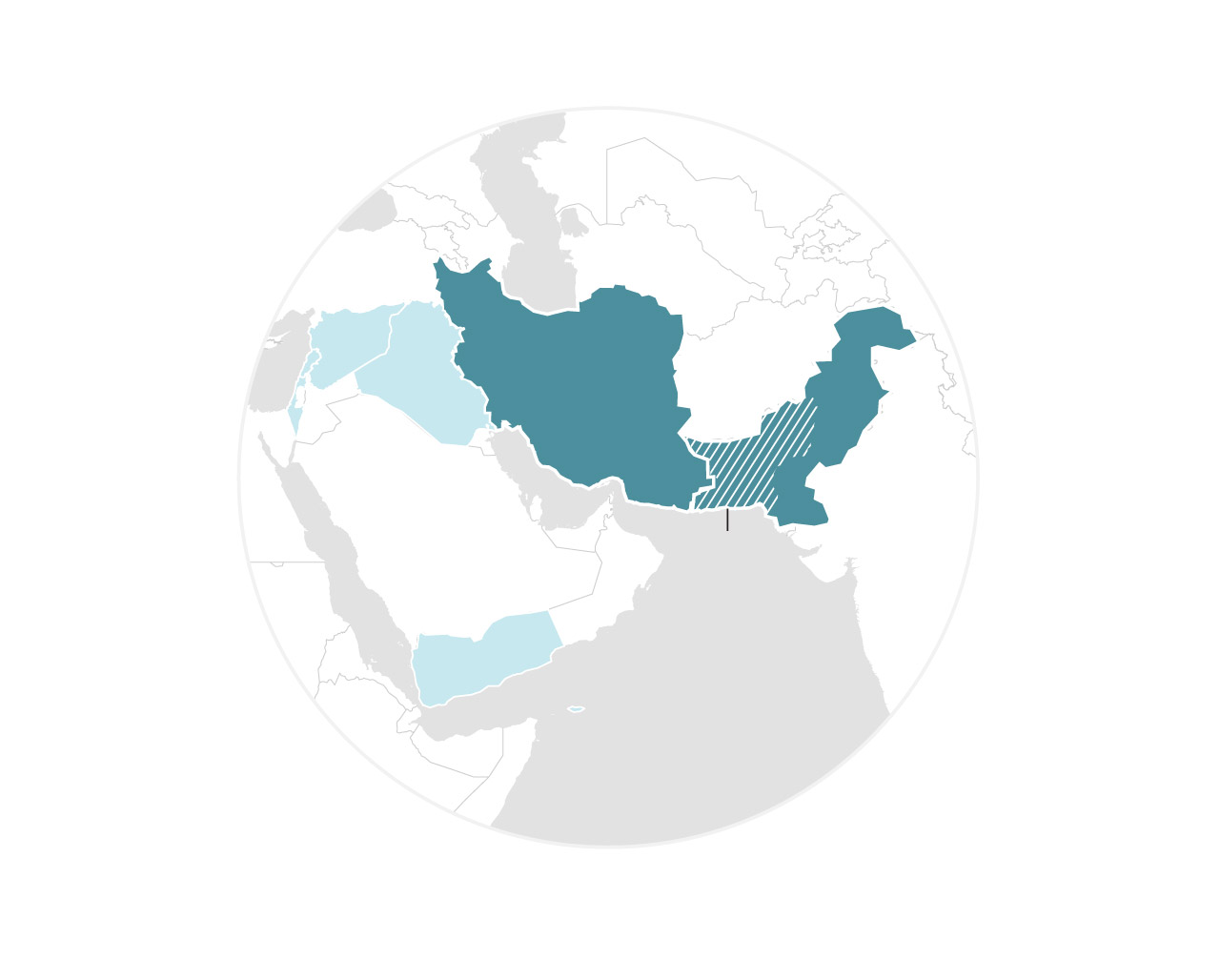
A new report reveals the escalation of Iranian aggression in the region, documenting a series of violations threatening regional security. These developments come at a sensitive time as the Middle East grapples with multiple crises, complicating the political and security landscape in the area.
The report, prepared by a group of experts on Iranian affairs, addresses a series of events that occurred over the past months, including attacks on commercial ships in the Arabian Gulf, support for armed groups in Iraq and Syria, as well as controversial nuclear activities.
Details of the Events
The report indicates that Iran has increased the pace of its aggressive operations, with several attacks on commercial ships in Gulf waters leading to heightened tensions between Tehran and Western countries. The report also documents Iran's support for armed groups in Iraq and Syria, threatening regional stability and exacerbating existing conflicts.
Additionally, the report discusses Iranian nuclear activities, with the International Atomic Energy Agency confirming that Iran has exceeded permissible limits in uranium enrichment, raising international concerns about Tehran's potential development of nuclear weapons.
Background & Context
Historically, Iran has always been a focal point of tensions in the Middle East, seeking to expand its regional influence through supporting armed groups and developing its nuclear programs. These policies have led to international sanctions on Tehran, negatively impacting its economy and exacerbating internal crises.
In recent years, the region has witnessed an escalation in conflicts, with Iran intervening in numerous disputes, making it a target of criticism from both Western and Arab nations. As international pressures mount, it appears that Iran is continuing to implement its aggressive strategies, further complicating the security situation in the region.
Impact & Consequences
The consequences of Iranian aggression extend beyond neighboring countries, affecting both regional and international security. The escalation of tensions could lead to the outbreak of new conflicts, threatening the stability of the entire region. Furthermore, the continuation of Iranian nuclear activities may trigger an arms race in the Middle East, increasing security risks.
Moreover, the rise of Iranian aggression could impact relations between Arab countries and Iran, as Arab nations may be compelled to adopt harsher stances towards Tehran, intensifying divisions within the region.
Regional Significance
For Arab countries, the escalation of Iranian aggression poses a significant challenge to national security. Many nations, such as Saudi Arabia and the UAE, are concerned about Iranian activities in the region, prompting them to bolster their military and security alliances. These developments may also lead to increased military spending in Arab countries, affecting their economies.
Ultimately, the question remains about how the international community will address these challenges. Will Western nations take effective steps to curb Iranian aggression, or will conditions continue to deteriorate?