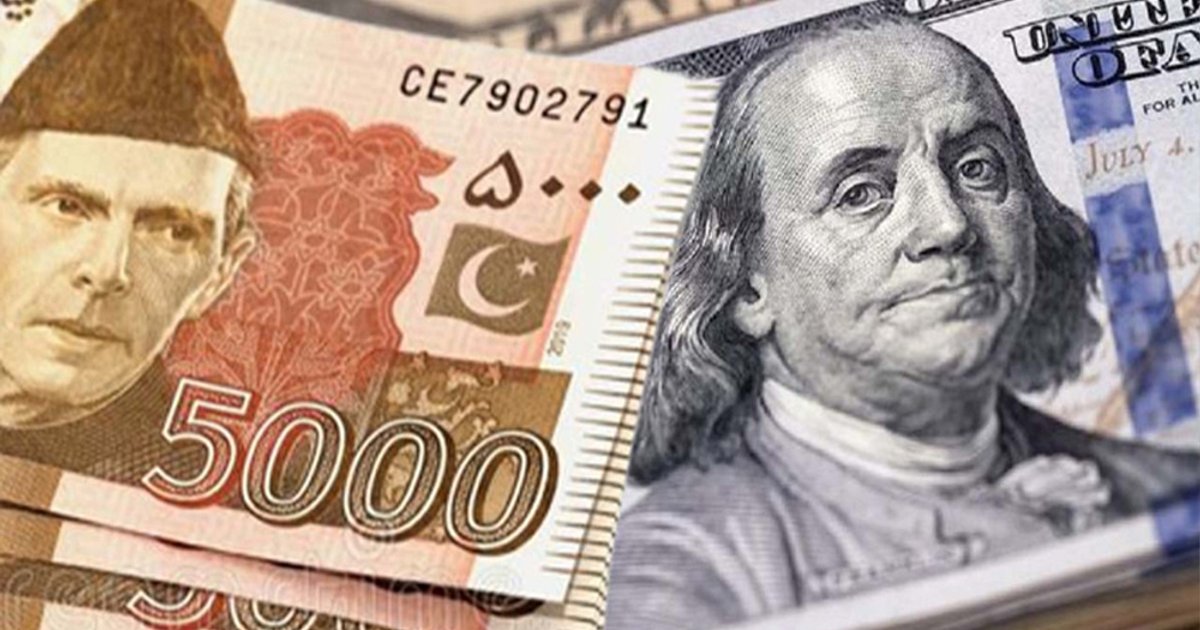
On Tuesday, April 28, 2026, the exchange rate of the US dollar against the Egyptian pound reached new levels in Egyptian banks. The fluctuations in exchange rates are significantly impacting the local market. According to reports, the dollar price in most banks has reached 30.25 pounds, reflecting ongoing pressures on the local currency.
This increase in the dollar's price comes at a sensitive time for the Egyptian economy, which is facing multiple challenges including inflation and rising prices of essential goods. These factors have directly affected the purchasing power of citizens, raising concerns about economic stability.
Details of the Event
The dollar prices vary among banks, ranging between 30.00 and 30.50 pounds. The exchange rate depends on several factors, including supply and demand in the market, as well as the monetary policies adopted by the government and the central bank. Additionally, regional and international tensions play a role in determining the exchange rate.
Banking sources have reported an increase in demand for dollars from importers, which has led to rising prices. At the same time, the Central Bank of Egypt is attempting to stabilize the market through periodic interventions, but external pressures continue to affect the stability of the pound.
Background & Context
Historically, Egypt has experienced significant fluctuations in the exchange rate of the pound against the dollar, especially after the pound was floated in 2016. Since then, the local currency has been affected by several factors, including global economic crises, changes in oil prices, and internal political conditions.
These fluctuations are part of the challenges faced by the Egyptian government in its pursuit of economic stability. Consecutive crises have led to increased reliance on foreign aid, complicating the economic situation further.
Impact & Consequences
The rise in the dollar's price directly affects the prices of goods and services, exacerbating the suffering of citizens. The increase in prices impacts the most vulnerable segments of society and raises poverty rates in the country. Local companies are also facing challenges in importing raw materials, which may affect productivity.
The Egyptian government is striving to implement economic reforms aimed at improving the financial situation, but current challenges may hinder these efforts. It is crucial for the government to adopt effective policies to address these pressures, including supporting the Egyptian pound and improving the business environment.
Regional Significance
Egypt is considered one of the largest economies in the Arab region, and therefore any fluctuations in the pound's exchange rate affect neighboring countries. The rise of the dollar may lead to increased prices of imported goods in other Arab countries, impacting economic stability in the region.
Moreover, economic crises in Egypt may affect foreign investments in the region, increasing the challenges faced by other Arab countries. Thus, the stability of the Egyptian economy is vital for the overall stability of the region.
In conclusion, the exchange rate of the dollar against the Egyptian pound remains a critical issue that requires close monitoring by both the government and citizens. As economic challenges persist, hope remains pinned on the implementation of effective policies that enhance the stability of the local currency and support the national economy.