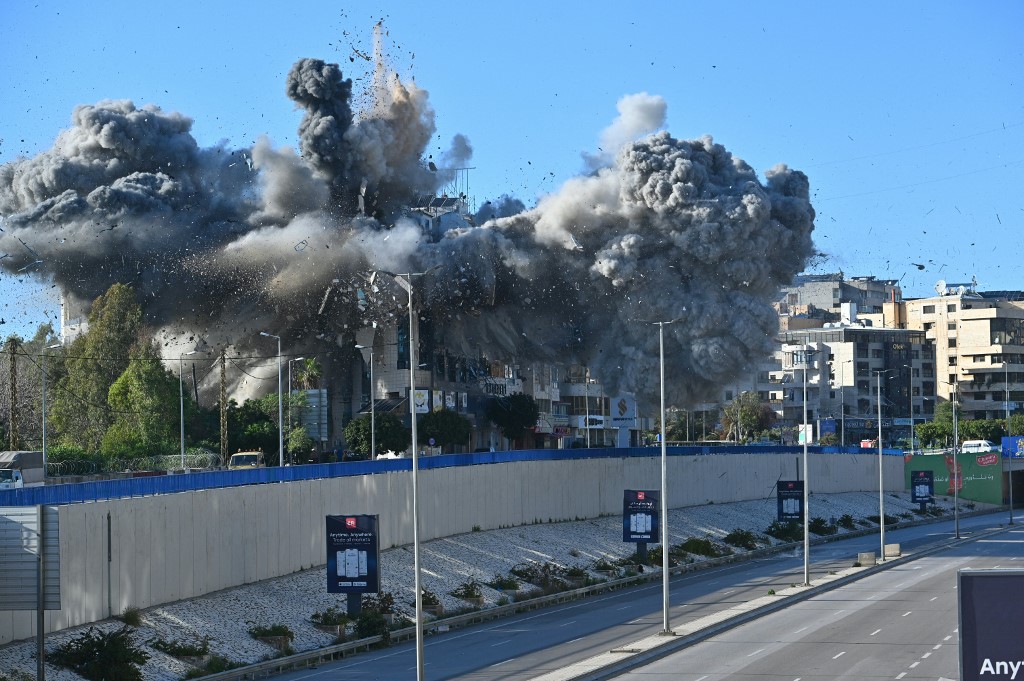
A drone targeted the Ahmadi refinery in Kuwait this morning, leading to fires in several operational units, according to the official Kuwait News Agency (KUNA) citing the Kuwait Petroleum Corporation. The incident occurred early in the morning, and authorities have declared that there were no injuries resulting from the attack.
The Kuwait Petroleum Corporation stated that the drone attack targeted the refinery, which is one of the largest oil facilities in the country. The incident has raised widespread concerns about the safety of vital installations in Kuwait, especially amid escalating regional tensions.
Details of the Incident
The attack occurred early this morning, with the drone targeting multiple operational units within the refinery. The fires ignited as a result of the attack were quickly brought under control by firefighting teams, preventing the situation from worsening. Despite the material damage, authorities confirmed that no injuries occurred among the refinery workers.
The Ahmadi refinery is considered a vital facility that plays a crucial role in meeting local and international market demands for oil and petroleum products. It is known that the refinery processes large quantities of crude oil and produces a variety of petroleum products.
Context and Background
This incident comes at a time when the Middle East is experiencing increasing tensions, particularly among major countries in the region. Kuwait, regarded as one of the largest oil producers in the world, faces growing security challenges, raising concerns about the safety of its oil facilities. In recent years, the region has witnessed several similar attacks on oil installations, reflecting the escalation of geopolitical tensions.
Historically, Kuwait has been the target of several attacks amid regional conflicts, with its oil facilities facing threats from armed groups. This attack serves as a reminder of the need to enhance security measures to protect vital installations.
Impact and Consequences
The attack on the Ahmadi refinery could impact the global oil market, as any threat to the safety of oil facilities in Kuwait is seen as an indicator of instability in the region. If these attacks continue, oil prices may be significantly affected, which would have repercussions on the global economy.
Furthermore, this incident may lead to increased security measures at Kuwaiti oil facilities, which could cost the government additional resources. Strengthening security may also affect daily operations at the refinery, potentially causing production delays.
Impact on the Arab Region
Kuwait is one of the main oil-producing countries in the region, and any threat to the safety of its oil facilities is considered a threat to Arab energy security in general. Attacks on oil facilities may increase tensions among Arab countries, especially amid competition for natural resources.
This incident also highlights the necessity for regional cooperation in energy security, as Arab countries must work together to protect their vital installations from external threats. Enhancing security cooperation among Arab nations could help mitigate the risks faced by these facilities.
In conclusion, the attack on the Ahmadi refinery in Kuwait raises concerns about the safety of oil facilities in the region. The current situation requires enhanced security measures and regional cooperation to protect the shared interests of Arab countries.