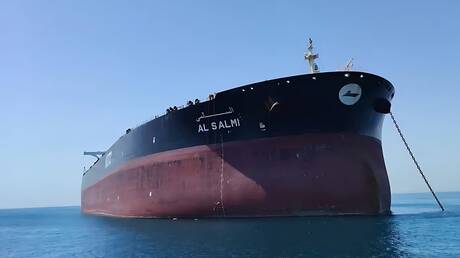
The giant oil tanker 'Salmi', considered one of the cornerstones of the Kuwait Oil Tanker Company (KOTC) fleet, was attacked by a drone in the anchorage area of Dubai Port, resulting in its withdrawal from service. This incident serves as a wake-up call regarding the tense security situation in the region and its impact on maritime trade.
'Salmi' is one of the largest oil tankers in the world, playing a vital role in transporting Kuwaiti oil to global markets. The attack it suffered underscores the increasing threats faced by commercial vessels, especially amid the volatile geopolitical conditions in the Gulf region.
Details of the Incident
The attack occurred late last night when the drone targeted the tanker while it was in the anchorage area of Dubai Port. No human injuries were reported, but the damage to the vessel may affect transportation operations in the near future. Emirati authorities have begun an investigation into the incident, while no group has claimed responsibility for the attack so far.
This incident comes at a sensitive time, as the region is experiencing rising tensions among several countries, increasing risks to maritime navigation. It is noteworthy that oil tankers have been targets of previous attacks in recent years, raising concerns about the safety of oil shipments.
Background & Context
Since the beginning of the millennium, the Arabian Gulf region has witnessed numerous armed conflicts and political crises that have directly impacted maritime trade. Attacks on commercial vessels are not new, as several tankers have faced similar assaults in recent years, leading to increased insurance costs for shipments.
Historically, Kuwait has heavily relied on oil exports, with oil revenues accounting for about 90% of the country's total revenues. Therefore, any threat to the Kuwaiti oil fleet is considered a threat to the country's economic security.
Impact & Consequences
This incident could lead to heightened tensions among the involved countries and may affect global oil prices. If attacks on commercial vessels continue, investors may seek safer alternatives, which could impact the oil market as a whole.
Additionally, Kuwait may take further measures to enhance the security of its oil fleet, potentially requiring new investments in technology and maritime security. These steps could lead to increased operational costs, affecting future profits.
Regional Significance
The Arabian Gulf region is a vital hub for global oil trade, and any threat to maritime security could impact neighboring countries. If tensions escalate, this may lead to rising prices and a decline in investments in the oil sector.
The incident also highlights the importance of regional and international cooperation in securing maritime corridors, as any escalation could affect all countries that rely on oil as a primary source of revenue.
In conclusion, the attack on the 'Salmi' tanker serves as a reminder of the need to enhance maritime security in the region and work towards stabilizing political conditions to ensure the safety of maritime trade.