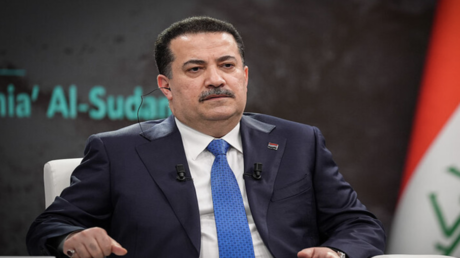
In a serious security incident, Iraqi Prime Minister Mohammed Shia' al-Sudani has ordered a security investigation following a drone attack that targeted the home of Nechirvan Barzani, the President of the Kurdistan Region, early on Saturday morning. This attack comes at a highly sensitive time as Iraq grapples with increasing political and security tensions.
The attack did not result in any injuries, but it has raised widespread concerns about security in the region, especially given the current situation in the country. The home was targeted in Erbil, the capital of the Kurdistan Region, reflecting the escalating tensions in the area.
Details of the Incident
According to local sources, the home was targeted by a drone in the early morning hours, causing material damage without any casualties. Nechirvan Barzani confirmed that he was not at home at the time of the attack, which helped avoid a greater disaster. This attack occurs amid rising political tensions between the central government in Baghdad and the Kurdistan Region, with disputes escalating over oil and budget issues.
It is noteworthy that drones have become an increasingly used tool in armed conflicts, complicating the security situation in Iraq. Drone attacks have surged in recent years, raising fears of their potential use in future attacks targeting political or civilian figures.
Background & Context
Historically, the Kurdistan Region of Iraq has experienced political and security tensions, particularly following the independence referendum held in 2017. This referendum, which faced strong opposition from the Iraqi government, led to heightened tensions between the region and Baghdad. Since then, the region has sought to enhance its autonomous powers, increasing disputes with the central government.
In recent years, Iraq has witnessed a rise in armed attacks by militant groups, including ISIS. This has led to enhanced security measures in sensitive areas, including the Kurdistan Region. However, the recent attack reflects a weakness in these measures, raising questions about the government's ability to protect political figures.
Impact & Consequences
The attack on Nechirvan Barzani's home could have significant political repercussions. It may escalate tensions between the region and the central government, threatening stability in Iraq. Additionally, this attack could bolster the position of armed groups seeking to destabilize security in the country.
Furthermore, the attack may affect relations between the Kurdistan Region and neighboring countries, especially given the deteriorating security situation in the area. This could lead to increased pressure on the Iraqi government to enhance security in the country, potentially requiring stricter measures against militant groups.
Regional Significance
The situation in Iraq is part of the larger picture of security in the Arab region. Armed attacks and political tensions in Iraq could impact the stability of neighboring countries such as Syria and Turkey. Moreover, escalating tensions in Iraq could encourage militant groups in other countries to carry out similar attacks, further complicating the security situation in the region.
Ultimately, the question remains about how the Iraqi government will respond to this attack and whether it will take effective steps to enhance security and protect political figures. Recent events indicate that the situation in Iraq remains fragile, necessitating ongoing international attention to ensure stability in the region.