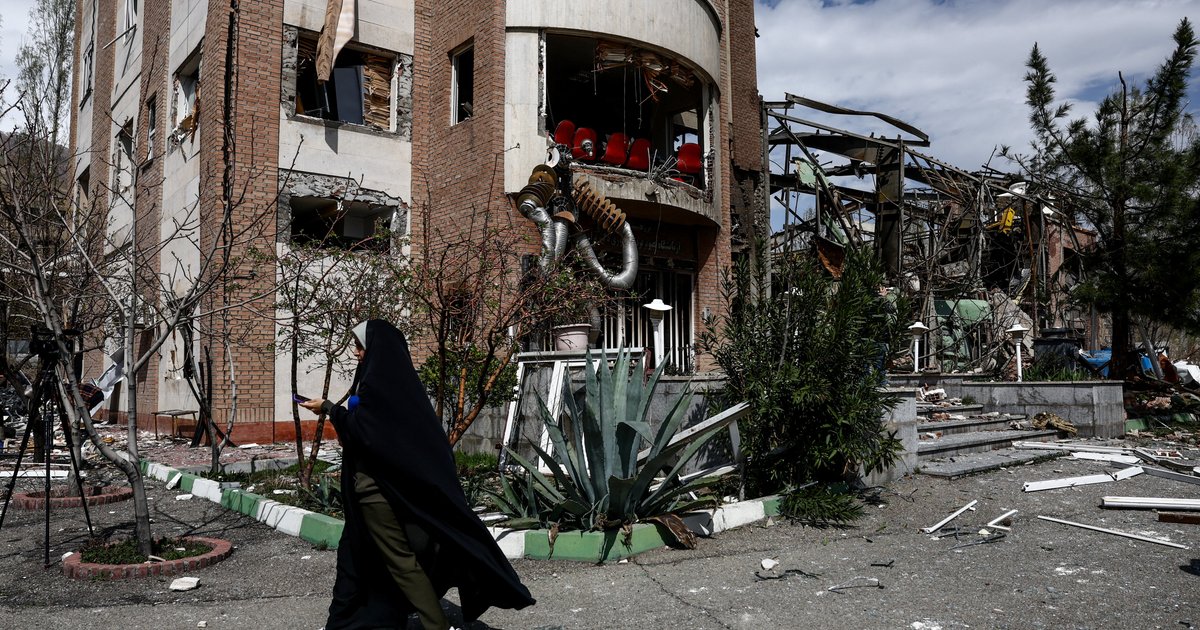
The city of Eilat, located in southern Israel, experienced a drone attack launched from Yemen, an incident that is considered the first of its kind targeting this city directly. Israeli military reports confirmed that this attack was part of a "coordinated assault" involving entities from Iran and Lebanon, complicating the security situation in the region.
In a statement released by the Houthi group, they confirmed their participation in this attack, targeting "several vital military sites." The Houthis indicated that this attack is a response to what they described as Israeli aggression against Yemen, reflecting the rising tensions in the area.
Details of the Incident
The sound of explosions was heard in Eilat, as well as in other areas such as Jerusalem and the Greater Tel Aviv area, causing panic among residents. This attack is viewed as an escalation in the regional conflict, demonstrating the Houthis' capability to conduct military operations beyond their borders, potentially strengthening their position in the ongoing conflict in Yemen.
Israeli reports indicated that air defenses intercepted some of the drones, but the attack resulted in damage to certain sites. This incident serves as a clear message from the Houthis that they are capable of striking Israeli targets, thereby reinforcing their stance in the regional conflict.
Background & Context
Historically, the region has witnessed an increase in armed conflicts, with the Houthis being one of the main parties in the ongoing Yemeni conflict since 2014. The Houthis have received military support from Iran, complicating the regional situation further. Attacks on Israel are considered part of the Houthis' strategy to showcase their strength and ability to respond to any aggressions.
In recent years, attention has shifted to the Yemeni conflict and its impact on regional security, with increased attacks on Saudi and Israeli targets, indicating a shift in the Houthis' strategy to utilize drones as a means of retaliation against their adversaries.
Impact & Consequences
This attack is seen as a turning point in the conflict, demonstrating that the Houthis are capable of executing military operations outside their borders, which could lead to greater escalation in the dispute. Israel is likely to respond militarily to this attack, potentially resulting in further escalation in the region.
The rising tensions could affect regional security, as these attacks may encourage escalation between Israel and Iran, complicating the situation in the Middle East. Additionally, this attack could impact relations between Arab states and Israel, especially in light of recent developments in Israeli-Arab relations.
Regional Significance
This attack reflects the increasing tensions in the region, indicating that the conflict in Yemen may extend to other countries, raising security concerns in neighboring states. Furthermore, this attack could affect peace efforts in the region, strengthening the Houthis' position and complicating dialogue opportunities.
In conclusion, this attack serves as a wake-up call for Arab countries, illustrating that regional conflicts can directly impact security and stability in the area. It is crucial for Arab nations to take steps to enhance security cooperation to address the growing challenges.