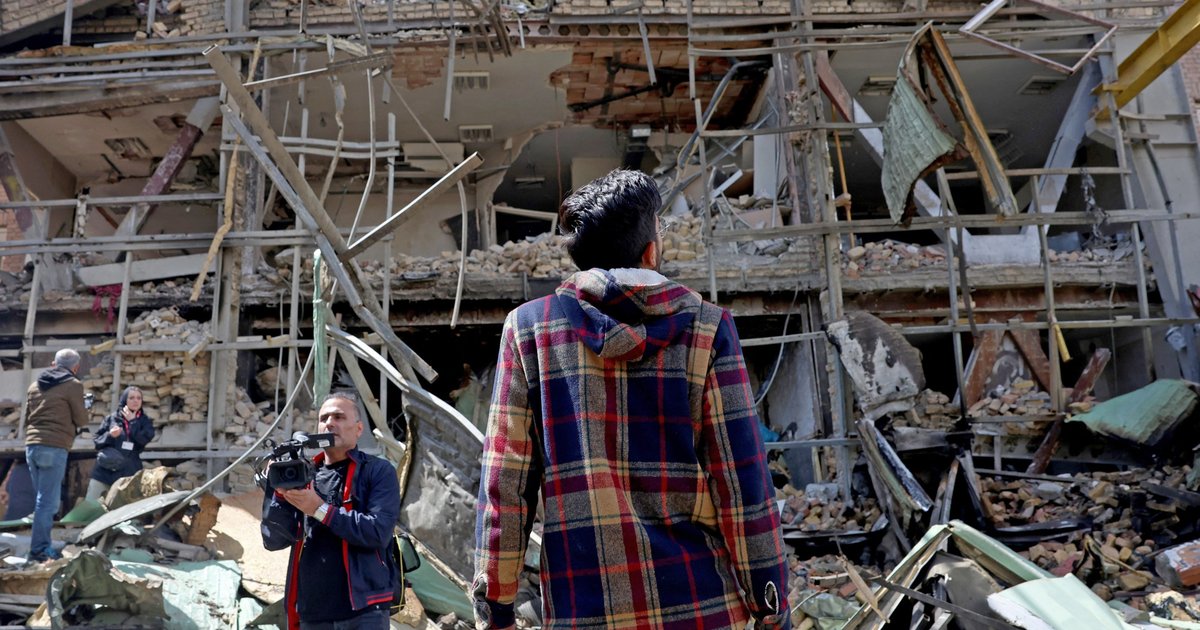
The Kuwaiti Ministry of Electricity and Water announced that two vital facilities for electricity generation and water desalination in the country were attacked by Iranian drones, causing significant material damage. The ministry's spokesperson, Fatima Abbas Jawhar Hayat, confirmed that this "criminal aggression" led to the shutdown of two power generation units, while no human injuries were reported.
These attacks come as part of a series of assaults targeting infrastructure in Kuwait, where the country has previously witnessed drone attacks that resulted in a fire at the Shuwaikh Oil Complex, causing substantial damage to another government complex.
Details of the Incident
The recent attacks are considered a serious escalation in regional tensions, as drone attacks have increased in recent years, raising concerns about the security of vital infrastructure in Kuwait. The Ministry of Electricity and Water confirmed that the attacks disrupted essential services, affecting the daily lives of citizens.
Electricity and water facilities are sensitive targets, as the country heavily relies on them to meet the needs of its population. The recent attacks demonstrate how political tensions in the region can impact basic services, necessitating a swift government response to protect these facilities.
Background & Context
Historically, Kuwait has witnessed numerous regional tensions, especially amid ongoing conflicts in the Middle East. Drone attacks have become a common weapon in modern conflicts, used by many countries as a means to exert pressure on their adversaries. In this context, Kuwait is one of the countries facing increasing threats from these attacks, prompting the need to enhance its defensive capabilities.
In recent years, Iran has ramped up its use of drones as part of its military strategy, putting Gulf countries, including Kuwait, on constant alert. The recent attacks illustrate how this strategy can affect regional security.
Impact & Consequences
The attacks on electricity and water facilities in Kuwait could lead to significant economic and social repercussions. The disruption of essential services can affect the daily lives of citizens, increasing pressure on the government to provide rapid alternatives. Additionally, these attacks may escalate tensions between Kuwait and Iran, potentially negatively impacting diplomatic relations in the region.
Moreover, these events could lead to increased spending on defense and security, as the Kuwaiti government seeks to bolster its capabilities to address rising threats. This could impact the national budget, necessitating a reassessment of economic priorities.
Regional Significance
The attacks on Kuwait are part of a larger picture of conflicts in the region, where tensions between Iran and Gulf countries are escalating. These events highlight how regional conflicts can affect neighboring countries, calling for greater cooperation among Arab nations to enhance security and stability.
Under these circumstances, Arab countries must adopt joint strategies to address security threats and strengthen cooperation in defense and security fields. Additionally, enhancing diplomatic dialogue among countries can contribute to reducing tensions and achieving stability in the region.