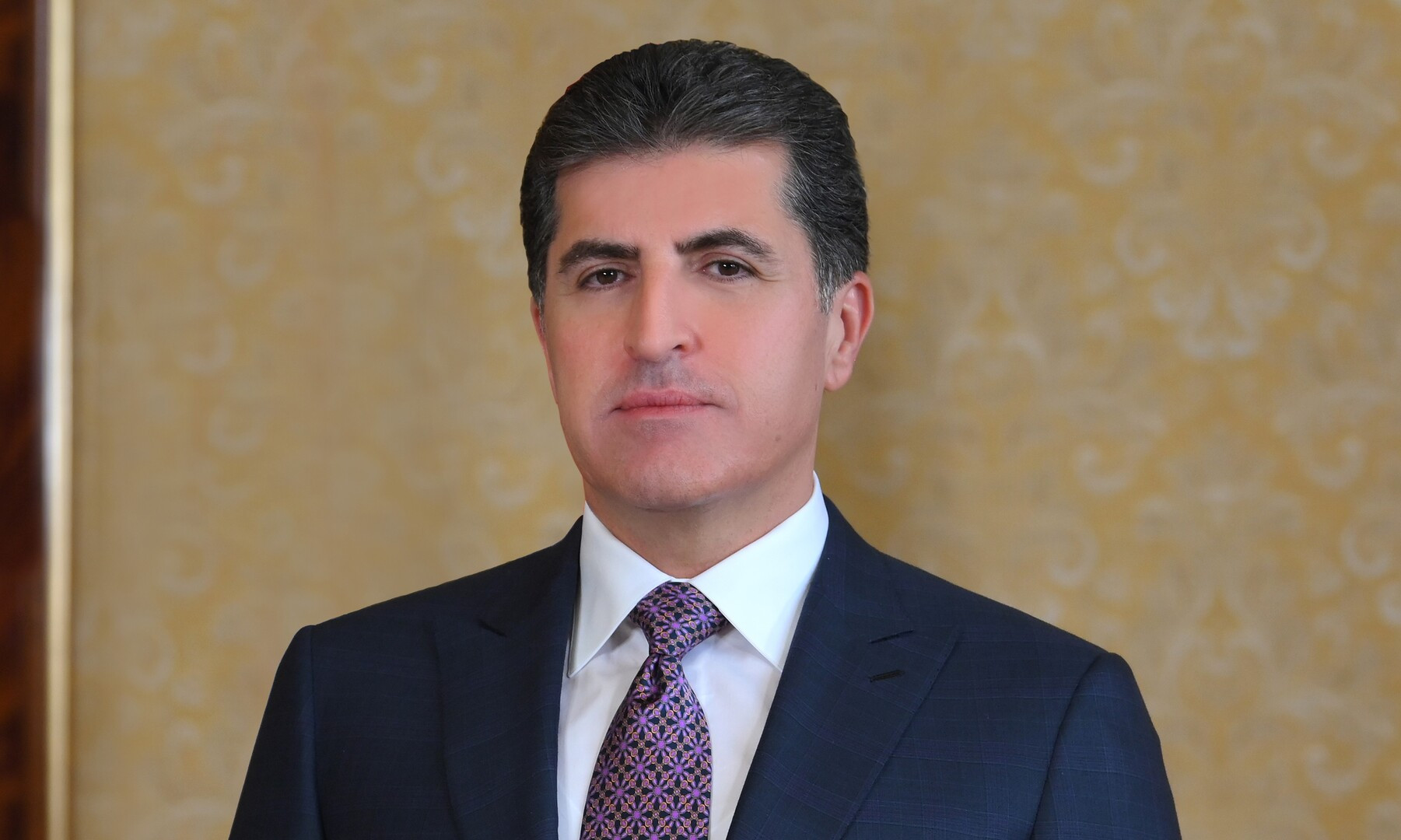
Iraqi Prime Minister Mohammed Shia' al-Sudani has ordered a joint investigation following a drone strike on the home of Nechirvan Barzani, the President of the Kurdistan Region, in the city of Duhok. The incident, which occurred late last night, has raised widespread concern among political and security circles in Iraq, especially given the increasing tensions in the region.
The drone targeted the residence without causing any injuries, but the incident highlights the security risks faced by the area and reflects the state of instability that could affect relations between the central government in Baghdad and the Kurdistan Region.
Details of the Incident
According to security sources, the drone that targeted the home was of unknown identity, and no group has claimed responsibility for the attack so far. Following the incident, strict security measures have been activated in the area, with enhanced protection around homes and government facilities.
Al-Sudani, who expressed concern over the incident, emphasized the need to investigate the circumstances of the attack and identify those responsible. He also called for increased cooperation between security forces in Baghdad and Erbil to ensure the safety of citizens.
Background & Context
This incident comes at a sensitive time for Iraq, as the country is experiencing increasing political and security tensions. Relations between the Iraqi government and the Kurdistan Region have seen strains in recent years, particularly over oil and resource issues, complicating the security situation further.
The Kurdistan Region enjoys autonomy, but tensions with the central government in Baghdad remain, raising fears of escalating violence in the area. Drone attacks have become a growing phenomenon in Iraq, used by various armed groups for political and military purposes.
Impact & Consequences
The attack on Barzani's home could lead to heightened tensions between the Iraqi government and the Kurdistan Region, complicating national reconciliation efforts. It may also affect the security stability in the region, as armed groups might feel emboldened to carry out similar attacks.
The potential repercussions of this attack could include increased political division in Iraq and heightened sectarian divides, which may exacerbate the security situation. Additionally, this incident could impact Iraq's international relations, as external powers might intervene in the conflict if tensions continue.
Regional Significance
Events in Iraq have significant implications for the broader Arab region, as Iraq's stability is a crucial factor for the stability of neighboring countries. Any escalation in tensions could affect regional security and may lead to an influx of refugees or increased military activities in border areas.
Moreover, drone attacks may raise concerns among neighboring countries, which might perceive them as a threat to their national security. Under these circumstances, the situation in Iraq remains under close observation, with everyone looking forward to the outcomes of the investigations and their potential ramifications.