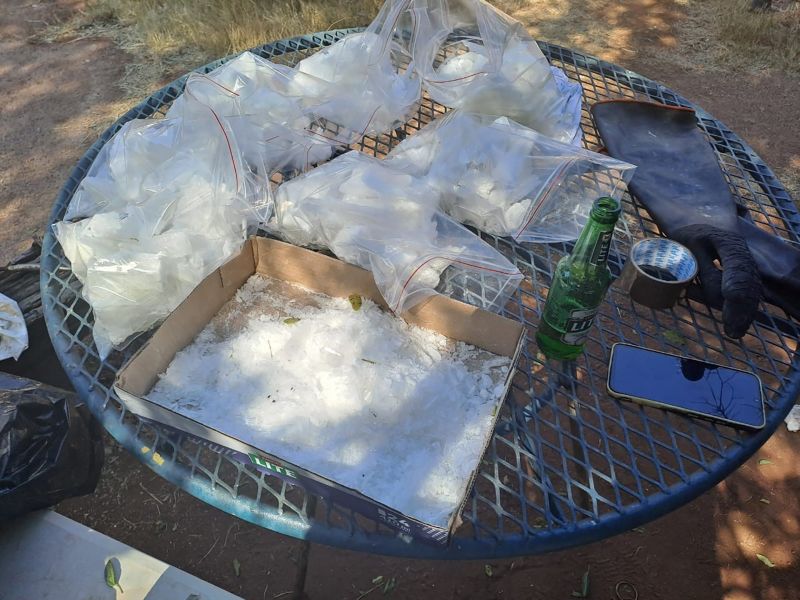
The Drug Enforcement Administration in the country has announced its success in thwarting an attempt by a criminal network to manufacture crystal, considered one of the most dangerous and widely spread drugs in the world. The operation, executed by security forces, resulted in the seizure of large quantities of raw materials and equipment used in the production of this lethal substance.
This operation is part of the government's efforts to combat the spread of drugs, which have become a significant threat to social and health security. The operation was carried out after gathering precise information about the network's activities, which helped in pinpointing its location and apprehending it.
Details of the Operation
During the operation, drug enforcement forces managed to apprehend several suspects who were working within this network. Secret laboratories used for crystal production were also discovered, along with large quantities of chemicals utilized in the manufacturing process. These materials are considered extremely dangerous, as they can lead to devastating health effects on individuals and society.
This operation highlights the challenges faced by authorities in combating drug trafficking, as smuggling and manufacturing methods become increasingly complex. Sources confirmed that the network was working to expand its operations, necessitating intensified security efforts to confront it.
Background & Context
Crystal is regarded as a synthetic drug that has spread significantly in recent years, being widely used in many countries. This substance is known for its powerful effects on the nervous system, leading to rapid addiction and serious health consequences. Many countries have witnessed a noticeable rise in addiction cases and crimes associated with this substance.
Governments in the region are striving to enhance security cooperation to combat this phenomenon, as drugs are issues that affect social security and stability. Numerous awareness campaigns have been launched to curb drug spread, alongside strengthening laws to combat drug traffickers.
Impact & Consequences
This operation is a significant step in the fight against drugs, demonstrating the authorities' commitment to addressing this issue. It is expected that this operation will reduce the activities of the network, contributing to limiting the spread of crystal in society.
However, challenges remain, as it is anticipated that other networks will seek to fill the gap left by this one. Therefore, continued security and awareness efforts will be essential to tackle this phenomenon.
Regional Significance
Drugs are a pressing issue affecting many Arab countries, where addiction rates and related crimes are on the rise. The success of the Drug Enforcement Administration in thwarting this network serves as a model for the region, potentially enhancing the efforts of other countries in addressing this phenomenon.
Cooperation among Arab countries in drug enforcement is crucial, as the exchange of information and experiences can bolster security efforts. Community awareness also plays a vital role in reducing drug spread, necessitating intensified awareness campaigns in schools and communities.
The thwarting of this network underscores the importance of ongoing efforts to combat drugs and enhances hope for achieving a drug-free society. Continued collaboration among all stakeholders is required to realize this goal.