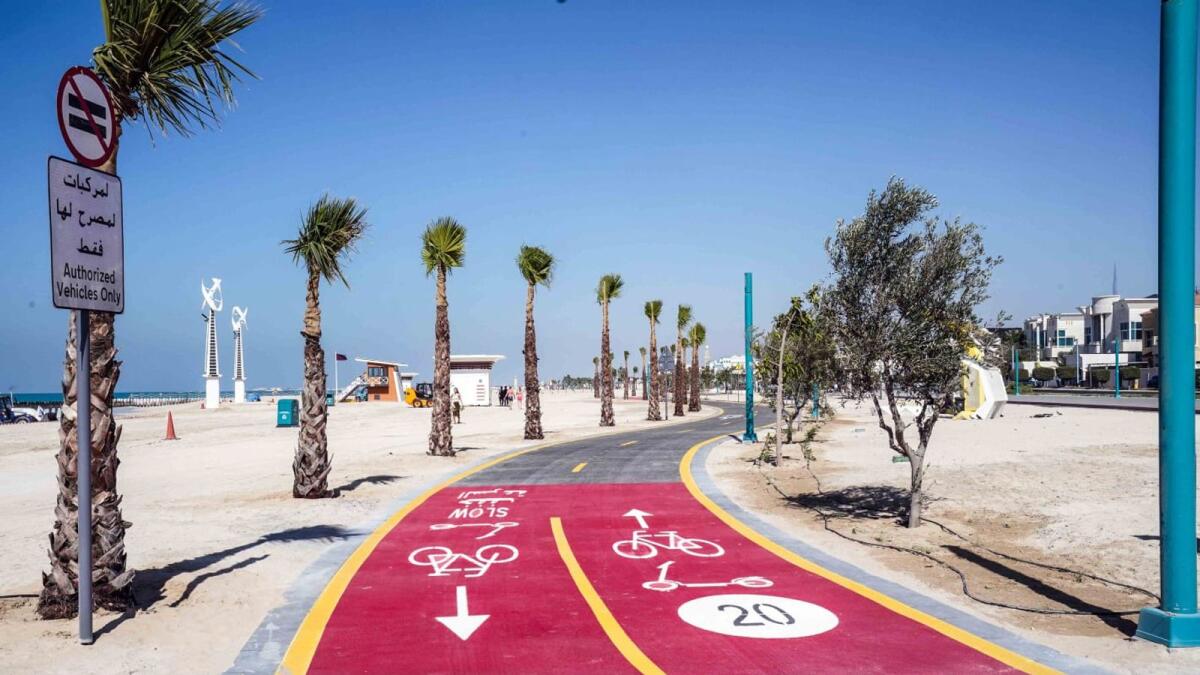
Dubai has announced the expansion of its bicycle network by adding 13 new routes, enhancing sustainable transport options and encouraging cycling as a means of mobility. This expansion aligns with the city's vision to become more environmentally friendly and aims to improve the quality of life in the city.
The new routes are distributed across various areas of Dubai, making them easily accessible to residents and visitors. These routes have been designed to be safe and comfortable, equipped with dedicated traffic signals for bicycles, reflecting the city's commitment to promoting a cycling culture.
Event Details
The newly added routes in Dubai extend over 100 kilometers, contributing to an overall bicycle network length of more than 500 kilometers in the city. The locations have been carefully selected to include residential and commercial areas, facilitating easy mobility for residents.
Through this initiative, Dubai aims to reduce traffic congestion and promote public health by encouraging people to engage in physical activity. The routes are designed to be suitable for all age groups, making them an ideal choice for families.
Background & Context
Dubai is considered one of the fastest-growing cities in the world and has made significant strides towards achieving sustainable development goals. In recent years, the city has seen an increase in the number of bicycles, reflecting a shift in residents' behavior towards more sustainable transport options.
This step is part of Dubai's smart mobility strategy, which aims to improve the city's transport system and make it more efficient. The city also seeks to reduce carbon emissions and promote the use of renewable energy.
Impact & Consequences
The expansion of the bicycle network in Dubai is expected to improve air quality and reduce pressure on the public transport system. This step may encourage more people to use bicycles as a means of transportation, leading to decreased traffic congestion.
Moreover, promoting a cycling culture can contribute to improving the public health of residents, as engaging in physical activity is a crucial part of a healthy lifestyle. These initiatives may also boost tourism in the city, allowing visitors to explore attractions by cycling.
Regional Significance
Dubai's experience in expanding its bicycle network serves as a model for other Arab cities. With the growing awareness of the importance of sustainable transport, these initiatives can inspire other cities in the region to adopt similar strategies.
These efforts can enhance eco-tourism and encourage investments in sustainable transport projects, reflecting the commitment of Arab countries to achieve sustainable development goals.
In conclusion, the expansion of the bicycle network in Dubai demonstrates the city's commitment to promoting a healthy and sustainable lifestyle, reflecting a forward-looking vision aimed at improving the quality of life for both residents and visitors alike.