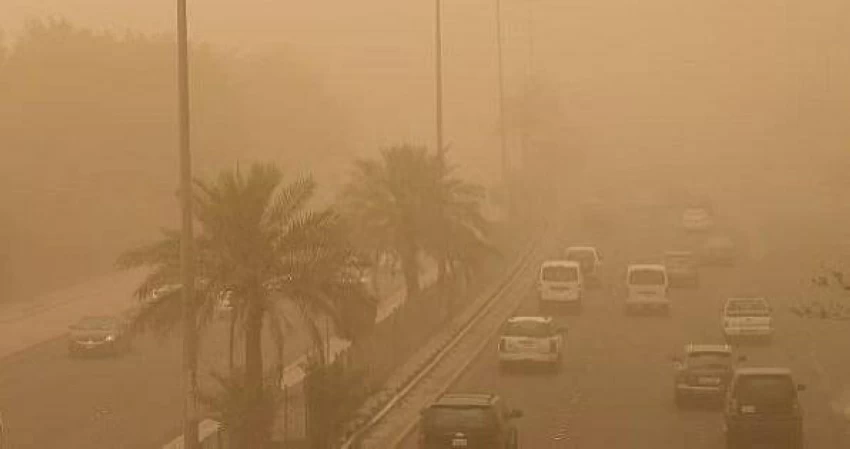
The National Center of Meteorology has issued an urgent warning regarding the impact of dust particles on the atmosphere in the city of Jeddah, where this condition is expected to lead to a noticeable reduction in horizontal visibility. According to forecasts, this weather condition will begin at 8 AM and continue until 4 PM, necessitating caution from citizens and residents.
Dust particles are a recurring weather phenomenon during the summer, causing reduced visibility that may affect traffic flow and driving safety. Drivers are advised to exercise caution and follow preventive guidelines, especially on highways and open areas.
Details of the Event
Weather forecasts predict that dust particles will cause visibility levels to drop to less than 2 kilometers in some areas. The impact of this weather condition may extend to neighboring regions, increasing the importance of monitoring updates issued by relevant authorities. Individuals, particularly those with respiratory issues, are advised to avoid going out unless necessary.
This warning comes at a time when Jeddah is experiencing rising temperatures, which increases the likelihood of such weather phenomena. The National Center of Meteorology is closely monitoring the weather condition to provide accurate information to citizens.
Background & Context
Dust particles are part of the desert climate that affects many regions in the Kingdom of Saudi Arabia, especially during the summer. Jeddah has witnessed similar cases in previous years, where sandstorms disrupted traffic and impacted the daily lives of residents.
Being a coastal city, Jeddah is affected by climate changes and weather conditions, making it susceptible to such phenomena. In this context, the National Center of Meteorology aims to improve the early warning system for such cases to ensure the safety of citizens.
Impact & Consequences
Dust particles directly affect visibility, increasing the risk of traffic accidents. This condition may also lead to an increase in cases of asthma and allergies, particularly among individuals with pre-existing health issues. Therefore, it is important for individuals to take necessary precautions to protect their health.
These weather conditions require relevant authorities to enhance public awareness on how to deal with such situations, including providing advice and guidance to drivers and citizens. Schools and government entities should also take necessary measures to ensure the safety of students and staff.
Regional Significance
Many Arab countries, especially those located in desert areas, experience similar cases of dust particles and sandstorms. This issue is part of the climatic challenges facing the region, necessitating regional cooperation to address these phenomena.
These challenges require effective strategies to adapt to changing climatic conditions, including improving infrastructure and developing early warning systems. Additionally, enhancing public awareness about the effects of these phenomena can contribute to reducing risks to public health and safety.
In conclusion, dust particles remain a natural phenomenon that requires everyone to adhere to preventive guidelines and be prepared to face their effects. It is important to follow updates from relevant authorities to ensure public safety.