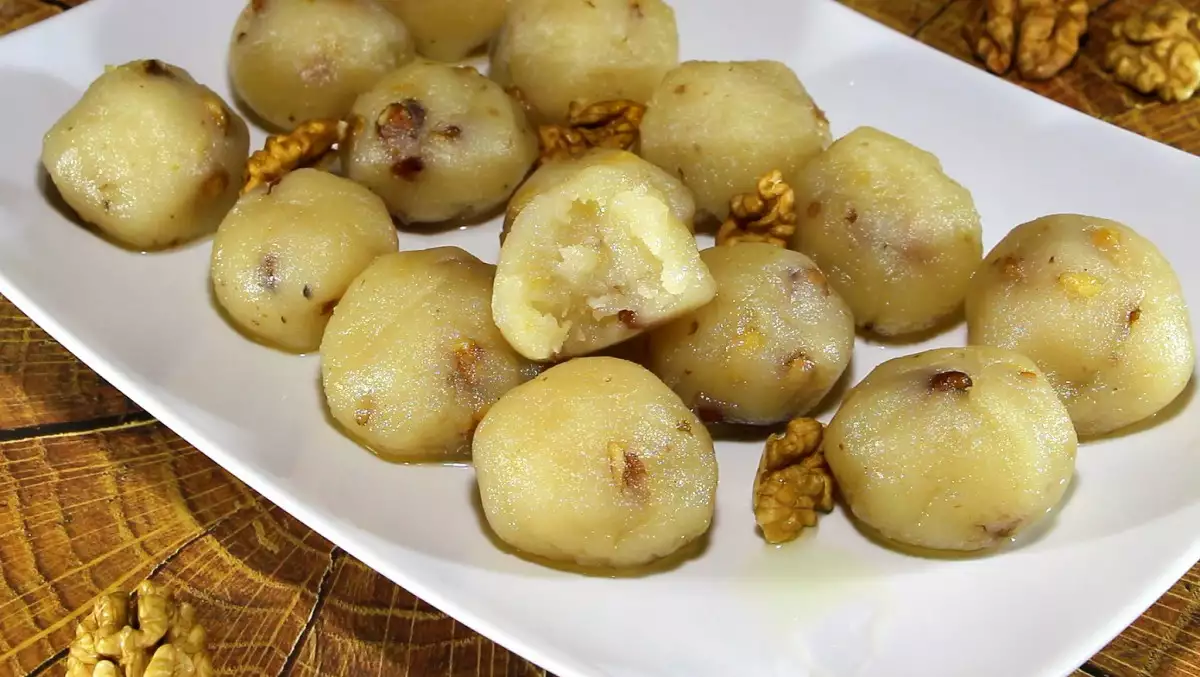
Tahini halva is a traditional dessert that characterizes Arab cuisine, enjoying immense popularity among both adults and children. With rising prices in markets, it has become essential to learn how to prepare it at home, saving families a significant amount of money.
Making tahini halva at home is not difficult; it requires only a few simple ingredients and easy steps. Common household ingredients can be used, making it an ideal choice for those who wish to enjoy its delicious taste without purchasing it from stores.
Preparation Details
Tahini halva primarily consists of tahini and sugar, and various flavors such as vanilla or nuts can be added according to preference. To prepare it, simply mix tahini with sugar in a bowl, then heat the mixture over low heat while stirring continuously until it thickens. After that, pour the mixture into a mold and let it cool before cutting.
This method is a great way to enjoy fresh tahini halva, allowing individuals to control the ingredients used, making it a healthier option.
Background & Context
The history of tahini halva dates back several centuries, as it was considered a favorite food during occasions and celebrations. Over time, it has become an integral part of the culinary culture in many Arab countries. With increasing health awareness, many people have started looking for ways to prepare traditional foods in a healthier manner.
Tahini halva is a rich source of energy, containing healthy fats and proteins. However, it should be consumed in moderation due to its high sugar content.
Impact & Consequences
Preparing tahini halva at home can have a positive impact on the local economy by reducing reliance on imported products. This trend also promotes the culture of home cooking, contributing to strengthening family bonds through sharing recipes and cooking experiences together.
Moreover, learning how to prepare traditional foods can be a means of preserving cultural heritage and enhancing national identity, especially among younger generations.
Regional Significance
Tahini halva is a dessert that brings together various Arab cultures, as it is found in most Arab countries but in different forms. This diversity reflects the richness of the Arab culinary heritage and enhances cultural exchange between nations.
In light of the current economic conditions, learning how to prepare traditional foods at home can have a positive impact on Arab families, helping them save money while enjoying familiar flavors.
Making tahini halva at home is not just a way to save money; it is also an opportunity to relive beautiful memories and enjoy an authentic taste that reflects Arab heritage.