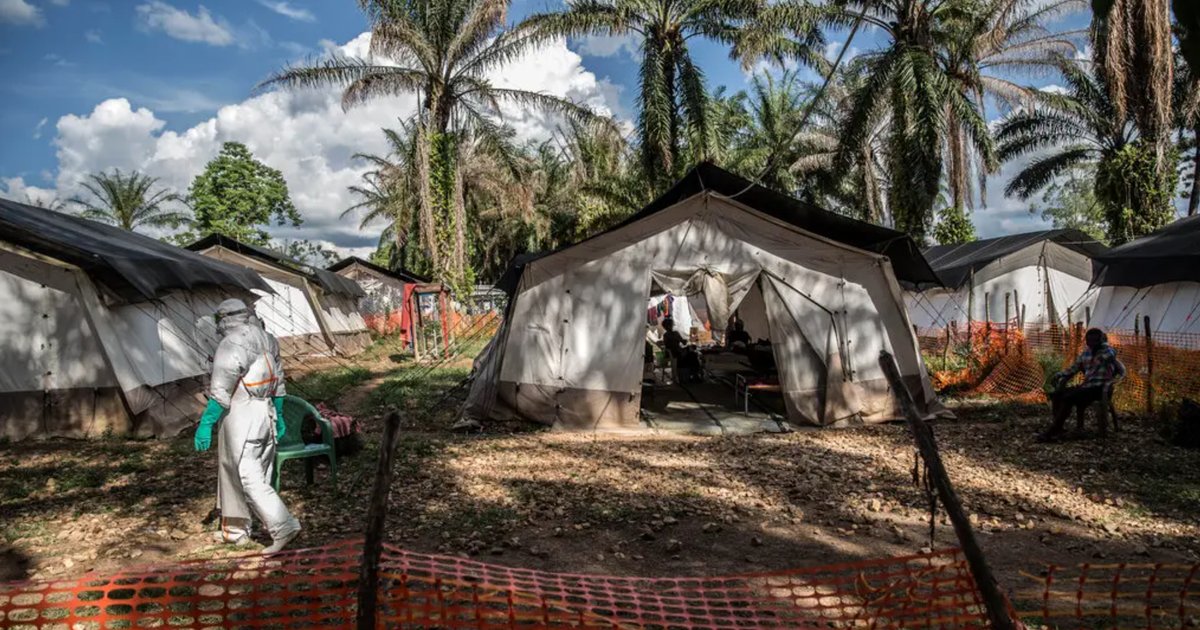
The World Health Organization has announced that the Ebola outbreak in the Democratic Republic of the Congo has begun to accelerate significantly, necessitating an update to the organization's risk assessment. This announcement comes at a crucial time as health authorities work to contain the virus and prevent its spread to other areas.
The Director-General of the World Health Organization, Dr. Tedros Adhanom Ghebreyesus, emphasized that the situation requires a swift and effective response from all stakeholders involved. He noted that the virus has spread to new areas, increasing the challenges faced by medical teams and health authorities.
Details of the Outbreak
According to reports, there has been a rising number of Ebola virus cases in recent weeks, with new cases being reported in areas that were previously considered safe. This increase in cases raises concerns among health experts, who warn that the virus may spread faster than anticipated.
The World Health Organization is working in collaboration with the Congolese government to enhance efforts to curb the spread of the virus. These efforts include providing vaccines and treatment for those affected, as well as raising public awareness on how to prevent the virus.
Background & Context
The Ebola virus is a highly contagious disease that can lead to death, and the Democratic Republic of the Congo has experienced several outbreaks of this virus in recent years. The first documented outbreak of the virus dates back to 1976, and since then, numerous cases have been recorded in various regions of the country.
The Democratic Republic of the Congo is considered one of the most affected countries by the Ebola virus, lacking the necessary health infrastructure to combat epidemics. This situation makes it difficult to control the outbreak, requiring ongoing international support.
Impact & Consequences
The Ebola outbreak in Congo is a concern not only for the country but also for neighboring nations. The spread of the virus could lead to significant economic and social repercussions, as trade and tourism may be notably affected.
Furthermore, the outbreak may increase pressure on health systems in neighboring countries, necessitating greater preparedness to handle any potential cases. It is crucial for countries in the region to collaborate in addressing this health challenge.
Regional Significance
Although there have been no recorded cases of Ebola in Arab countries so far, the outbreak in Congo raises fears about the possibility of its spread to other regions. Arab nations must enhance their preparedness to face any emergency situations, including strengthening healthcare systems and developing effective response plans.
In conclusion, the current situation requires a concerted effort from both international and local communities to mitigate the spread of the Ebola virus and ensure the safety of communities worldwide.