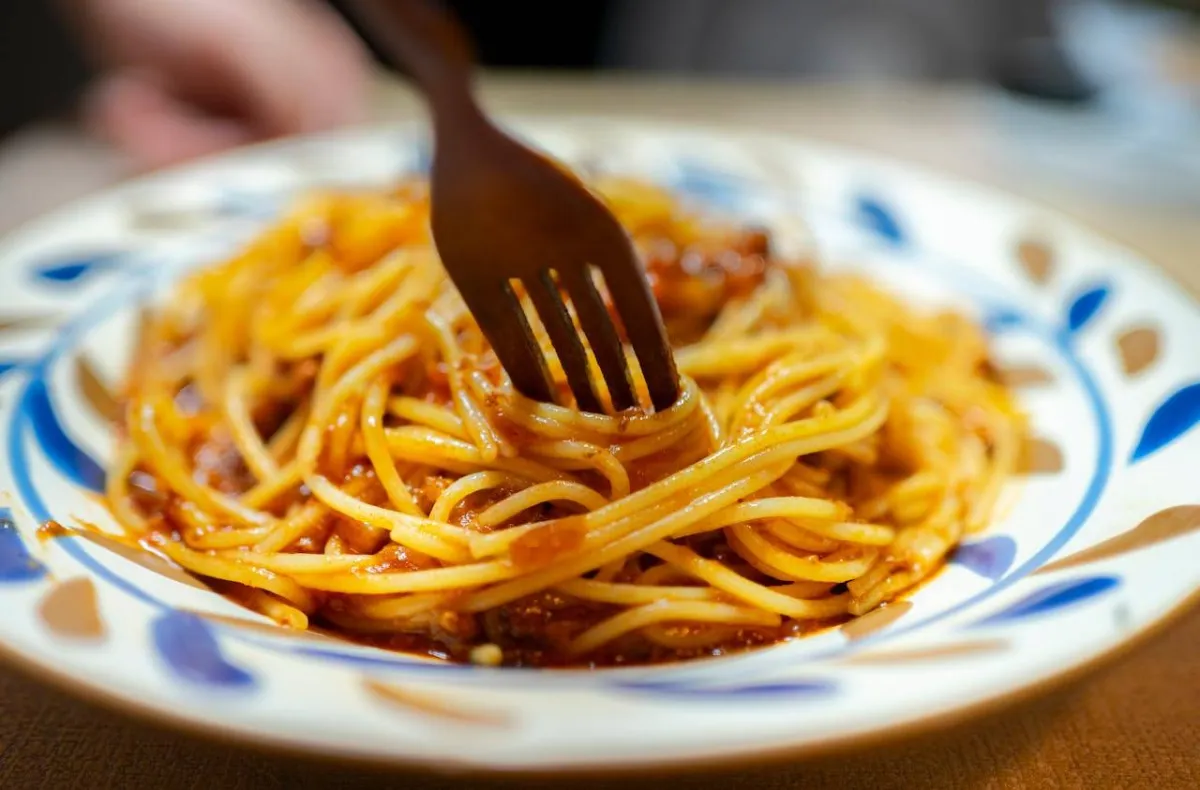
Despite the common belief that pasta raises blood sugar levels, research indicates that its impact depends on preparation and consumption methods. Nutrition experts affirm that healthy choices can aid in glucose management.
Pasta contains large amounts of carbohydrates, but its structure gives it a relatively low glycemic index compared to some other foods. Traditional pasta, made from wheat, has cohesive starch granules that are digested slowly, leading to a lower glycemic response compared to white rice, as shown in a study published in 2019.
Cooking Methods and Their Effects
The way pasta is cooked significantly affects how the body responds to glucose. For instance, cooking pasta "al dente" (firm to the bite) slows down the digestion process, while overcooking it causes it to break down more quickly, resulting in a faster rise in blood sugar levels. Portion size also plays a crucial role, as consuming large servings increases the carbohydrate load and raises blood sugar more noticeably.
When pasta is consumed frequently, the body is exposed to repeated amounts of carbohydrates, necessitating insulin secretion to transport glucose into cells. For some individuals, particularly those with insulin resistance, this can lead to greater spikes in blood sugar after meals.
Background & Context
Research indicates that carbohydrate-rich meals increase the burden on the body to secrete insulin, which can cause greater spikes in blood sugar after eating, especially in diabetes patients. However, these findings do not mean that pasta should be banned; rather, the overall dietary pattern is the most important factor.
Portion sizes can be reduced to lessen the burden on insulin, and pairing pasta with protein or fiber can help mitigate glucose spikes. Additionally, choosing whole grain pasta is preferred for supporting long-term blood sugar control.
Impact & Consequences
The components of a meal generally affect the body's glucose response. Adding protein, vegetables, and healthy fats slows digestion and alleviates post-meal blood sugar spikes. For example, incorporating chicken, legumes, or seafood slows digestion, while vegetables increase fiber and reduce peak blood sugar levels.
Creamy sauces or cheese can delay stomach emptying, altering the timing of glucose spikes. Research also shows that consuming cold or reheated pasta may have a positive effect on blood sugar levels.
Regional Significance
Pasta is a common food in many Arab countries, making it important to understand its impact on blood sugar levels. Proper dietary guidelines can help improve overall health and reduce the risk of chronic diseases such as diabetes.
Ultimately, it is recommended to adopt a balanced diet that includes pasta in moderation, focusing on how it is prepared and its ingredients, contributing to better overall health.