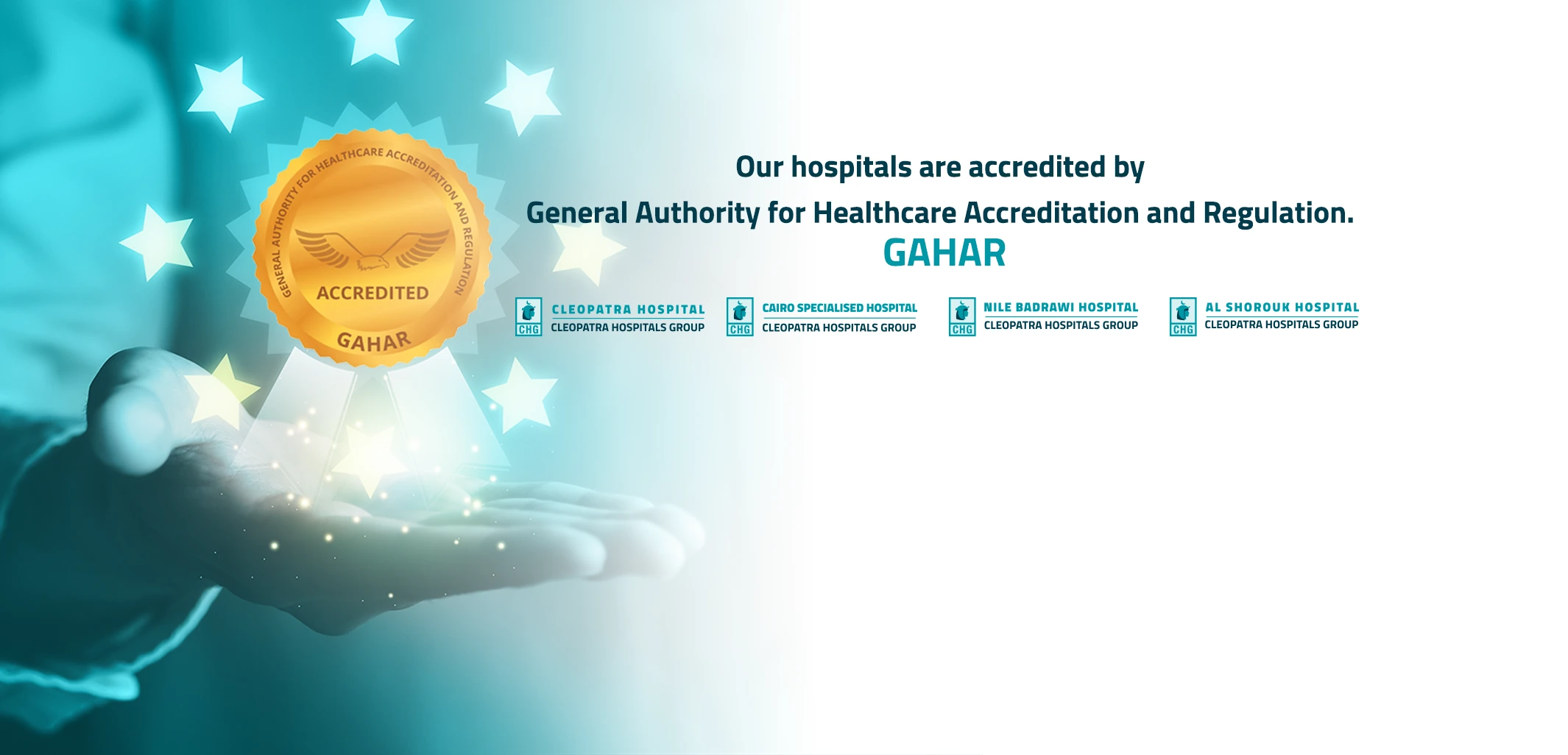
The Egyptian Ministry of Health and Population has successfully accredited six specialized hospitals with full accreditation from the General Authority for Health Accreditation and Control (GAHAR), while twelve other hospitals have received preliminary accreditation. This announcement is part of the ministry's continuous efforts to improve the quality of healthcare services provided to citizens.
This initiative is a key component of the ministry's strategy to elevate healthcare standards in Egypt, aiming to implement global quality standards across all health facilities. Accreditation from GAHAR is an indicator of hospitals' commitment to delivering exceptional medical services that align with international standards.
Details of the Accreditation
According to official data, the hospitals that received full accreditation include a range of health facilities offering specialized services in various fields, such as surgery, physical therapy, and intensive care. The hospitals that achieved preliminary accreditation represent a first step towards obtaining full accreditation in the near future.
The General Authority for Health Accreditation and Control evaluates hospitals based on a set of criteria, including the quality of services, the efficiency of medical staff, and patient satisfaction. This evaluation contributes to enhancing the overall performance of health facilities and strengthens citizens' trust in the healthcare system.
Background & Context
The General Authority for Health Accreditation and Control was established in Egypt with the aim of improving the quality of health services and ensuring their standards. These efforts align with the state's vision to develop the healthcare sector, with substantial budgets allocated for modernizing hospitals and training medical staff.
Historically, Egypt has faced significant challenges in the healthcare sector, but with the focus on accreditation and regulation, the government aims to turn these challenges into opportunities for improving the healthcare system. Accreditation from GAHAR represents an important step towards achieving this goal.
Impact & Consequences
Accredited hospitals enjoy multiple advantages, including increased trust from patients and improved opportunities for funding and support from international entities. Additionally, accreditation enhances hospitals' ability to attract distinguished medical professionals.
On a national level, accreditation can lead to improved public health and reduced disease rates, contributing to a higher quality of life for citizens. This may also positively impact the economy by lowering treatment costs and increasing productivity.
Regional Significance
Egypt's experience in health accreditation and regulation serves as a model for other Arab countries. Many Arab nations face similar challenges in enhancing the quality of healthcare, and they can benefit from Egypt's experiences in this field.
Thanks to these efforts, Arab countries may move towards strengthening cooperation in health, contributing to the overall improvement of healthcare services in the region.
In conclusion, the accreditation of hospitals is a significant step towards improving the quality of healthcare in Egypt and reflects the government's commitment to developing this vital sector. These efforts are expected to enhance trust between citizens and the healthcare system, benefiting society as a whole.