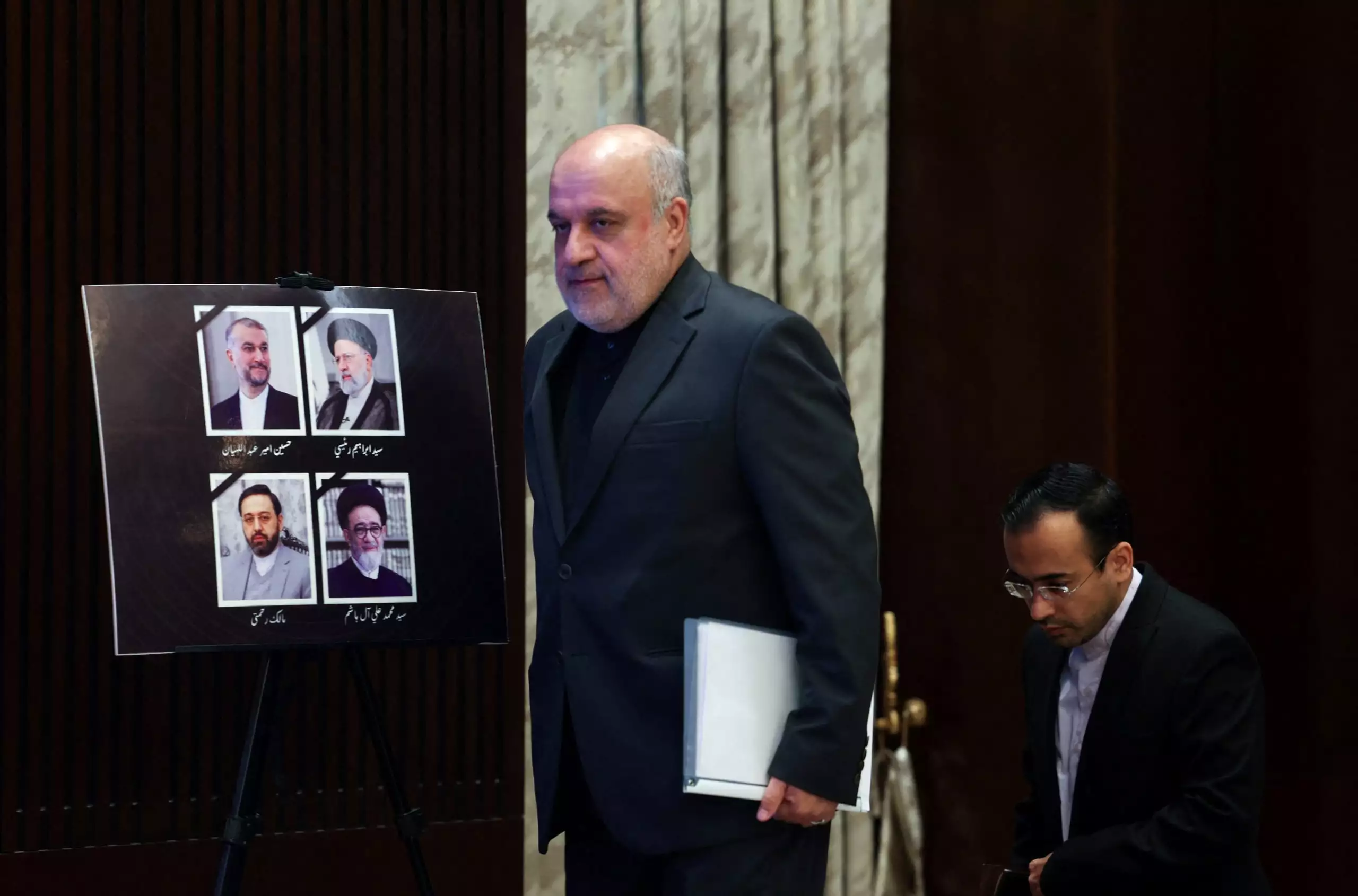
The Egyptian ambassador to Lebanon, Yasser Alawi, confirmed that the Egyptian government's decision regarding the appointment of Iran's ambassador in Lebanon is a sovereign decision, reflecting the state's independence in making diplomatic choices. This statement was made during a press conference, where he emphasized that the relations between Egypt and Iran require a delicate balance given the current regional circumstances.
Ambassador Alawi clarified that Egypt always seeks to maintain good relations with all countries, including Iran, pointing out that diplomatic dialogue is the best way to overcome any disagreements. He also stressed the importance of coordination among Arab countries to face the common challenges facing the region.
Details of the Event
The ambassador's statements come at a sensitive time for Arab-Iranian relations, as tensions in the region are rising due to political and security crises. The appointment of Iran's ambassador in Lebanon has sparked mixed reactions in political and media circles, with some considering that this decision could impact regional balances.
The Egyptian ambassador did not hide the importance of the role that Iran plays in the region, but he emphasized that relations should be based on mutual respect and common interests. He also noted that Egypt is closely monitoring developments in Lebanon and their impact on regional security.
Background & Context
Historically, Egyptian-Iranian relations have experienced numerous fluctuations, having been strong at one point before deteriorating after the Iranian revolution in 1979. Since then, Egypt has taken a cautious stance towards Iran, especially regarding its interventions in Arab affairs.
In recent years, some Arab countries, including Egypt, have attempted to reassess their relations with Iran amid the political changes in the region. However, concerns about Iranian influence in some Arab countries remain, making diplomatic dialogue an urgent necessity.
Impact & Consequences
The impact of the decision to appoint Iran's ambassador in Lebanon could extend to the relations between Arab countries and Iran in general. If this decision is handled cautiously, it may lead to improved relations between the two parties, while any escalation could exacerbate tensions.
On the other hand, the Egyptian ambassador's statements reflect Egypt's desire to play a mediating role in the region, which could contribute to enhancing its position as a supporter of stability in the Middle East. This role may be vital in light of the multiple crises faced by Arab countries.
Regional Significance
The Egyptian-Iranian relations are a crucial axis in regional politics, as they can influence many issues, including the conflicts in Syria and Iraq, and the crisis in Yemen. Improving relations between Egypt and Iran could contribute to achieving stability in these tense areas.
In conclusion, diplomatic dialogue remains the best option to overcome obstacles and achieve common interests. The recent statements by the Egyptian ambassador reflect a strategic vision aimed at enhancing Arab and regional cooperation, which may contribute to building a more stable future for the region.