Egyptian Foreign Minister Badr Abdel Atti confirmed during a press conference held in Beirut that his country rejects and condemns any Israeli ground incursion into Lebanon. He explained that Egypt is coordinating efforts with the French side to stop these military movements, stressing the importance of maintaining Lebanese sovereignty.
Abdel Atti's statements came after his meeting with Lebanese President Joseph Aoun at the presidential palace, where they discussed the security situation in the region. The Egyptian minister stated that Egypt is utilizing all its communications with regional and international parties to reduce tensions in the area.
Details of the Event
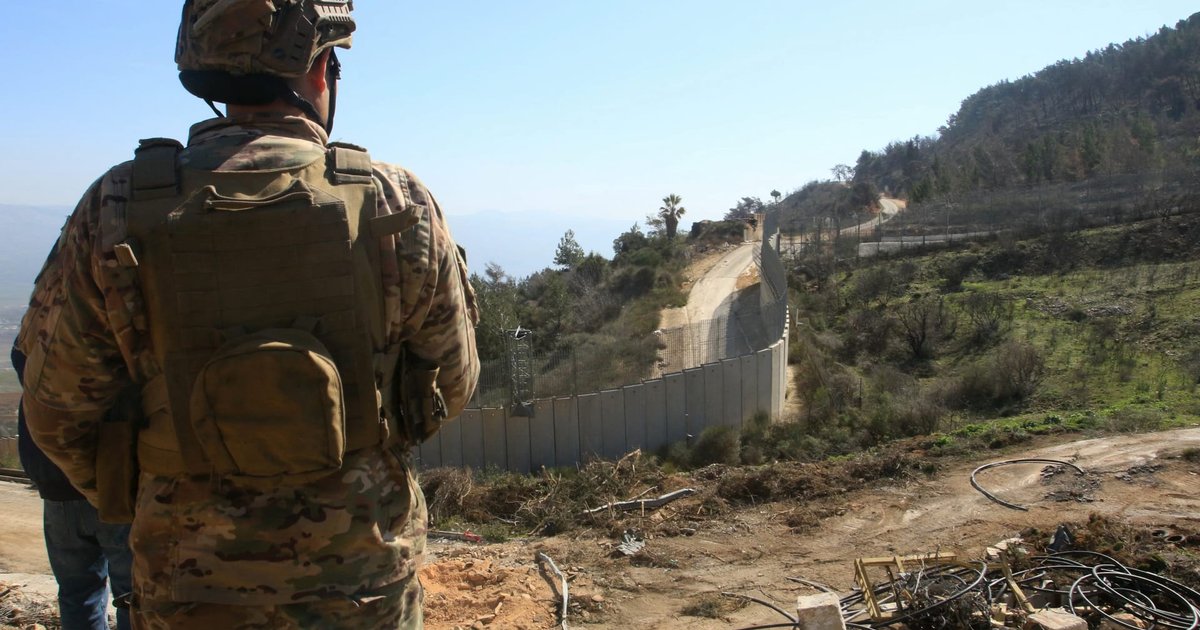
These statements come at a sensitive time when the Lebanese border with Israel is witnessing increasing tensions, raising fears of potential military escalation. Abdel Atti pointed out that Egypt is closely monitoring the situation and is working to enhance cooperation with concerned countries to ensure that no escalation occurs.
He also confirmed that Egypt considers any Israeli incursion into Lebanon a blatant violation of national sovereignty and a threat to security and stability in the region. He noted that Egypt will continue its diplomatic efforts to resolve crises in the region, including the Lebanese crisis.
Background & Context
Historically, the relations between Lebanon and Israel have been marked by ongoing tensions, with several wars and conflicts occurring over the decades. These conflicts have contributed to creating a state of instability in the region, making effective diplomatic efforts necessary to reduce tensions.
In recent years, fears of a new military escalation have increased, especially following recent events along the border. The coordination between Egypt and France is considered an important step in this context, as both countries play a pivotal role in regional politics.
Impact & Consequences
If any Israeli incursion into Lebanon were to occur, it could lead to widespread military escalation, negatively affecting regional security. Such movements could also exacerbate the humanitarian situation in Lebanon, which is already suffering from economic and social crises.
Egypt is considered a key player in the region, striving to achieve stability through enhanced cooperation with other countries. Its current efforts may help to calm the situation, but they require broad international support to achieve tangible results.
Regional Significance
The situation in Lebanon is part of the larger picture of regional security in the Middle East. Any military escalation could impact neighboring countries and heighten tensions among various factions. It could also affect peace efforts in the region and complicate attempts to achieve lasting stability.
Ultimately, hope remains pinned on diplomacy and joint efforts among Arab countries and major powers to achieve peace and stability in the region.