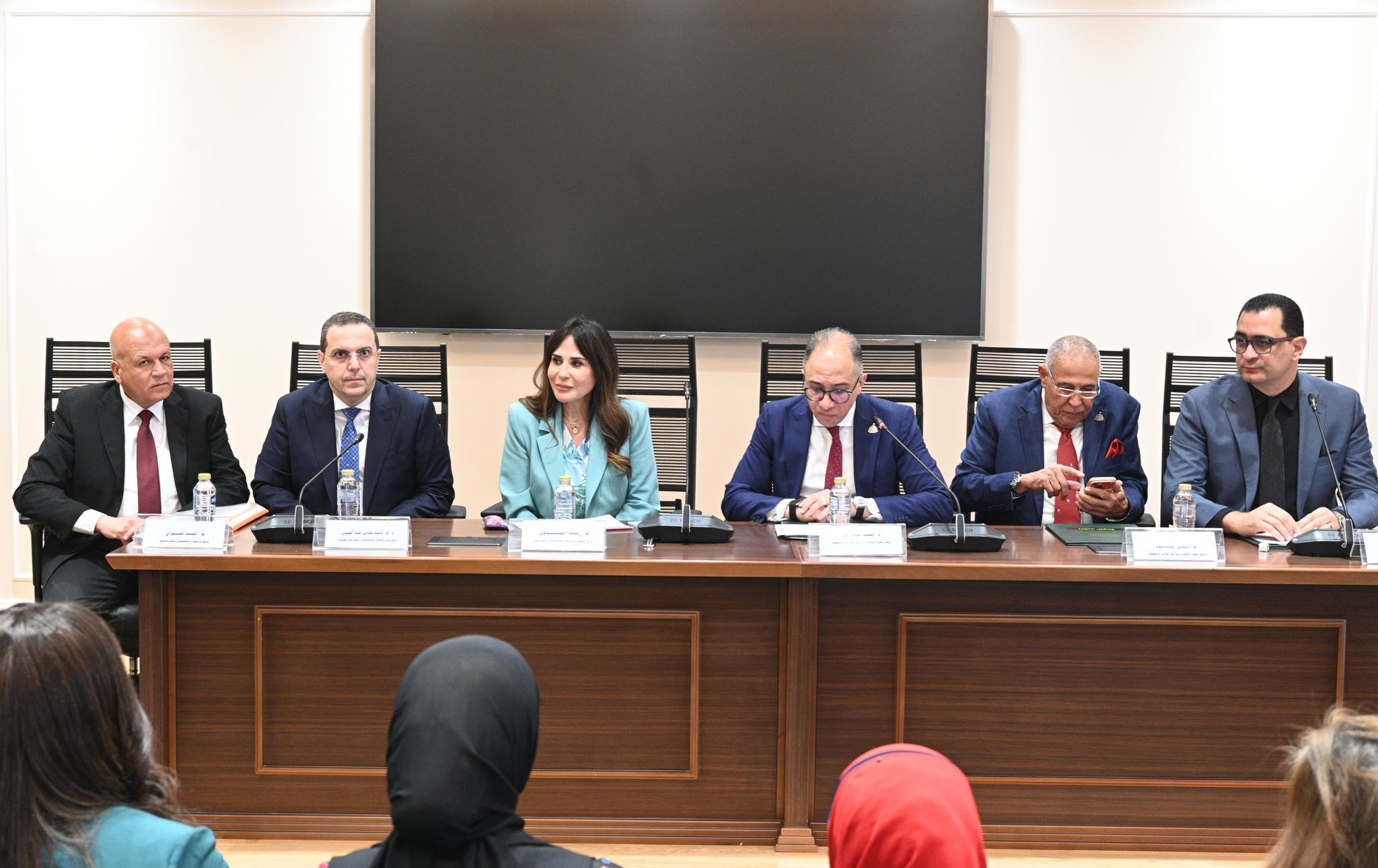
Engineer Randa Manshawi, the Minister of Housing, Utilities, and Urban Communities, outlined the ministry's strategy for enhancing urban development and improving the quality of life for citizens in Egypt during a meeting of the Housing and Public Utilities Committee in the House of Representatives. She emphasized that the ministry adopts a comprehensive vision to provide adequate housing for all segments of society.
The minister explained that the main pillars of the strategy include expanding the urban area to achieve the targets of Egypt's Vision 2030. Additionally, the national strategic plan for urban development (Egypt 2052) has been prepared, aiming to develop infrastructure and create new urban communities based on planning principles that ensure sustainable growth.
Event Details
The minister noted that the built-up area in Egypt has doubled from 7% in 2014 to 14% in 2026, with a target of reaching 17% by 2030. She also reviewed the status of housing projects, indicating that the total number of units is approximately 1.96 million units, of which 1.508 million units have been completed, and about 349 thousand units are currently under construction.
She added that urban expansion aims to redirect growth from random encroachment on agricultural land to the development of new cities, achieving sustainability and preserving resources. The minister highlighted efforts to update urban boundaries and halt encroachments, along with the establishment of modern transport corridors connecting existing cities with new ones.
Background & Context
In managing and operating new cities, the minister explained that the ministry is working on implementing an integrated system for asset and facility management in collaboration with specialized entities, which contributes to enhancing operational efficiency and service quality while attracting investments. She also reviewed the housing programs implemented by the state since 2014, which include the presidential initiative "Housing for All Egyptians," as well as alternative housing projects for informal settlements and middle-income housing.
The minister also addressed efforts to regulate the real estate development sector, which include developing legislative and regulatory frameworks, digital transformation, and applying the national real estate number, contributing to achieving discipline and transparency in the real estate market.
Impact & Consequences
In conclusion, Engineer Randa Manshawi reviewed the proposed investment plan for the ministry for the period from 2026 to 2030, with total investments estimated at about 714 billion pounds, in addition to the financial year 2026/2027 plan with total investments amounting to approximately 414 billion pounds. She confirmed the application of periodic monitoring mechanisms to ensure project implementation according to specified timelines and achieve the highest rates of completion.
These investments are part of ongoing efforts to improve the quality of life in Egypt, reflecting the government's commitment to promoting sustainable development and providing adequate housing for citizens.
Regional Significance
The effects of this strategy extend beyond Egypt's borders, reflecting similar trends in many Arab countries seeking to improve the quality of life through sustainable development projects. Enhancing infrastructure and providing adequate housing are priorities in the region, contributing to achieving social and economic stability.
In conclusion, these investment plans represent an important step towards achieving sustainable urban development in Egypt, enhancing the country's ability to face future challenges.