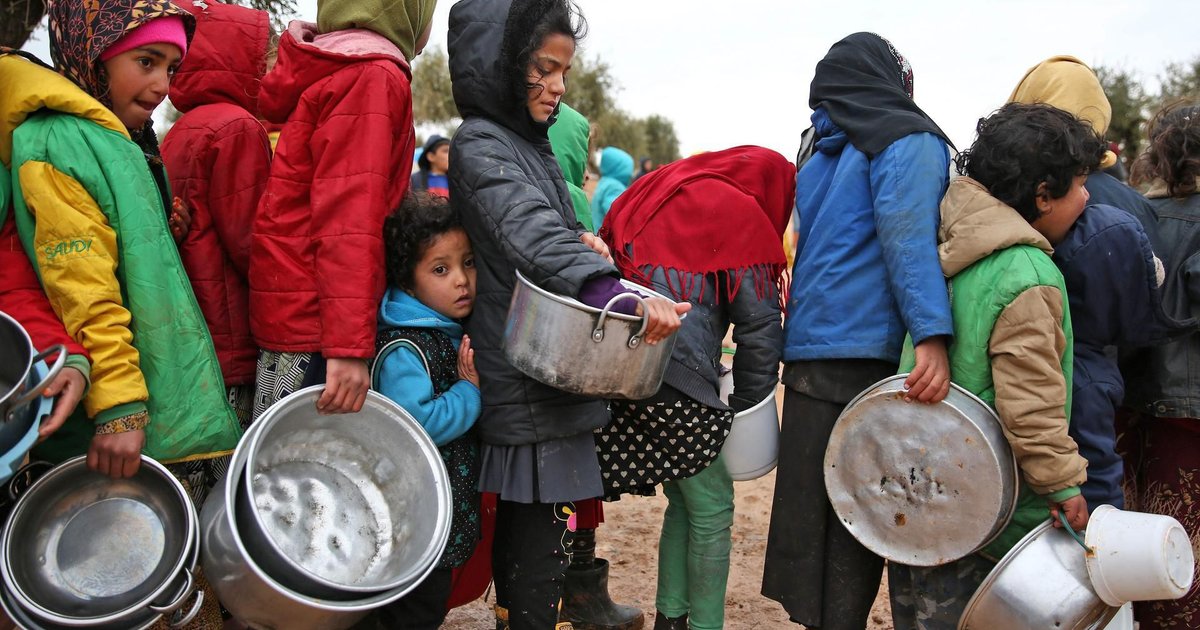
Recent statistics reveal that 80% of Syrians are experiencing food insecurity, highlighting the tragic situation in the country. While humanitarian assistance keeps millions of Syrians alive, it is insufficient to break the cycle of hunger, poverty, and lack of essential services.
The humanitarian crises in Syria are escalating, with the population suffering from the repercussions of a conflict that has persisted for over a decade. Reports indicate that many families are facing severe food shortages, forcing them to make difficult choices regarding their daily nutrition.
Details of the Situation
Humanitarian organizations have reported a significant deterioration in the food situation in Syria, estimating that approximately 12.4 million people require urgent food assistance. This figure reflects a 20% increase compared to last year, indicating a worsening crisis.
This suffering is spread across various regions, with rural areas particularly affected by acute food resource shortages. Additionally, the blockade imposed on certain areas exacerbates the situation, making access to humanitarian aid extremely challenging.
Background & Context
Since the onset of the conflict in 2011, Syria has witnessed a substantial decline in all aspects of life, including food security. The country previously relied on agriculture as a primary food source, but the conflict has led to the destruction of many farms and agricultural infrastructure.
Humanitarian aid provided by international organizations such as the World Food Programme is essential, yet it does not cover all needs. Under the current circumstances, Syrians face significant challenges in obtaining adequate food, threatening their future.
Impact & Consequences
The hunger crisis in Syria is affecting public health, with many children and pregnant women suffering from malnutrition. This situation could lead to the spread of diseases and increased mortality rates, placing additional pressure on an already deteriorating healthcare system.
Moreover, food insecurity may exacerbate social and economic conditions, forcing people to make tough decisions that could lead to further displacement and migration. These dynamics could impact the stability of the entire region.
Regional Significance
The hunger crisis in Syria is a concern for the entire Arab region, as its repercussions may extend to neighboring countries. The influx of Syrian refugees into neighboring nations could increase pressure on resources and services in those countries.
Furthermore, the humanitarian situation in Syria underscores the urgent need for regional and international cooperation to address humanitarian crises. It is crucial that efforts are combined to provide support and assistance to Syrians suffering from these harsh conditions.
In conclusion, the food situation in Syria remains a pressing issue that requires ongoing international attention. A comprehensive response is necessary to tackle the challenges faced by the Syrian people, ensuring they have access to adequate food and the ability to live with dignity.